HomeFeatures
What does the future hold for RPGs?There will be incremental change, but machine learning could be a revolution
There will be incremental change, but machine learning could be a revolution
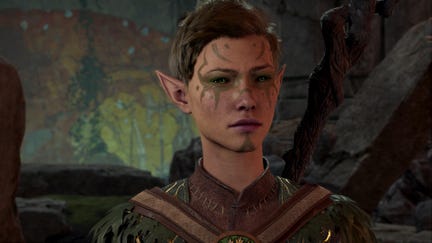
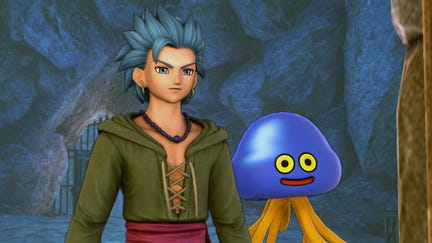
A question that crosses my mind from time to time is why there aren’t more horror RPGs. Certainly,RPGsare more than capable of generating psychological terrors, and horror games are as popular as they’ve ever been. But outside of a handful of classics like Sweet Home,System Shock 2, andVampire: The Masquerade - Bloodlines, it remains a fairly under-developed area within the genre.
I posed this question to veteran developer Brian Mitsoda, who has a long history of working on unique RPGs likeAlpha Protocol, havingmost recently been the narrative designer for the seemingly ill-fated Vampire: The Masquerade - Bloodlines 2. Mitsoda replied. “When it comes to RPGs, [executives] are going to look at what is the most popular genre for RPGs. And what is the most popular genre for RPGs? It’s fantasy. […] If your RPG is just focused on horror, it’s probably going to turn off a lot of RPG fans. They’re going to go back to something that’s more comfortable.”
Disco Elysium Is A Dream Detective Game | Disco Elysium ImpressionsWatch on YouTube
Disco Elysium Is A Dream Detective Game | Disco Elysium Impressions

His comment reveals the potential pitfall facing RPGs going forward: it’s a wonderful and highly adaptable genre, but also fundamentally conservative. We’ve had RPGs set in space, in spy thrillers, and in rural Japan, but most major publishers would probably still prefer to make some variant on The Lord of the Rings (or in more recent times, The Witcher). Swords, shields, elves, and dragons are all part of the role-playing genre’s DNA, and even when it ventures into some other realm, it usually has some version of Space Elves or Supernatural Dragons.
This begs the question of what the future holds for this venerable game category, which has done so much to drive gaming forward while at the same time clinging to tradition. Now that other games have adopted many of the role-playing genre’s core features, are there new horizons for RPG developers to seek? It’s a question that’s been on my mind a lot over the past year. In trying to envision what lies ahead in the 2020s and beyond, the thought that keeps popping into my head is, “Pretty much what we have now, but bigger.”
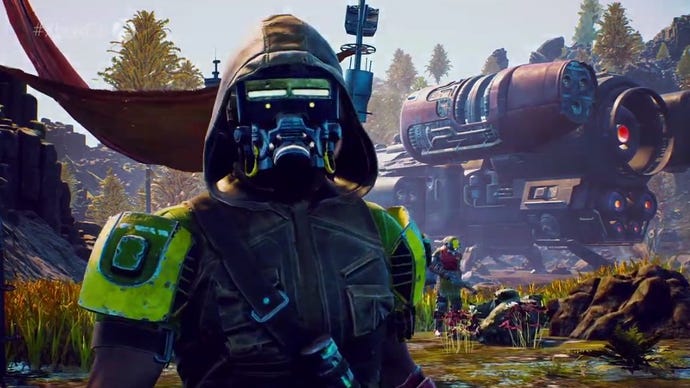
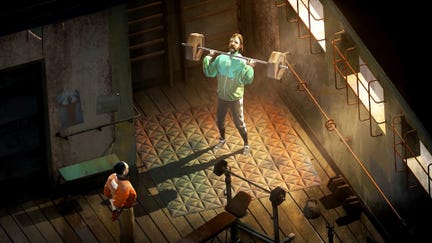
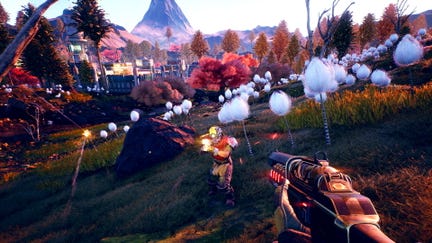
“Both games do what they do very well, but Disco Elysium’s existence makes The Outer Worlds look boring to some. The Outer Worlds is Logan Marshall-Green to Disco Elysium’s Tom Hardy; the latter is doing the same thing as the former, but with such energy you can’t tear your eyes off it,” Williams wrote.
In many ways Disco Elysium is a direct descendant of Ultima IV, an RPG that was born of designer Richard Garriott’s boredom with traditional dungeon crawlers. Ultima IV famously sent its hero on a quest to master eight virtues, effectively making it a game about self-improvement. The result was perhaps the most significant RPG of the 1980s. Its unique approach still resonates even today, with elements like its clever Tarot system — in which the player is constructed through a series of hypothetical scenarios — being recreated in various ways down the ages.
As late as the mid-90s,Computer Gaming World columnist and old-school RPG enthusiast Scorpia was convinced that Ultima IV still hadn’t been topped, observing that it was “only the beginning of a long journey of the soul, a journey that depended on building character.”
“Now, you certainly had plenty of fighting in Ultima IV. It was how you proved your Valor – but Valor was only one of eight virtues, and developing those other seven did not depend upon killing things. They depended on how you reacted to and treated other people. This, game fans, is what role-playing is all about,” she wrote.
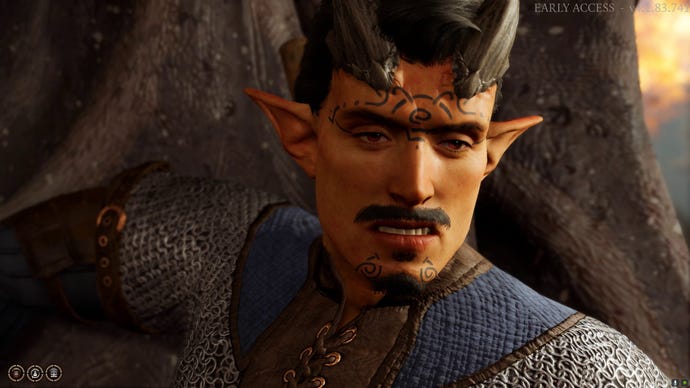
I’m certainly not going to pretend that I’m not a mark for these sorts of experiences. I just recently wrapped a 50-hour playthrough of Bravely Default 2, a console RPG that exists solely to rehash Final Fantasy V. It’s incredibly fun. The Job System is strong as ever. It’s basically a 30-year-old RPG with better graphics and some quality-of-life improvements.
As I argued in my first column for RPS, RPGs are basically the quintessential gaming experience. They can trace their heritage back to Dungeons & Dragons, and to tabletop wargames before that. They have been around at every stage of video gaming’s existence. If RPG developers continually reuse old concepts like the Job System, it’s because those concepts work so well in the first place. It’s telling that big-budget action games are still dredging up concepts that RPGs perfected back in the 1980s and calling them new.
But where do RPGs go from here? What will the genre look like in the next decade? They may not look that different at all. After all, the RPGs being released in 2021 aren’t that far removed from the ones released in 2011. If Starfield somehow makes it out this year, it’s apt to resemble Skyrim, but in space. Innovation will still happen in smaller strokes — there’s a lot that can still be done with co-op play, for instance — but otherwise improvement will be largely incremental.
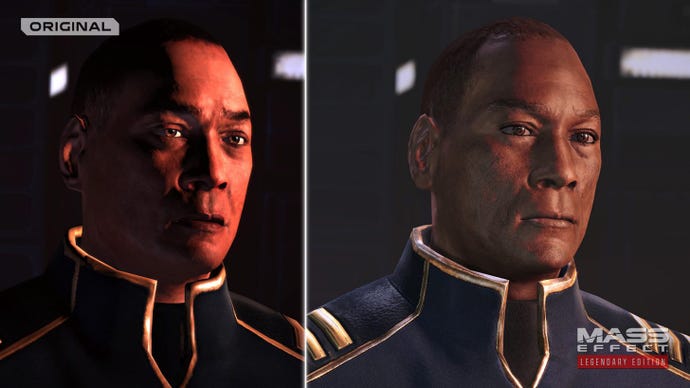
This is only the beginning. EA has been experimenting with machine learning and other advanced techniques since at least 2017, and plans to implement them in next-gen game development.EA CEO Andrew Wilson told Protocol, “We’re only at the beginning of the groundbreaking experiences and immersive fun that we’re going to be able to create for players on the new consoles using more A.I., machine learning, adding social layers to make connection and communication seamless and more. Where we’re going will be truly transformative.”
Going forward, A.I. is likely to become an indispensable tool for testing games and removing bugs. It could also supercharge procedurally generated worlds, pushing them far beyond anything we’ve seen in No Man’s Sky. With machine learning algorithms aiding the creation of assets, testing, and other labor intensive development, independent game developers may be able to create open world RPGs on par with today’s blockbuster releases.
Equally interesting, but much further off in the future, is the prospect of A.I. learning and reacting based on how we interact with the game world. The Elder Scrolls helped popularize the notion of independent NPCs with its Radiant Quests, but what if they actually learned from your actions in the game world, dynamically generating multi-part sidequests in the process? What if an A.I. Dungeon Master could react to your decisions and build a story on the fly, creating what amounts to a live action role-playing session in a digital fantasy world?
Role-playing video games may have gotten their start as an outgrowth of tabletop wargaming, but from Ultima IV to Skyrim, the overarching dream of multiple generations of developers has always been to create a fully interactive world. Not just an interactive theme park like in Grand Theft Auto, but aworld. We’ve gotten closer over the years, but the techniques used to design many of our favorite RPGs are fundamentally very similar to what they were 25 years ago. Real innovation may well entail an entirely different approach to how we make games, starting with how we use A.I.
In the short term, most of the best ideas are apt to start in the indie space, where solo developers working on platforms like Itch.io are constantly tinkering with new ideas, the best of which filter up to blockbuster releases. It takes a game like Disco Elysium to challenge our preconceived notions of the genre, and of the medium in general. So while the future of RPGs may indeed be “bigger and more,” real innovation may lie in something closer to what designerWarren Spector once described as the “One Block Role-Playing Game”— a game that seeks to perfectly simulate one city block. Ultima IV and Disco Elysium started us on that path, and advances in A.I. may well get us the rest of the way there. Until then, I’m comforted knowing that there are new and rich role-playing experiences out there waiting to be discovered, and that one of gaming’s oldest and most traditional genres still has a big role to play in its future.
