HomeFeatures
This chaotic digital zine showcases small indie games that deserve a spotlightThe beginning is nigh
The beginning is nigh
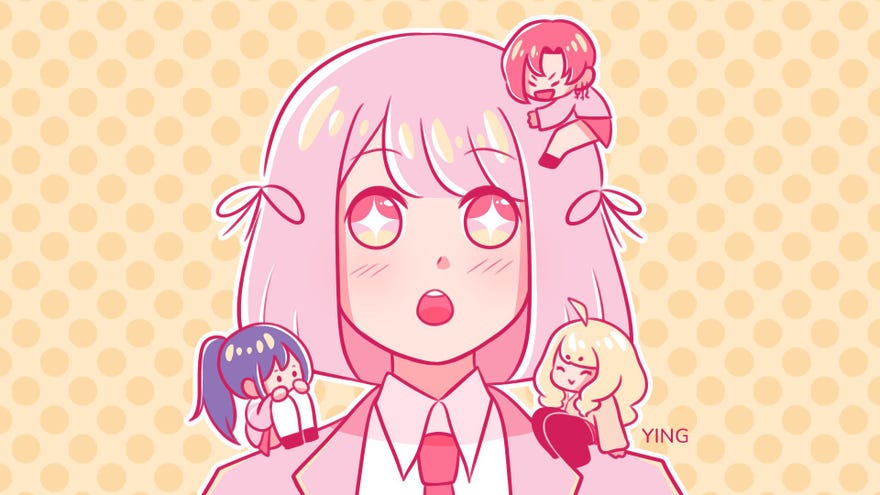
If you haven’t heard, we’re in the middle of an indiepocalypse. It’s probably not the kind you’re thinking of; it doesn’t spell doom for the independent games scene. This one is a monthly compilation of games all in one conveniently packaged digital zine, from a variety of diverse creators.ThatIndiepocalypse.
Video Game Music Quiz - Can You Guess The Adventure Game From The Tune?Watch on YouTube
Video Game Music Quiz - Can You Guess The Adventure Game From The Tune?

Making a game is incredibly hard - so hard that even releasing it, whether or not it does well, is something of a success. But when you’re an indie developer who spent hundreds of hours on a game, only for no one to buy it because it’s too short or weird, then it might not exactly feel that way. Baillie has felt this frustration. At one point they made short games they thought were good, but understood for the games to do well commercially they needed to be hours longer. It was frustrating that there wasn’t a way for shorter games to get the spotlight, and Baillie thought it would be great if someone could fund and support one. And then they thought, “Well, what if I just did it? And then I just started doing it.”
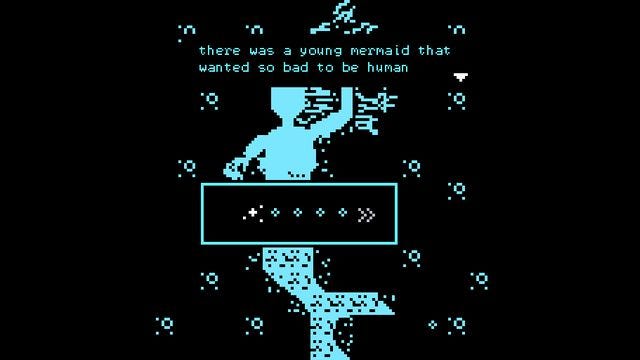
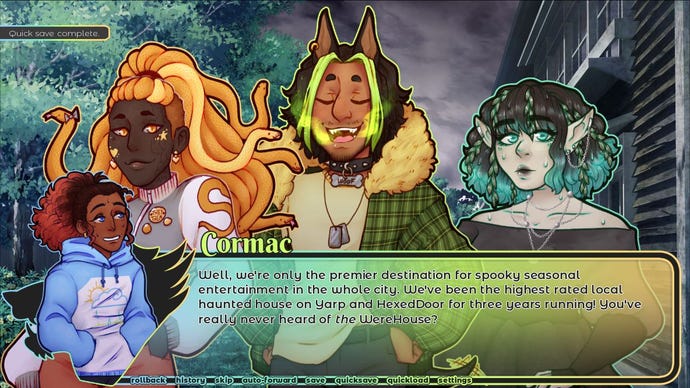
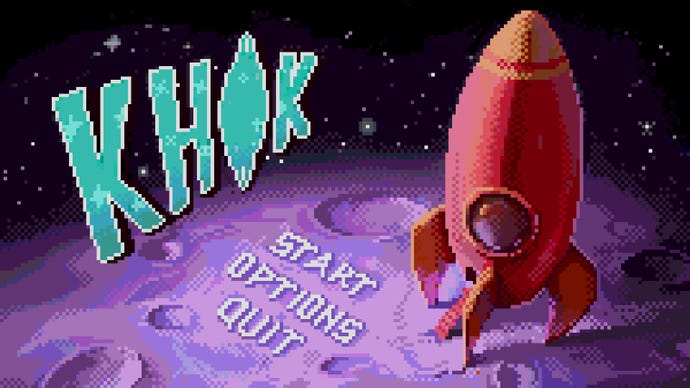
Every month’s issue has a unique cover that the artist can go wild with (“I just say ‘write Indiepocalypse on the cover, then literally do whatever else you want.’ I don’t really care.”). There are no rules whatsoever about what the games have to be like, either. “I want to be like chaos in a way,” says Baillie. “That whenever you pick up an issue of Indiepocalypse you don’t know what you’re going to get.”
Indiepocalypse wasn’t just born from wanting a home for off-kilter games, but also from a frustration with the industry at large, including games festivals. Festivals often require you to pay a fee for submitting your game, a standard that confused people early on with Indiepocalypse. “The first couple issues I did have people email me saying ‘how do I pay you to be involved?’ and I was like ‘what, no, I pay you, that’s not how it works.’” says Baillie.
Paying people for their work is something that’s incredibly important to Baillie, even if they can’t pay much. Baillie is open about the fees and includes the details in the zine itself: $20 upon acceptance, then 5% of all sales before the issue breaks even, and 8% thereafter. The reason Baillie is adamant about paying people is simple. “You need to normalise paying people for smaller games,” they say.
Earlier this year, solo developer Emika Games announced they would beleaving the games industry “indefinitely”. This was because players took advantage of Steam’s refund policy, and refunded Emika Games’Summer Of ‘58because it was under two hours long. There was nothing Emika Games could do about it, and this is the exact thing Baillie is talking about.
‘Gamers’ as a whole can fixate on the idea that the cost of entry to a game should correlate to hours of playtime. This leaves the most indie of indie devs able to only just about support each other. “[It’s] this idea of indie indie dev is just trading the same dollar back and forth,” says Baillie. “And I like to think that now we’re trading $20 to $50 back and forth, because of Indiepocalypse, but it’s still something you know.” It is still something. Even if the $20 dollars is constantly trading hands, for a little while it can sustain someone, and strengthens the idea that small games are worth paying for.
Ensuring that those dollars do get passed around isn’t always an easy task, though. Baillie is the sole organiser of the zine, meaning all of the compiling is left to them. At any moment in time, they’re working on three separate issues: commissioning games for the issue that’s two months away, paying people and compiling the PDFs for the next zine, and promoting the most recently released one.
“Now that other events are opening up, I think that’s sort of how I can better connect with people,” they tell me. Part of the inspiration for Indiepocalypse was comics anthologies. Anthologies are a lot more common in comics than they are in games, and something you’ll see at conventions very frequently, along with small, homemade comics that have just been printed at home. “I never really grew up in an area that had zine fairs or that sort of thing…" Ballie explains. “The main inspiration for making a zine was actually seeing self-published comics at the Toronto Comics and Arts Festival (TCAF) and Massachusetts Independent Comic Expo (MICE).”
The organisers of TCAF have also run an event called Zineland Terrace in the past, a zine fair first introduced in 2018, with no limits placed on the idea of what a zine could be. Even outside of the zine fair, just looking at all the posters for TCAFs past and how varied they are, there’s an easy comparison to make with the covers of Indiepocalypse. There’s a strong sense of DIY at comics festivals, something that Baillie wants to emulate with Indiepocalypse.
Indiepocalypse is many things. It’s a curation of ideas from people from all walks of life. It’s a presentation of comics and writing and art. It’s chaos. But really, Baillie is happy for it to be the thing that it is most. “I would always want to include this home for unmarketable nobodies,” they say. “And if it became super popular, it’s not that I’d start including more popular developers. That just means I have a larger platform to support nobodies.”
