HomeFeatures
The Flare Path talks to Ryan Hewer“Bad wears many hats in Rogue State: Revolution”
“Bad wears many hats in Rogue State: Revolution”
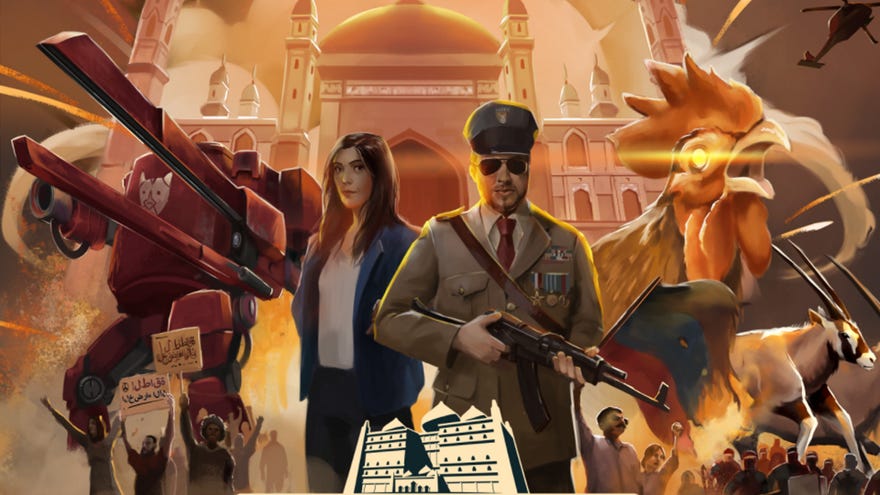
Generally when a Flare Path interviewee says they dabbled in diplomacy in their younger days they are talking about their formative games. However, in Ryan Hewer’s case the lower case ’d' isn’t a typo. My interlocutor today is a man whose CV bestrides two parallel worlds. In one the dire consequences of a clumsy piece of international brinkmanship can be fixed with a single dab of the Load button. In the other geopolitical miscalculations blight real lives and end them.
Ryan is currently putting the finishing touches toRogue State: Revolution, a souk-lively Middle Eastern nation-building sim happy to tackle issues most games wouldn’t touch with a ten foot barge-pole. As I discovered during an absorbing morning with the eighteen-turn/month press demo, there are few easy answers, few win-win situations, in post-revolution democratic Basenji.
Watch on YouTube
Watch on YouTube

RPS: Before we talk about Rogue State: Revolution, would you describe your unusual route into game development?
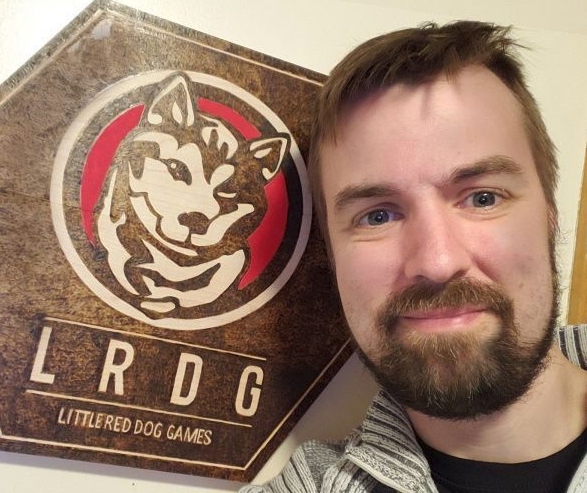
Ryan:Like a lot of my favorite people, I didn’t start in game development. I worked in nuclear safeguards for Canada’s nuclear regulatory agency for a few years, then later served as a policy specialist in nuclear counterproliferation. I dabbled in diplomacy, and was deputy director for Canada’s bilateral relationships in the Gulf region for a year or so, before leaving the public service, emigrating to the United States and starting a new career as a teacher while simultaneously building a small indie studio withLittle Red Dog Games. I’ve since gone from teaching American history to middle-schoolers to teaching game design and development to college students. LRDG has changed a fair bit too as we’re now able to take on larger, more ambitious products than ever before.
RPS: When you hear RSR described as a “Civ-like” how do you feel?
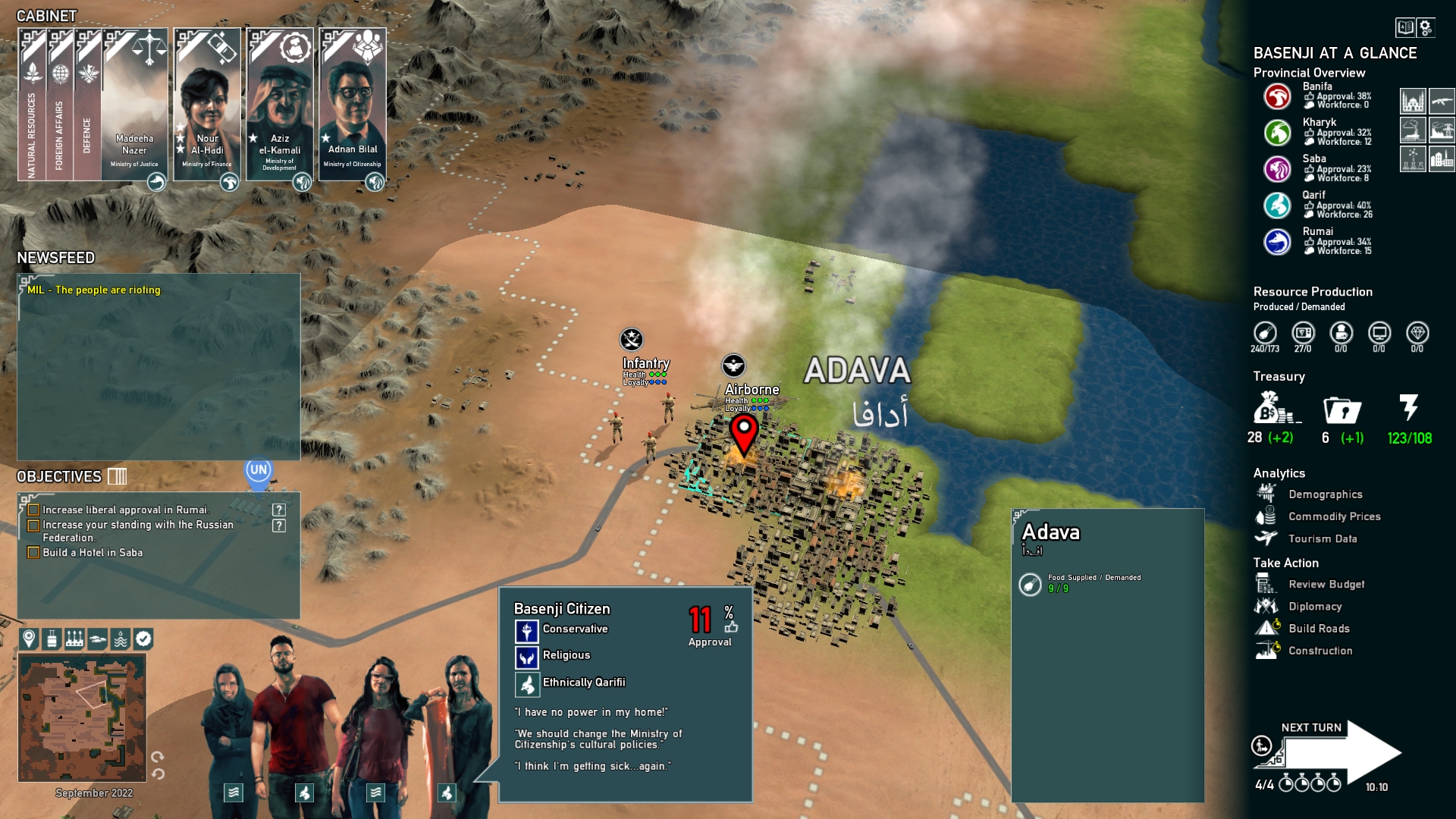
Ryan:We take it as a compliment. It is certainly a good pedigree to be associated with, though I don’t think that’s quite what players should be expecting. There are a great many things to construct, and policies to adopt, and units to build to defend your territory, but the focus of the game is and always has been on keeping yourpolitical cabinethappy lest they start obstructing your government rather than supporting it.

The economy of RSR behaves fairly differently from what you would expect from a Civ-like game as well, where the majority of your income will come from the consumption of your state-run subsidies rather than a tax base.
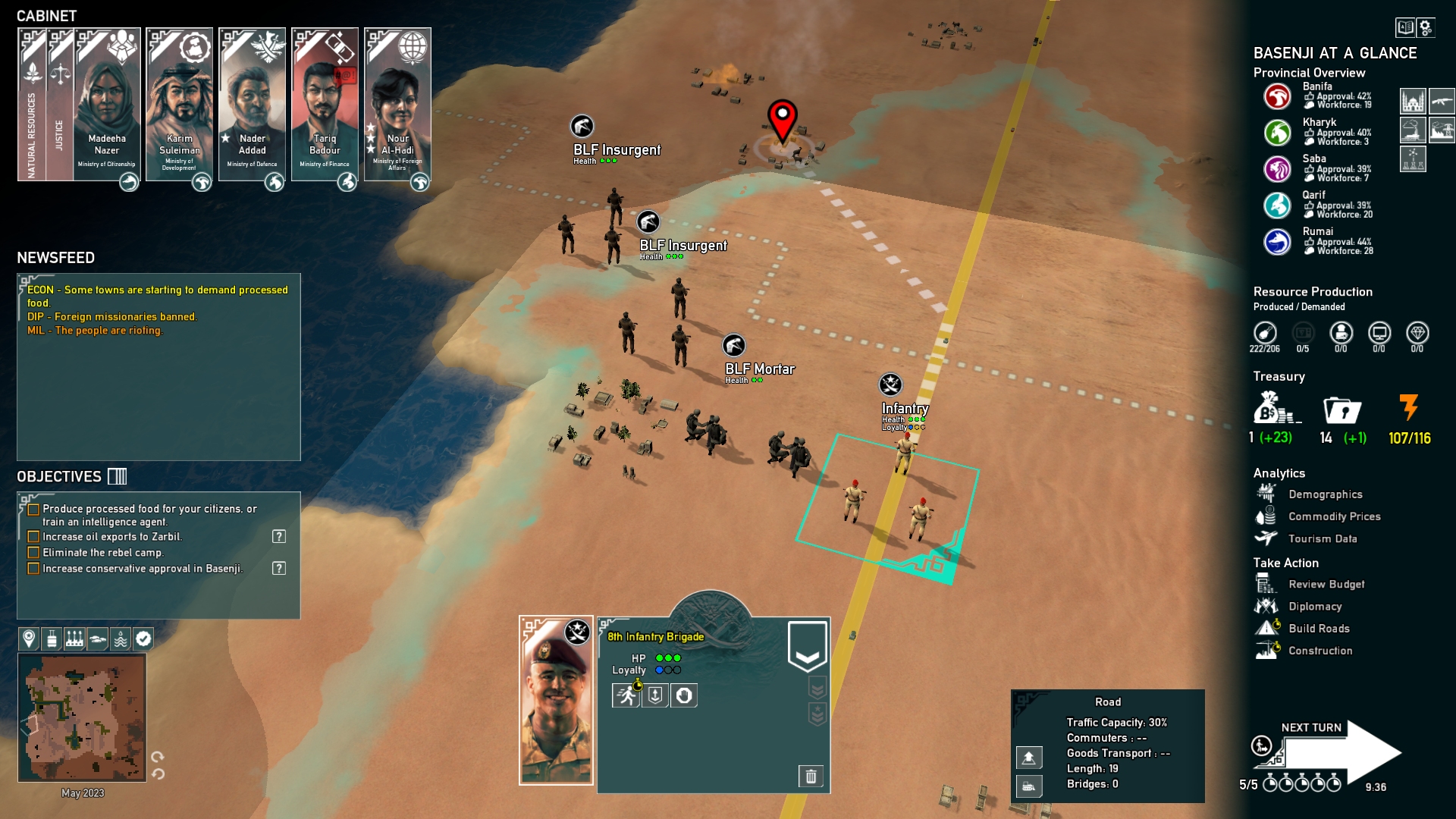
RPS: Just how bad can things get during games? Are Syria-style multi-faction civil wars possible?
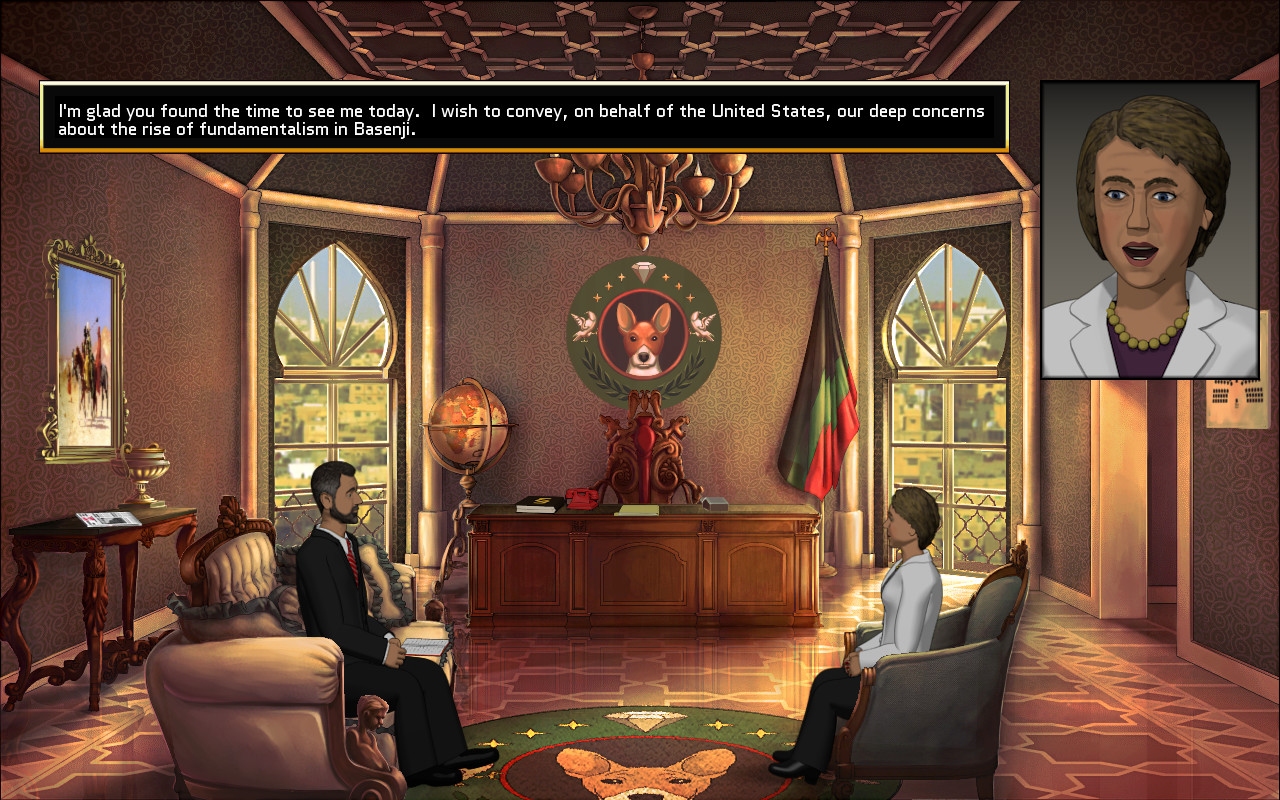
RPS: My last interviewee,Dan Dimitrescu of KillHouse Games, recommended that devs shouldn’t tackle sequels straight away. Are you glad you didn’t embark on RSR the momentRogue State* shipped?
- pictured above
Ryan:So glad! We always knew we wanted to revisit Basenji, but needed time to pivot toa new engine, build a stronger team and make a lot of the kinds of mistakes that are expected in indie gamedev before it could happen. If we rushed into it, the product would be more of an update than a meaningfully real sequel. We had to grow up and make different kinds of products before going back to our roots and finding the fun in RS. Our lead programmer, Denis Comtesse, and I have been working as a team for eight years now, which probably outlasts a lot of marriages out there. That’s eight years of experience playing to each other’s strengths, figuring out how to push for a “yes”, accept a “no”, and figure out how to make this product live up to its potential. This is our first game that we can point to and say, “This is exactly how we wanted it to be.” and we’re incredibly grateful toour publisherfor believing in us as much as the game itself.

RPS: From a coding perspective, which aspects of the game have proved the most challenging?
Ryan:There were a few tough ones. Taming the procedural map generation comes to mind. Writing some code that generates a random map is easy, generating provinces, towns, road connections, that’s all well and good. Making sure that the map is never unplayable, essential parts can never be disconnected, that nothing breaks the gameplay and all potential edge-cases are taken into account, while still keeping things random enough? That took an insane amount of tweaking and debugging. Our associate programmer, Nick Colucci, has built unit-movement algorithms that appear simple but do a lot of very complex things under the surface that give us all a newfound respect for other games in the genre.

RPS: How would you define a “rogue state”?
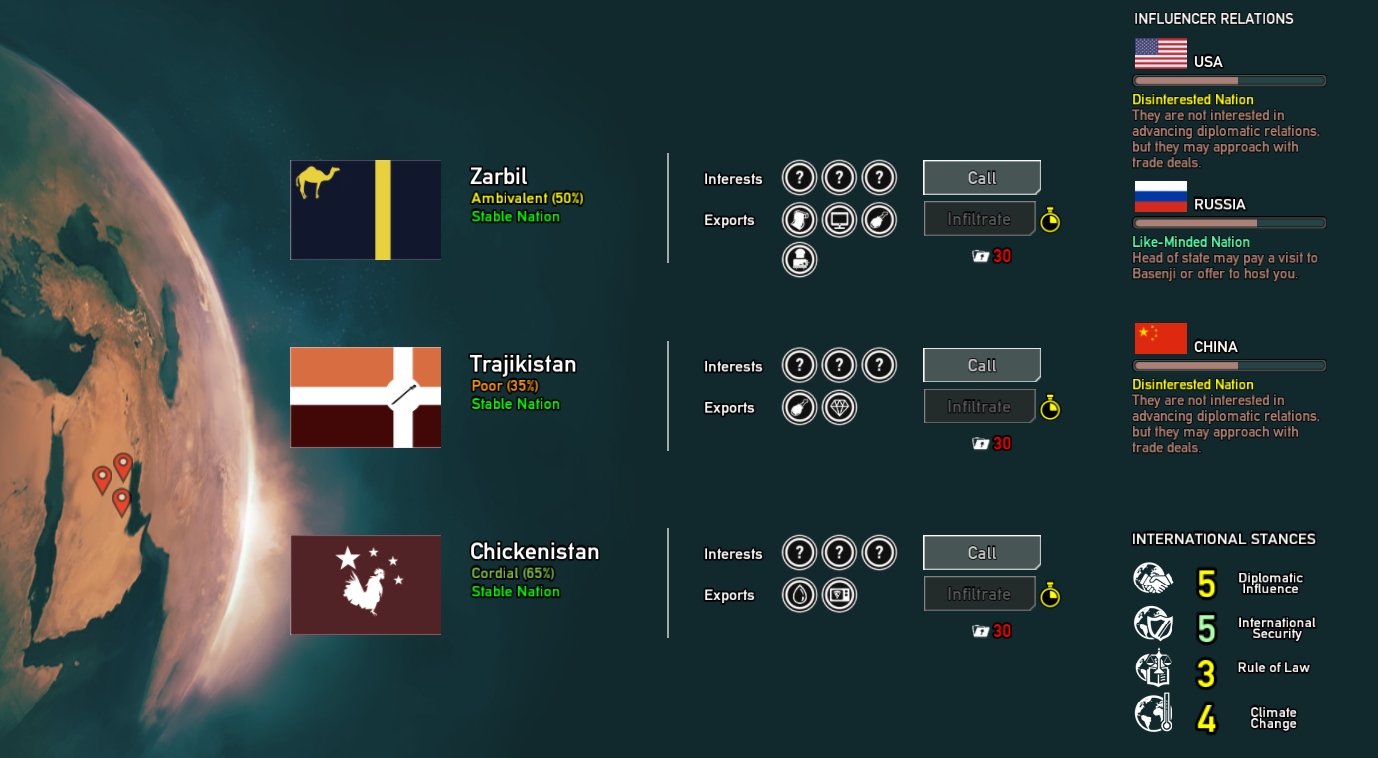
RPS: In RSR is it possible to develop or acquire nuclear weapons while maintaining cordial relations with superpowers like the USA?
- Keep going and hope to secure a weapon of mass destruction before facing a focused strike on your clandestine facilities; or
There’s no way the superpowers will tolerate your violation of the NPT, but if you’re very careful, put the right people in charge, and follow the right policy tracks, they may not discover it until it is too late and then they will dare not do anything to stop you.

RPS: Is there a danger in setting a game in a fictional state that you end up homogenizing or caricaturing Middle Eastern countries?

We’ve received a lot of support from people in the region who approve of how things are characterized (rather than caricatured) and brought on a cultural consultant to help us ensure that we are subverting the expected tropes without losing our sense of humor. I hope we’ve struck the right balance.

RPS: If you could force RSR players to read one book about the game’s subject matter prior to playing, which book would it be?

RPS: You obviously follow Middle Eastern affairs pretty closely. Are there current stories that you feel should be getting more attention in the Western press?
Ryan:While there are issues present in some nations in the region that I feel stand out, I’m going to resist calling attention to those and instead note that the most important issues in the region are the issues that also affect the whole world: How do we stop a global pandemic? How do we prepare for the next one? How do we address the effects of global climate change? How do we address the pressures that come with mass-migration? What hope can we leave for the new generation? The best stories that we should be focusing on are the stories that transcend borders.
RPS: Thank you for your time.
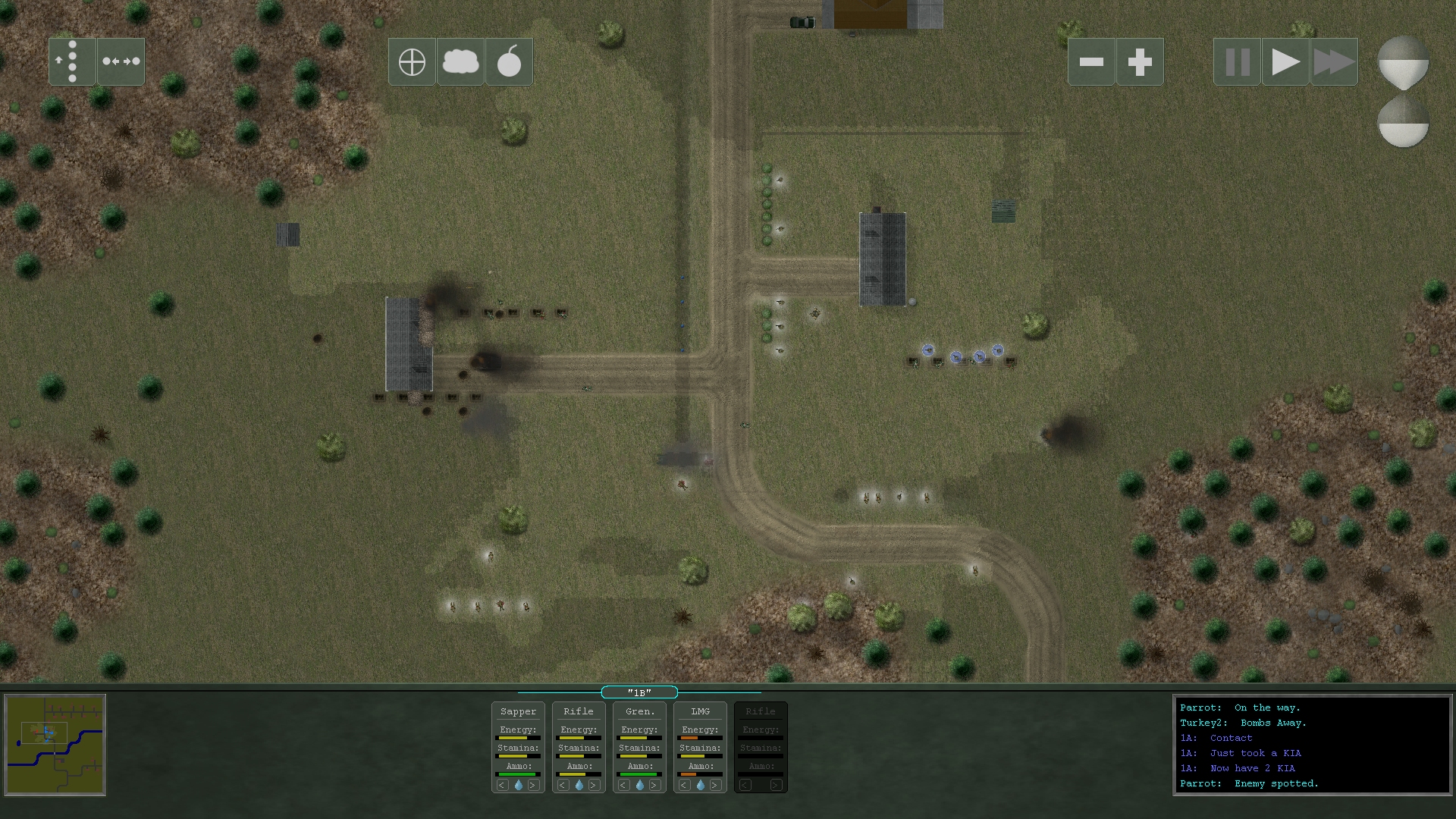
Chancing upon a perfectClose Combatsubstitutethe week after bewailing the lack of onewould make great copy, but sadlyThe Battle of Rip Creek, although not short of endearing qualities, doesn’t qualify.

Released on Wednesday, Matthew Ferri’s £10 top-down near-future RTT feels more like CC’s forerunner than its latest iteration. Inaccessible buildings, shortish view ranges, and an extremely limited order palette compromise realism that solid AI coding and plausible ballistics work hard to nurture.
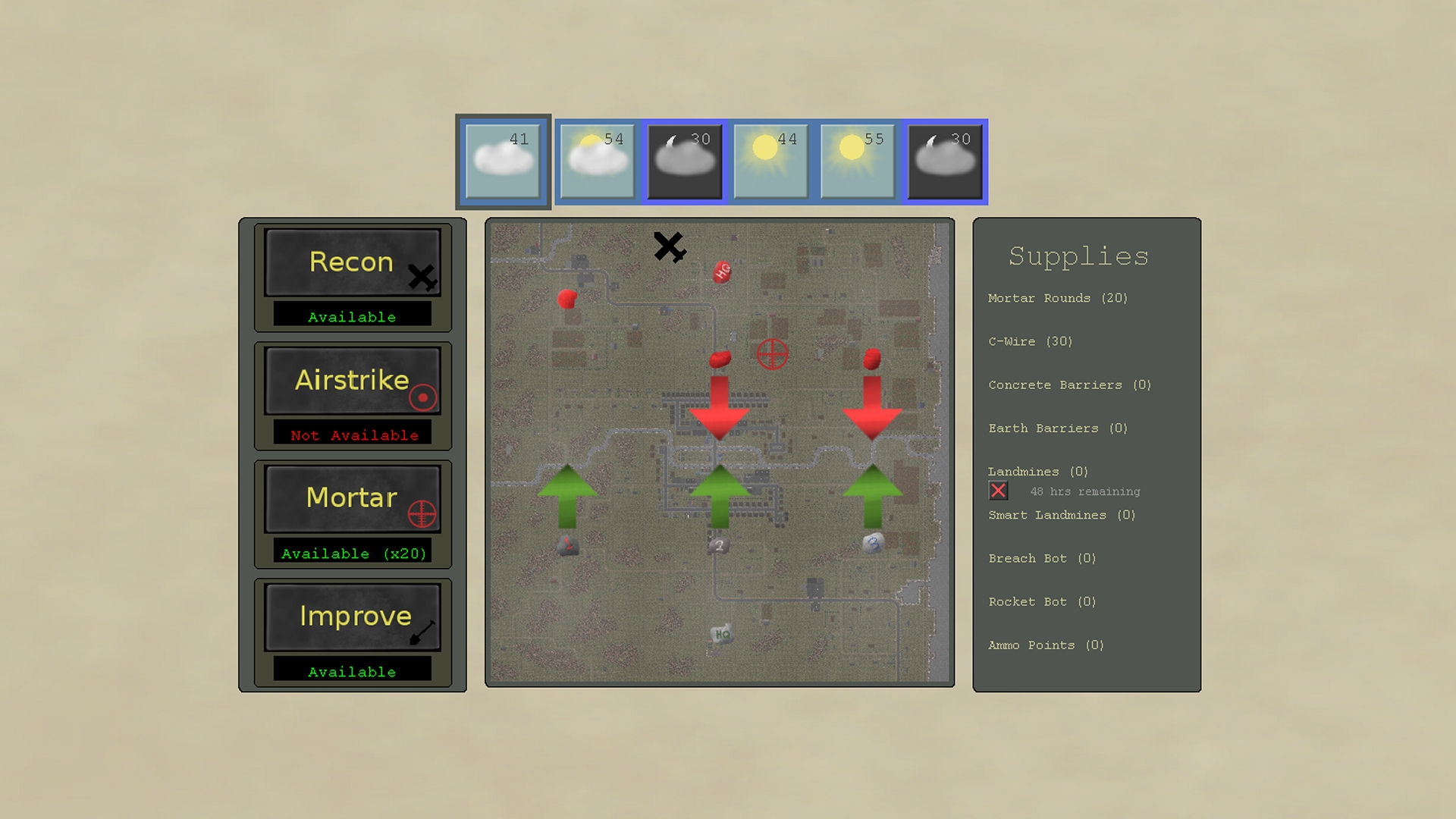
The demo showcases the game’s tense, unscripted firefights and unpredictable opponents pretty well. What it doesn’t do is give potential purchasers a taste of the natty Graviteam Tactics-style operation engine. In the full game between real-time scraps you move platoons around a strat map representing Rip Creek’s nine districts; forces can be rested and reorganised, fortifications constructed and off-map assets like artillery and recon aircraft assigned. It makes a nice change from a mission sequence.
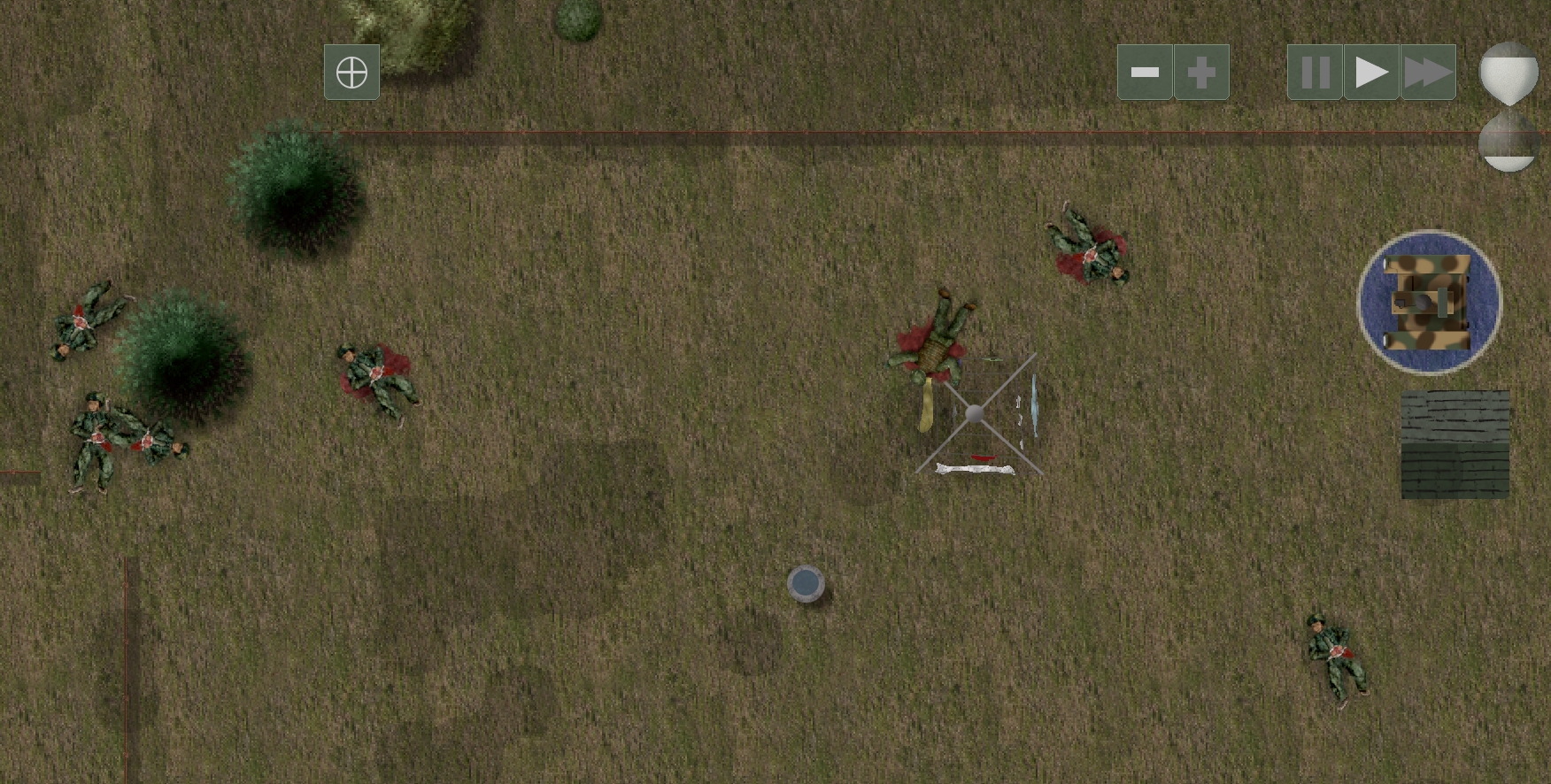
Tracked “bots” equipped with rocket launchers are the game’s apex predators. Hunting these with your own trundlers and AT teams… smartly shifting an infantry section to avoid an incoming mortar stonk… seeding a smoke screen to enable a flanking manoeuvre… at times such as these The Battle of Rip Creek scratches the Close Combat itch surprisingly vigorously. It’s when you’re struggling to arrange grunts around a house that’s essentially a rectangular boulder, or wondering how, on open ground, an enemy bot could have got so close without being spotted, that the lustre dulls somewhat.

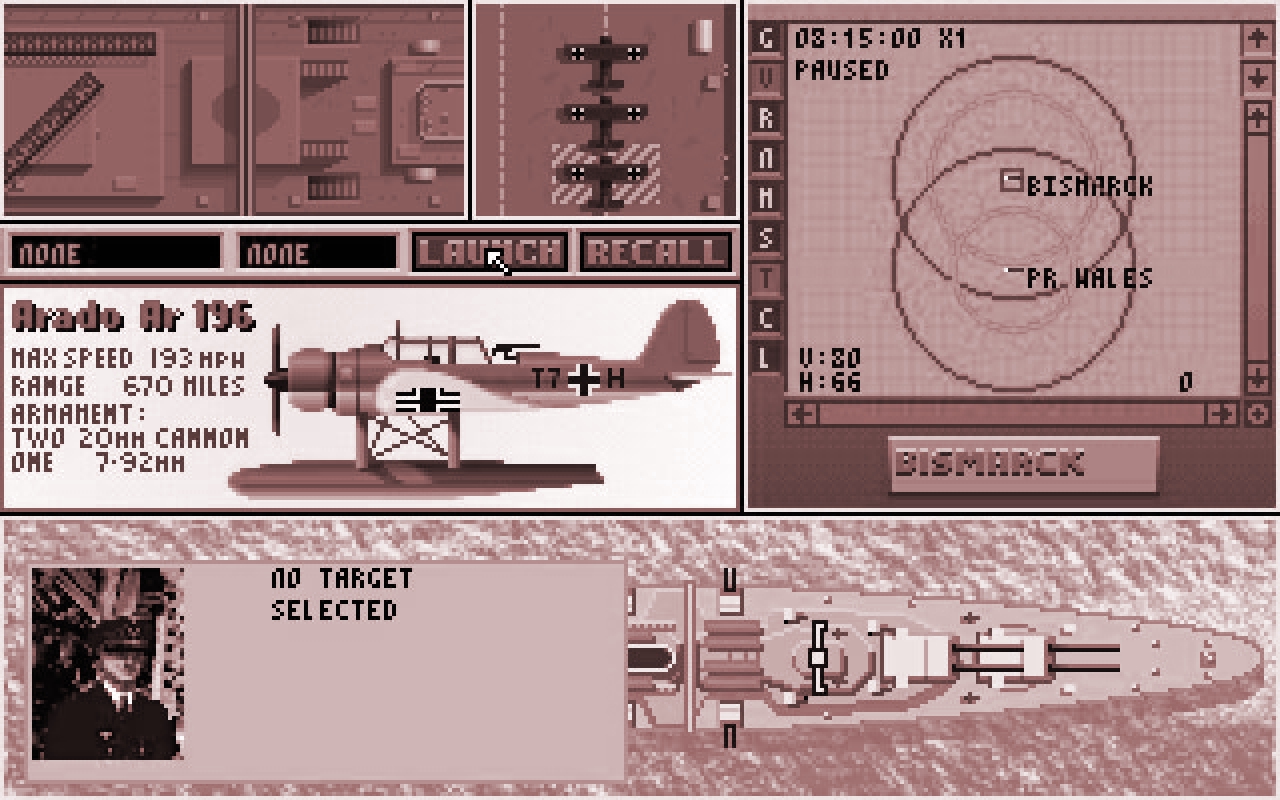
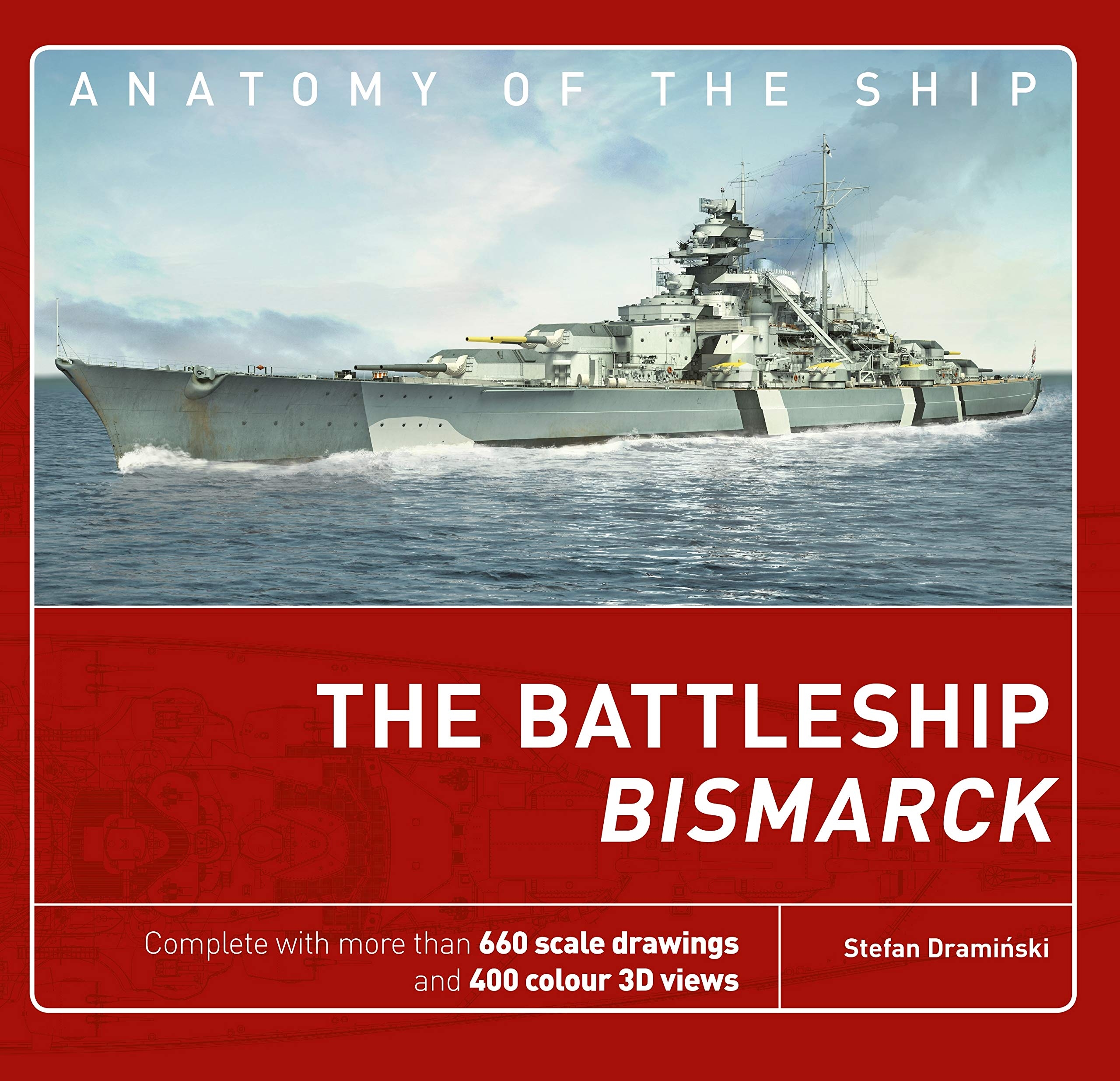
With less than a week to go to the submission deadline ofthe first Flare Path game jam, my coastwatchers in Sweden and Denmark tell me that the Baltic is crowded with Bismarcks under trial at present. Furious Lütjens and Lindemanns have been bawling at each other through megaphones. New paintwork has been scraped. Several nosy Arado Ar 196 floatplanes have returned home with flak-perforated flight surfaces.
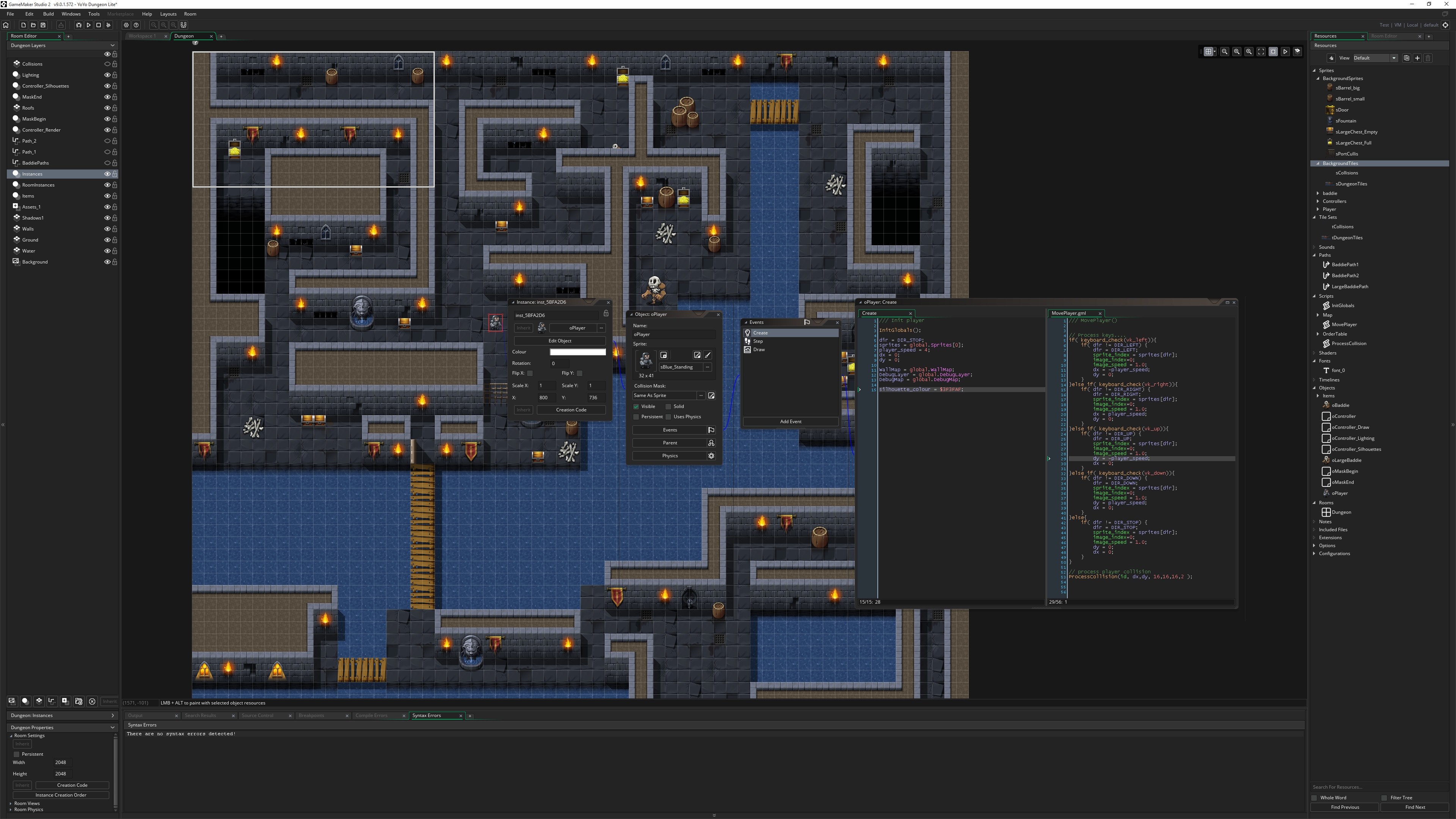
Thanks to YoYo Games' munificence, the makers of the three best board game designs can expect to find activation codes forGameMaker Studio 2in their inboxes after the results are announced. I’m speaking from personal experience when I say that GM makes crossing the Great Divide between cardboard wargame design and digital wargame design surprisingly easy.
