HomeFeatures
The 50 best strategy games to play on PCFrom tiny robot battles to grand historical warfare
From tiny robot battles to grand historical warfare
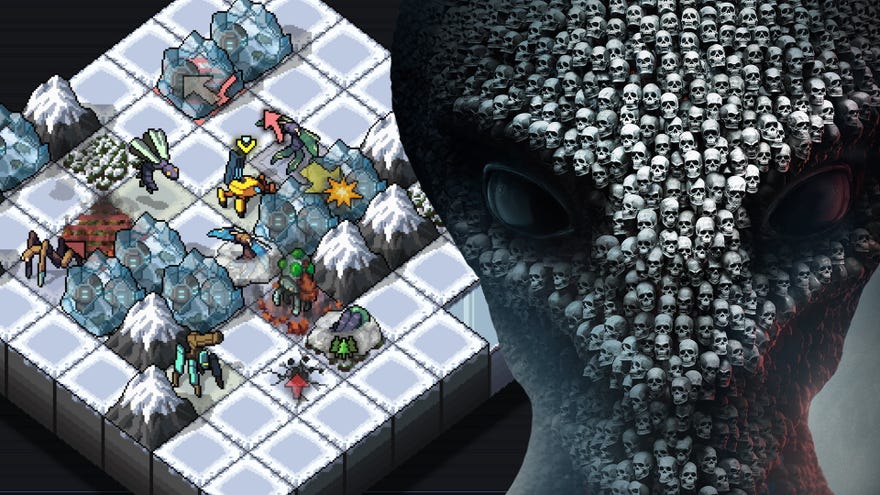
Strategy games is an enormous genre in PC gaming, with real-time, turn-based, 4X and tactics games all flying the same flag to stake their claim as the one true best strategy game. Our list of the best strategy games on PC covers the lot of them. We like to take a broad view here at RPS, and every game listed below is something we firmly believe that you could love and play today. You’ll find 30-year-old classics nestled right up against recent favourites here, so whether you’re to the genre or want to dig deep for some hidden gems, we’ve got you covered. Here are our 50 best strategy games for 2023.
Best strategy games
Top 12 Best Strategy Games to Play on PCWatch on YouTube
Top 12 Best Strategy Games to Play on PC
Finally, we’ve selected some of our top strategy highlights in the video above, too, if you prefer lists with a bit more audio visual flair. Our video ranking doesn’t match this written list exactly, all told, but they’re all games we’d recommend playing in a heartbeat.
50. Humankind
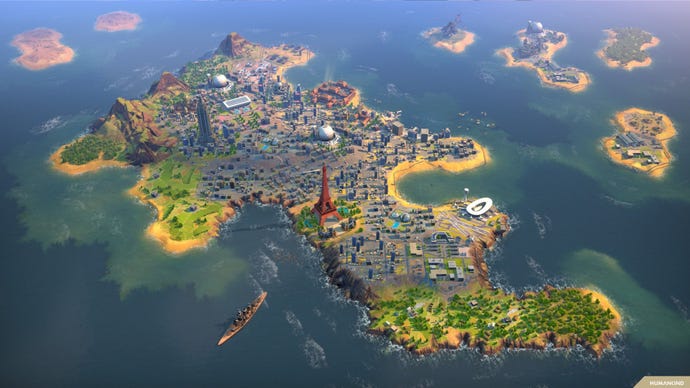
As soon asAmplitudeannounced their big historical 4X game, it was inevitable that comparisons would be drawn to the Civilization series. ButHumankindis so much more than just a riff on Sid Meier’s classic strategy franchise. Yes, there are several different technological ages to play through, but the most tantalising aspect of Humankind is how you can graft different cultures together to accumulate all manner of different perks and effects. Onscreen, that can mean having Japanese pagodas nestling right up to Mayan pyramids and Italian opera houses. In all, there are one million potential civilisation builds in Humankind, and it is absolutely thrilling.
At times, it’s almost more puzzle game than 4X, giving it a distinctly different flavour to Civilization. With so many different combinations to sift through and take into account, it can be a little overwhelming in early playthroughs, but the way you can redefine your entire game plan on the fly, pivoting money-making dynamos into diplomatic powerhouses and research giants is also Humankind’s greatest masterstroke. If you’re tired of Civ, this is a very worthy heavyweight alternative.
49. Company Of Heroes

Company Of Heroes made World War II seem like new territory. It manages to marry the humanity of Band of Brothers with the ingredients of an RTS. Even as you send fresh troops into battle, replacing a squad who just died on a fool’s errand of your own making, Company Of Heroes makes you believe that every soldier counts for something. That’s partly due to the detailed depictions that the Essence Engine make possible, but it’s also down to the careful pacing of the missions.
Has any RTS game handled both the calm and the storm as well as Company Of Heroes? Even when combat begins, there’s usually a peppering of shots toward cover before casualties occur, and Relic ensure that you have time to react as a situation develops. Even though those soldiers are just pixels on a screen, don’t be surprised if you find yourself making tactical choices that ensure their survival rather than the quickest possible route to success. The newest entry in the series,Company Of Heroes 3is also well worth a look, too, but for us, the original still just about pips it to the post. Just.
48. Dune II Legacy
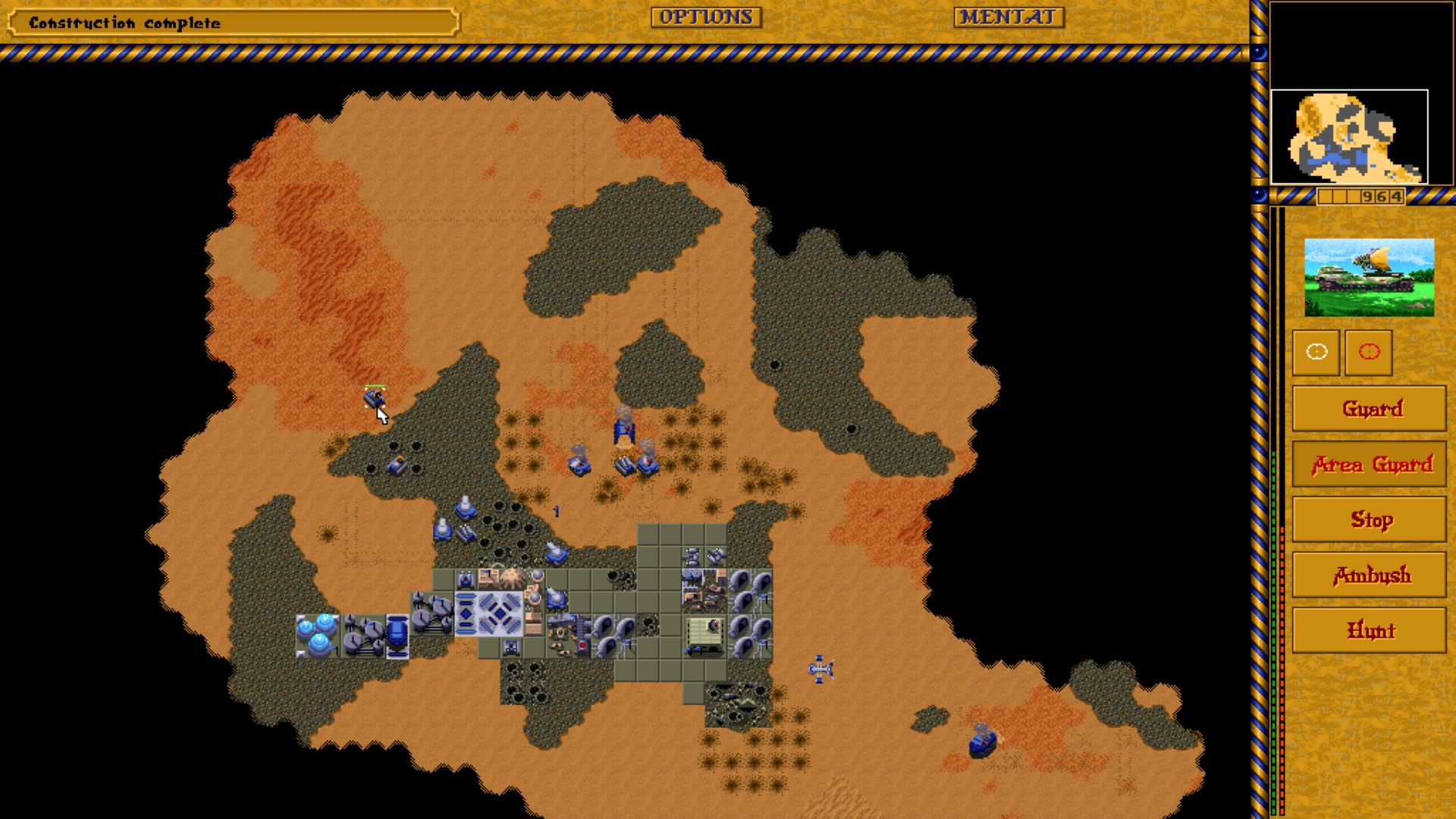
1992’s Frank Herbert-adapting Dune 2 is the great grandparent of the real-time strategy game as we know it now, but a pleasant play experience today it most certainly is not. That’s where Dune 2 Legacy comes in, an open source project that reworks Westwood Studio’s Dune 2 into a new framework, giving it a more modern interface and graphical sensibilities.
The world has, of course, moved on since Houses Atreides, Harkonen and Ordos first went to war for control of the Spice of Arrakis, but a combination of straightforwardness, excellent vehicle, creature designs and devious treats such as the now-rare likes of stealing enemy buildings lends it a timelessly lurid charm. For a more modern Dune experience,Dune: Spice Warsis currently shaping up very nicely indeed in early access.
47. DEFCON
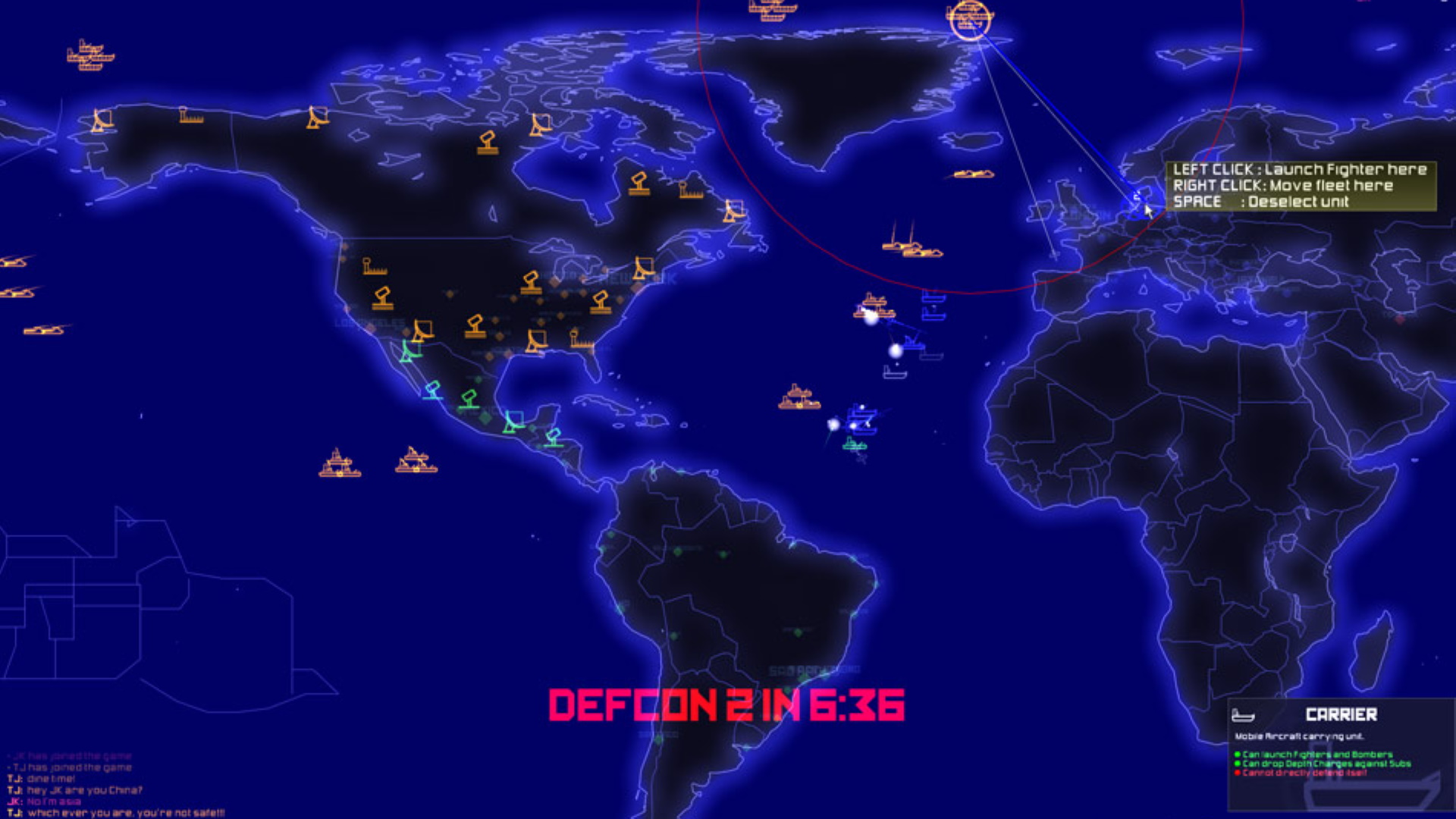
DEFCON is the strategy game most likely to make you wake up in a cold sweat. It’s an abstract simulation of thermo-nuclear war, in which the tension rises along with the DEFCON level, and frantic deals lead to bitter betrayal. It’s a game in which people are reduced to numbers (and ashes). Scores are measured in megadeaths inflicted and, in the default setting, causing a megadeath on an opponent’s territory is worth two points while losing a million citizens in your own territory only loses one point. The value of life.
The presentation is immaculately sinister and minimalist, and while DEFCON is unlikely to keep you playing through the night, you might lose sleep anyway. The closest strategy gaming comes to horror.
46. Warhammer 40K: Chaos Gate - Daemonhunters
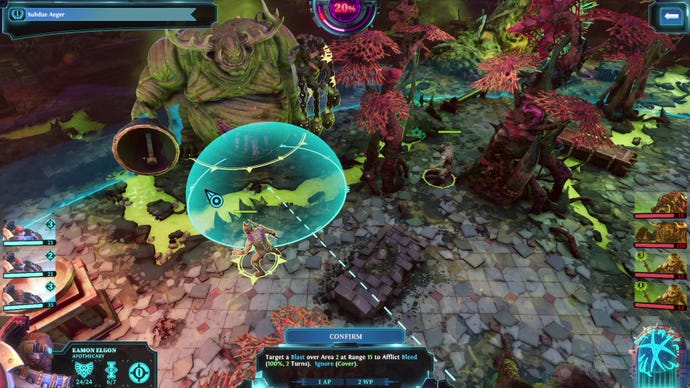
It doesn’t let up between missions, either. Away from combat, there’s also a compelling strategy layer of fixing up your damaged ship and researching further boons and bonuses, giving you plenty to think about on and off the battlefield. It’s also just received the brilliant Duty Eternal expansion, which adds a giant mech lad to your party and lots more besides. Altogether, Chaos Gate - Daemonhunters is a thrilling mix, and most importantly, pokes enough fun at its own lore to make it approachable to non-Warhammer heads as well.
45. Marvel’s Midnight Suns
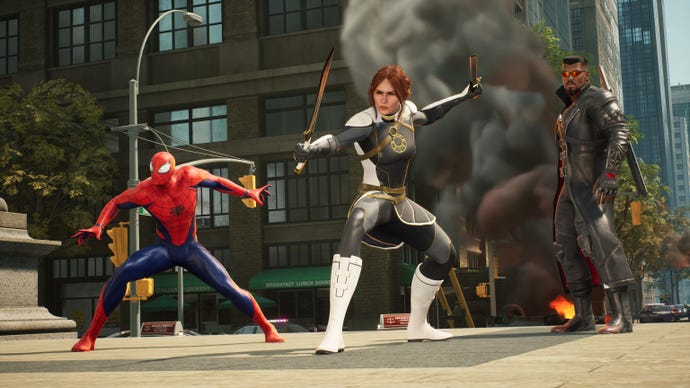
But it’s the card battles that really make Midnight Suns sing, and gradually honing your individual hero decks into the ultimate goon crushing machine satisfies all the same synapses in your brain as giving your XCOM squad the perfect loadout. Crucially, every hero has been designed to make you feel cool and powerful, with brilliantly choreographed moves and specials that amp up the smug factor to no end. It feels good biffing Hydra drones into cranes and seething hellpits, as it should do when you’re playing as a bunch of powerful superheroes. That doesn’t mean Midnight Suns is a pushover, though. Far from it, as its waves of swelling enemy ranks can attest. But that feeling of finally clearing them all out, while also dropping a crane on their head and shoving the rest into exploding barrels and live electrical boxes? It’ll make you want to pump your own fists straight into the air.
44. Total War: Shogun 2

Arguments over which of Creative Assembly’s historical battlefield sims is the best are a time-honoured tradition among strategy game obsessives, and you’ll probably find a lot of those discussions tend to conclude with 2011’sTotal War: Shogun 2. In our own discussions, we concluded that 2017’s Warhammer II and 2019’s Three Kingdoms were the bestest bestTotal War gamesyou can play today, but Shogun 2 is still one of Creative Assembly’s all-time classics.
Set during Japan’s warring states period, you are put in the samurai war flip-flops of one of the many warlords struggling for control of the islands during the 16th Century, and it getshectic. The AI is well-tuned on both the strategic map and on the tactical battlefields (not always the case in Total War), and the campaign is paced with shrewd finesse: if you throw your weight around too much, the Shogun himself will paint a target on your head, and everyone will come at you like estate agents after a plate full of money. Thanks to this built-in tipping point, progression is a matter of careful calculation and time-biding rather than a wild land grab, and political thinking is just as important as good generalship. All this, for a game that’s ostensibly about lining up troops on a battlefield and doing big stabs, feels somehow incredibly generous.
43. Northgard

Wyvern, armoured bears, shield maidens, draugr: on face of things, the viking mythology-styled Northgard is a return to the thematic outlandishness of late 90s/early-noughties real-time strategy, but it combines that joyful anything-goes quality with thoughtful, almost simulatory paths onward from build’n’bash tradition. There’s a whole food ecosystem, the regular arrival of winter turns it into asurvival gameof sorts, you can trade with monsters and your choice of which clan you control affects your play style on a level far beyond mere unit options. It’s very much abuilding gameas well as a war game, but does a stand-up of job of keeping things lean despite how many plates it spins.
The single-player campaign plays a somewhat distant second fiddle to a beautifully drawn-out multiplayer mode that makes a virtue of tension as well as conflict, but whichever way you play, Northgard is without doubt one of the best RTS games of the last few years.
42. Unity Of Command
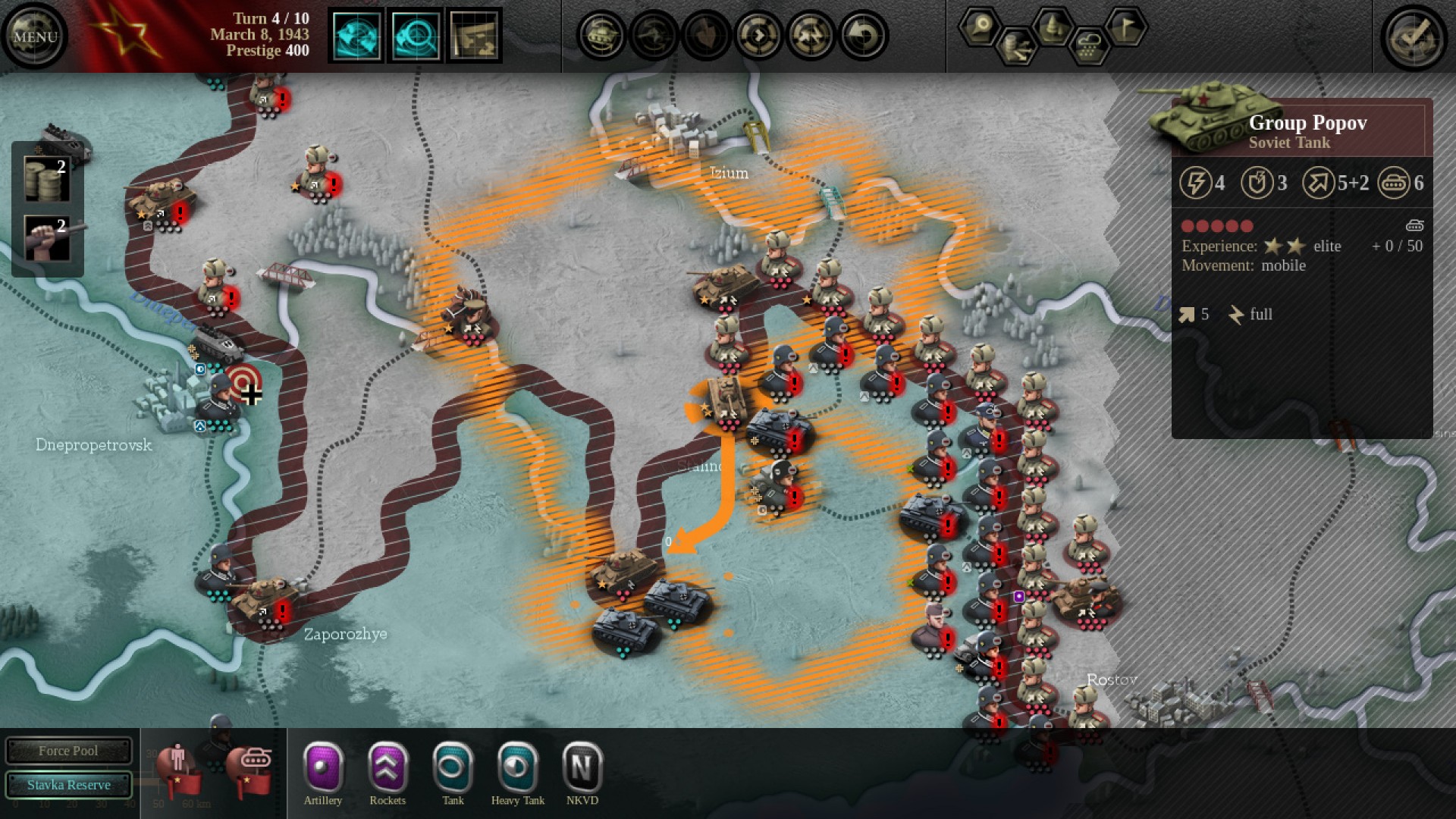
The perfect gateway game. Perhaps you’ve dabbled with a couple of 4X games and the occasional RTS, and now you want to step up to the plate and try your hand at a historical war game - Unity Of Command is precisely what you’re looking for. It models all the smart stuff, including supply lines, but doesn’t drown players in the details.
There’s plenty for experienced war gamers to enjoy as well. Each map seems tailor-made to illustrate specific tactics that were utilised during the Stalingrad Campaign, and the expansions introduce fresh approaches that fit the historical realities of their new campaigns.
41. Warhammer 40K: Dawn Of War
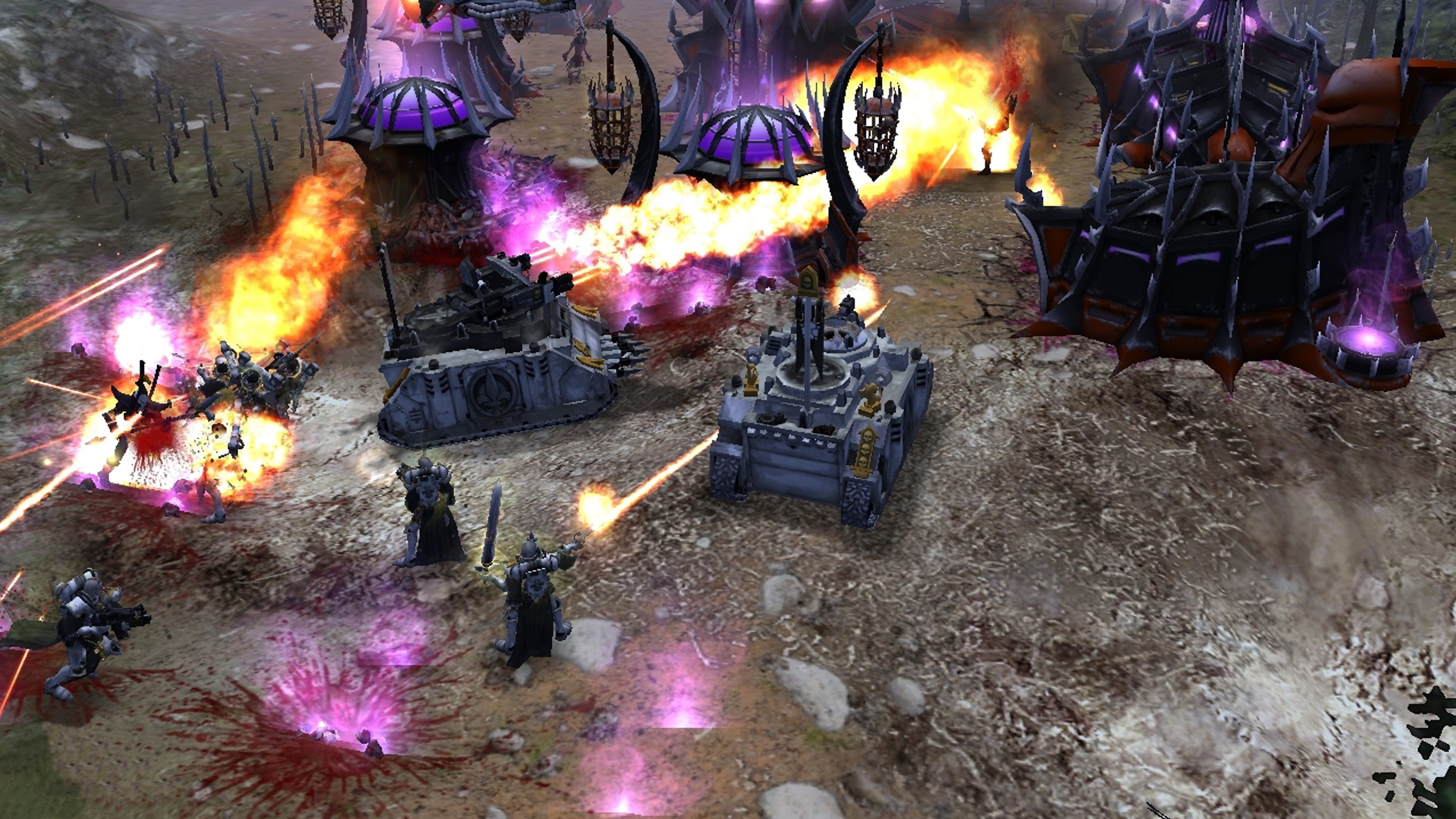
Dawn of War is steeped in the blood and weird theological war cries of the 40K universe, and manages to add enough thematically suitable twists to the RTS template to make the setting more than a fresh lick of paint. Better still, it’s lived a long and rich life of both official and fan-made expansions, adding races, modes, units and even entire new rules aplenty - which is a big part of why this remains the ultimate Games Workshop RTS, even 14 years on.
40. OpenXcom (UFO: Enemy Unknown)
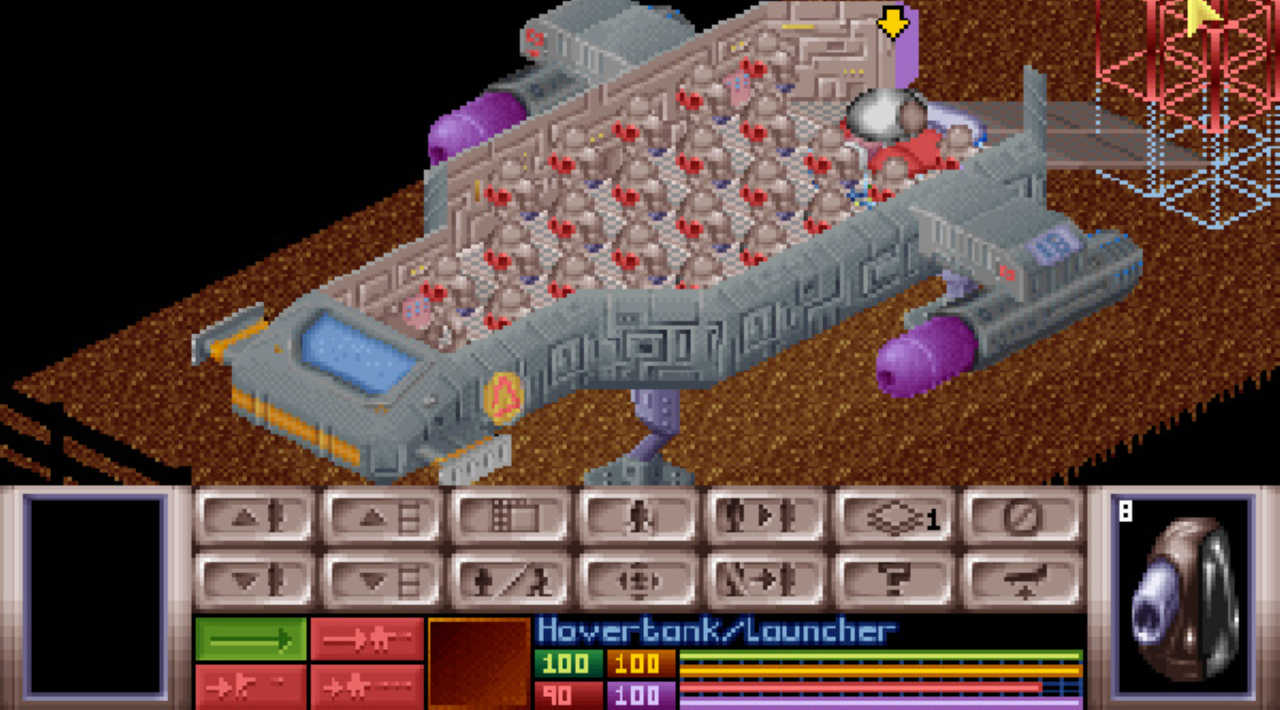
Revisiting Julian Gollop’s masterpiece now, particularly in light of the excellent Firaxis remake and its sequel, can be a sobering experience. Why is it possible to send soldiers into battle without a weapon? And, come to think of it, why does X-COM, the planet’s last hope, have to buy basic equipment? Why is the interface so unfriendly to newcomers?
Indeed, UFO is riddled with irritations. Fortunately, there’s nowOpenXcom, which takes the game apart and puts it back together again with a new code base designed to run on modern computers. It also means it’s free from all the irritating bugs and limitations that played the original, and you can mod it. You can still buy the original if you really want, but OpenXcom is definitely a more enjoyable experience in 2020. Of course, the Firaxis remake is even better today, but when you’re in the thick of a terror mission, with chrysalids seemingly pouring out of the walls, or in those last hours when you finally seem capable of taking the fight to the aliens, there’s still nothing else quite like X-COM. Not even XCOM.
39. Supreme Commander: Forged Alliance

In the beginning, there was Total Annihilation. The year is 1997, the year that Duke Nukem Forever went into production. Cavedog’s RTS went large, weaving enormous sci-fi battles and base-building around a central Commander unit that is the mechanical heart of the player’s army. Supreme Commander followed ten years later. Total Annihilation designer Chris Taylor was at the helm for the spiritual successor and decided there was only one way to go. Larger. Initially, it’s the scale that impresses. Starting units are soon (literally) lost in the shadow of enormous spiderbots as orbital lasers chew the battlefield to pieces.
Spectacle alone wouldn’t make Supreme Commander one of the greatest RTS games ever released, however, and there’s plenty of strategic depth behind the blockbuster bot battles. It’s a game in which the best players form their own flexible end-goals rather than simply rushing to the top of the ladder. Yes, there’s a drive toward bigger and better units, but the routes to victory are many - some involve amphibious tanks, others involve enormous experimental assault bots and their ghostly residual energy signatures. Indeed, we recommend playing Supreme Commander: Forged Alliance these days, which is a standalone expansion to the base game. This adds loads of extra units, an entirely new faction, new maps and a new single-player campaign, and it’s a better sequel than the actual sequel.
38. Imperialism 2
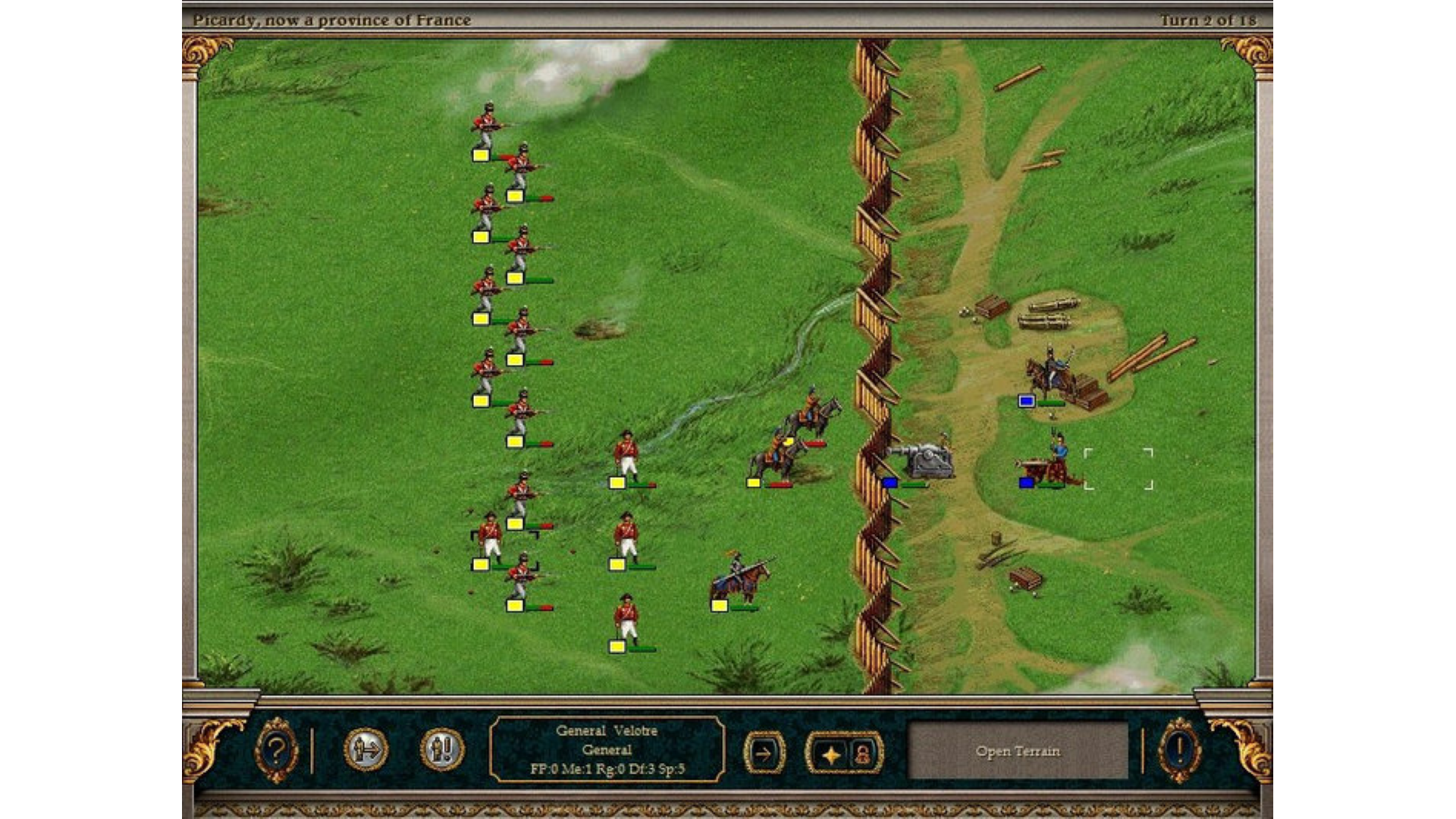
One of the hurdles strategy games often face is finding the challenge and fun in tasks and themes that don’t immediately seem attractive or entertaining. War games and theme park management have certain, obvious appeals, but when taxation and logistics seem to be the order of the day, a game can quickly look a lot like a job. Imperialism 2 is one such game.
37. Slipways
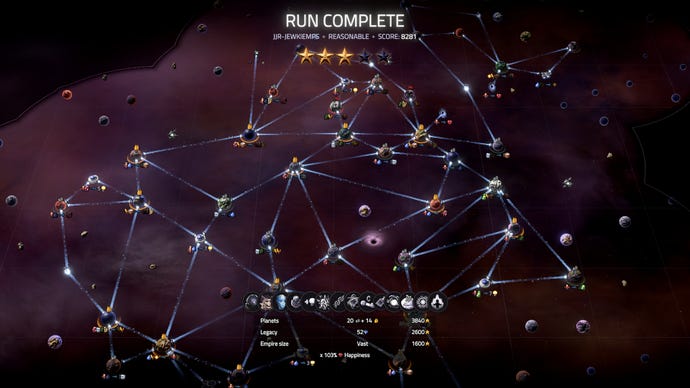
Some might call Slipways a 4X-lite. We prefer the term ‘grand-strategy-themed puzzle game’. For starters, it’s a lot more immediate and moreish than other go forth and conquer space operas, as here you’re tasked with creating a prosperous network of interlinking planets, keeping resources flowing to make sure everyone’s got the thing they need to thrive. The catch? The titular slipways can’t overlap, so you’ll need to be thinking a few steps ahead with every expansion.
Trust us, keeping everyone happy - Slipways' version of civic and public order - is no small task. If planets start getting antsy, then you run the risk of getting booted out of office, presumably into the cold coffin of space, ending your run. But here’s the thing, most runs last a couple of hours tops - 45 minutes if you’re good - making it much easier to dip your toe into if you’re too time-starved for yet another pop at Stellaris or Crusader Kings 3.
36. Dominions IV
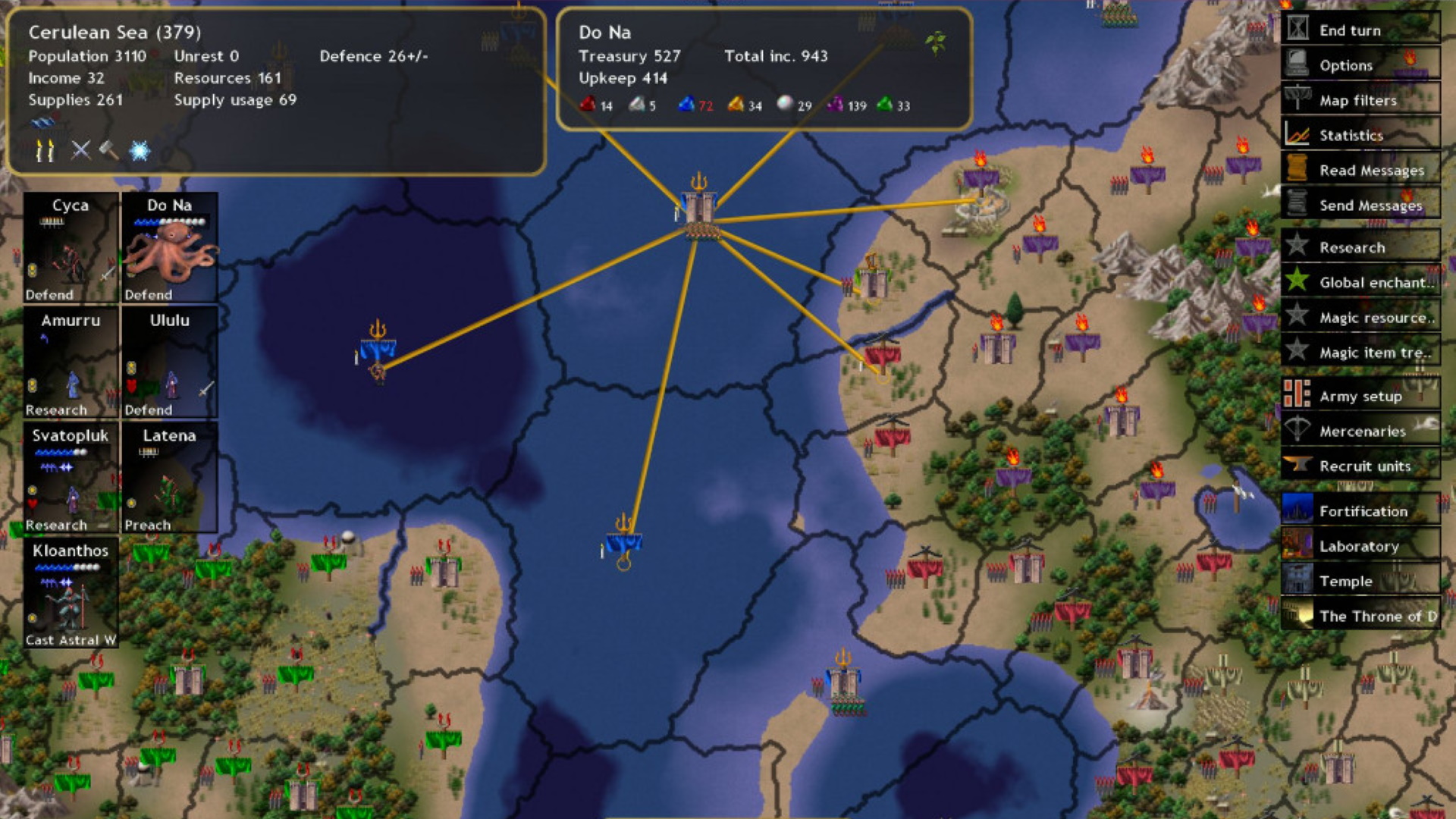
From archfiends to gods. Wannabe gods. Pretenders. Dominions IV, like Solium Infernum, can be off-putting at first. It has a complicated rule-set that takes a few playthroughs or a determined study of the monstrous manual to understand, and even when a session begins, following the flow of action can be difficult. That’s despite the game being separated into tidy turns, with distinct sets of instructions to put into action. There are cities to build, victory points to secure and armies to move around the randomly generated maps.
That tricksy rule-set, along with a combination of graphics that are functional at best and a demanding interface, can make the basics hard to grasp. Or perhaps it’s that there are no basics. Break through the hard crust, however, and there are rich veins to tap into. The clash of deities isn’t a re-skin of monarchs or emperors at war - there are disciples to nurture, totems to worship and all manner of nations that can be subject to the whims of the possibly-tentacled pretenders.
35. Endless Legend
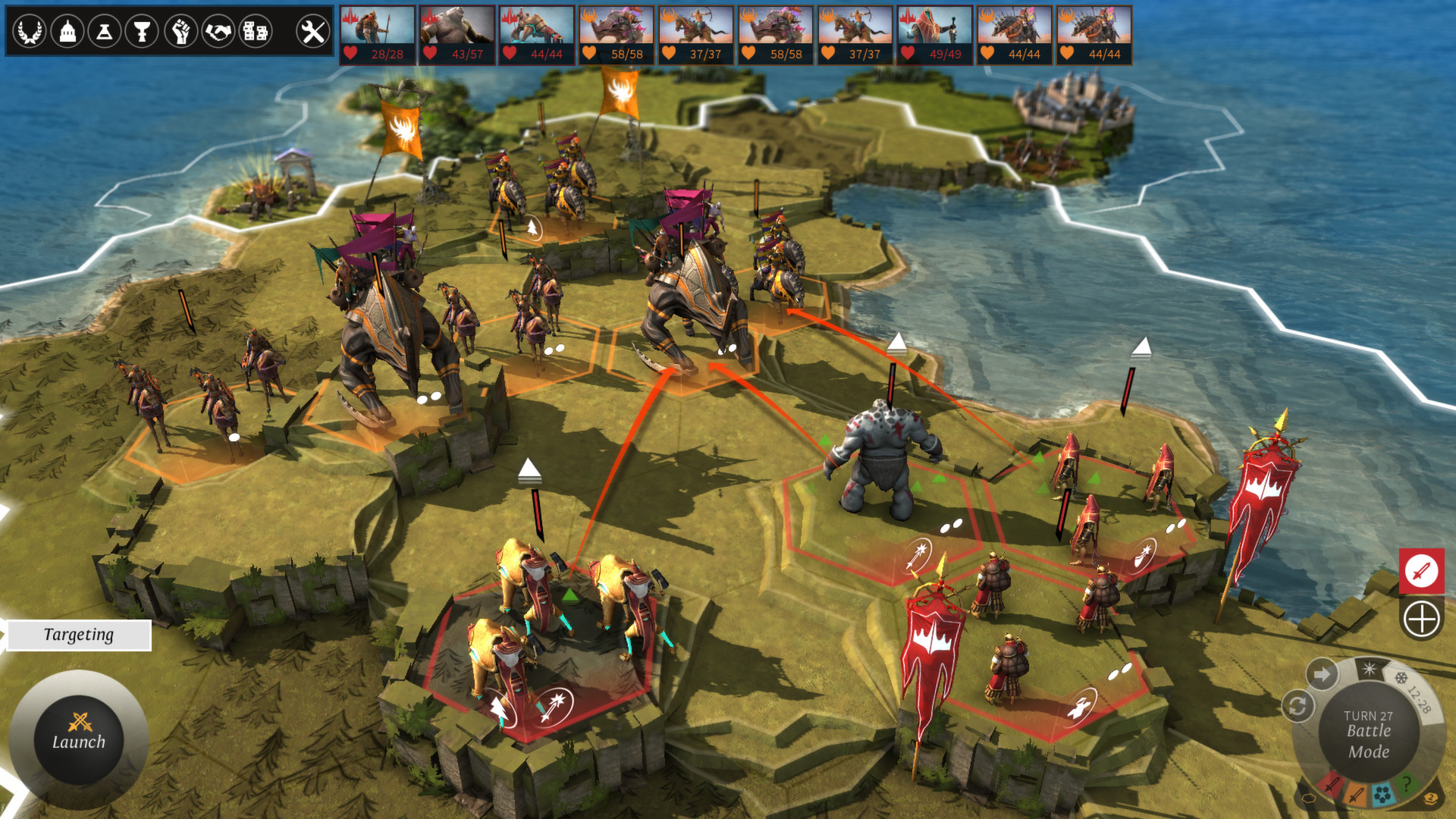
Endless Legend is unspeakably beautiful. Every part of it was made with care and thought, and a commitment to making an often formulaic sub-genre interesting and strange and enticing. Each world asks to be revealed, each faction stokes curiosity. There are the bizarre cultists and their sole, massive city, who fanatically raze anything they conquer after they’ve learned what they can from it. There’s the dour Broken Lords who are haunted suits of armour, unable to use food but able to reproduce with ‘dust’, the game’s mysterious magical currency, which itself is key to why one of our favourite factions, the Roving Clans, are so interesting. They’re nomads obsessed with collecting dust to unlock its true power. They’re totally unable to declare war, but they get a cut of every market trade and can hire the best mercenaries.
34. Druidstone: Secret of the Menhir Forest

From some of the team behind the dungeon crawling Legend of Grimrock games, this turn-based tactics game offers just the right balance between Into The Breach-style solution-finding, and improvisational disaster mitigation along the lines of XCOM. Using a small party of three (and later four) characters, upgraded between battles in classic RPG style, players must navigate thirty-five extremely well-designed missions, completing core objectives to progress and nailing secondary objectives to gain extra upgrade resources.
33. Rise Of Nations
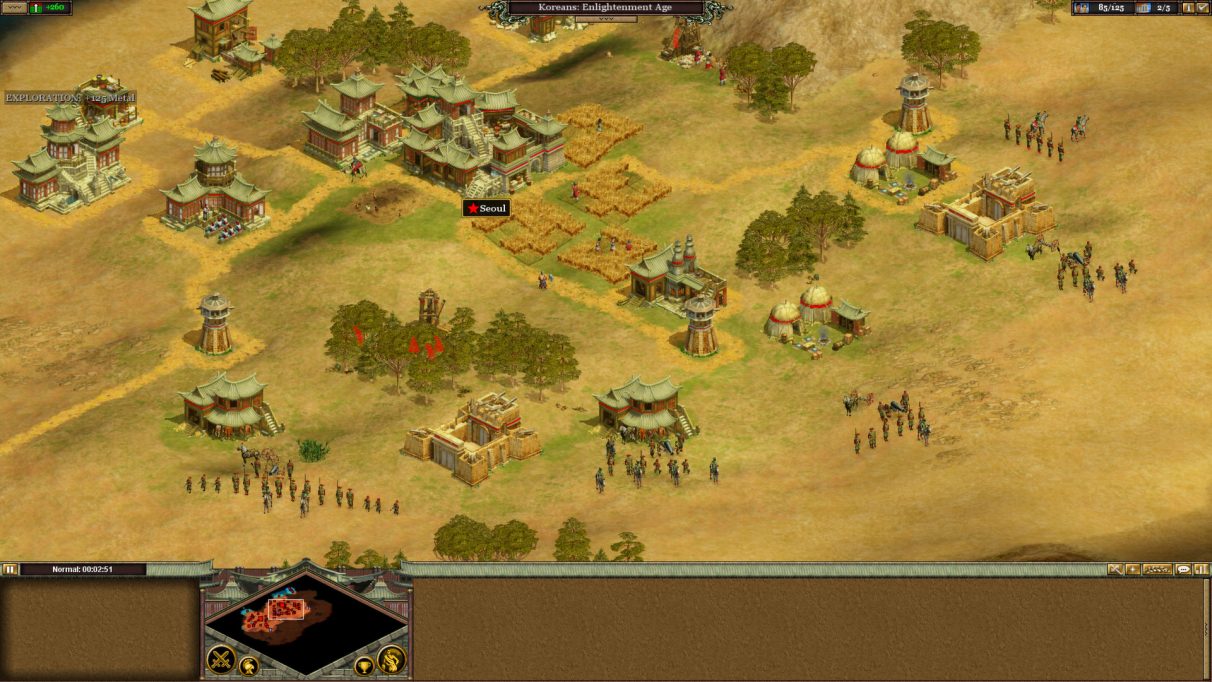
Although it’s not often regarded as part of the pantheon of strategy games, Rise Of Nations is the closest thing to a real-time take on Civilization that we’ve seen. Spanning the history of warfare from catapults and caravels to submarines and stealth bombers, it’s a game of territorial control and long-term decision-making that could be mistaken for a simplified war game.
32. Battlefleet Gothic: Armada 2
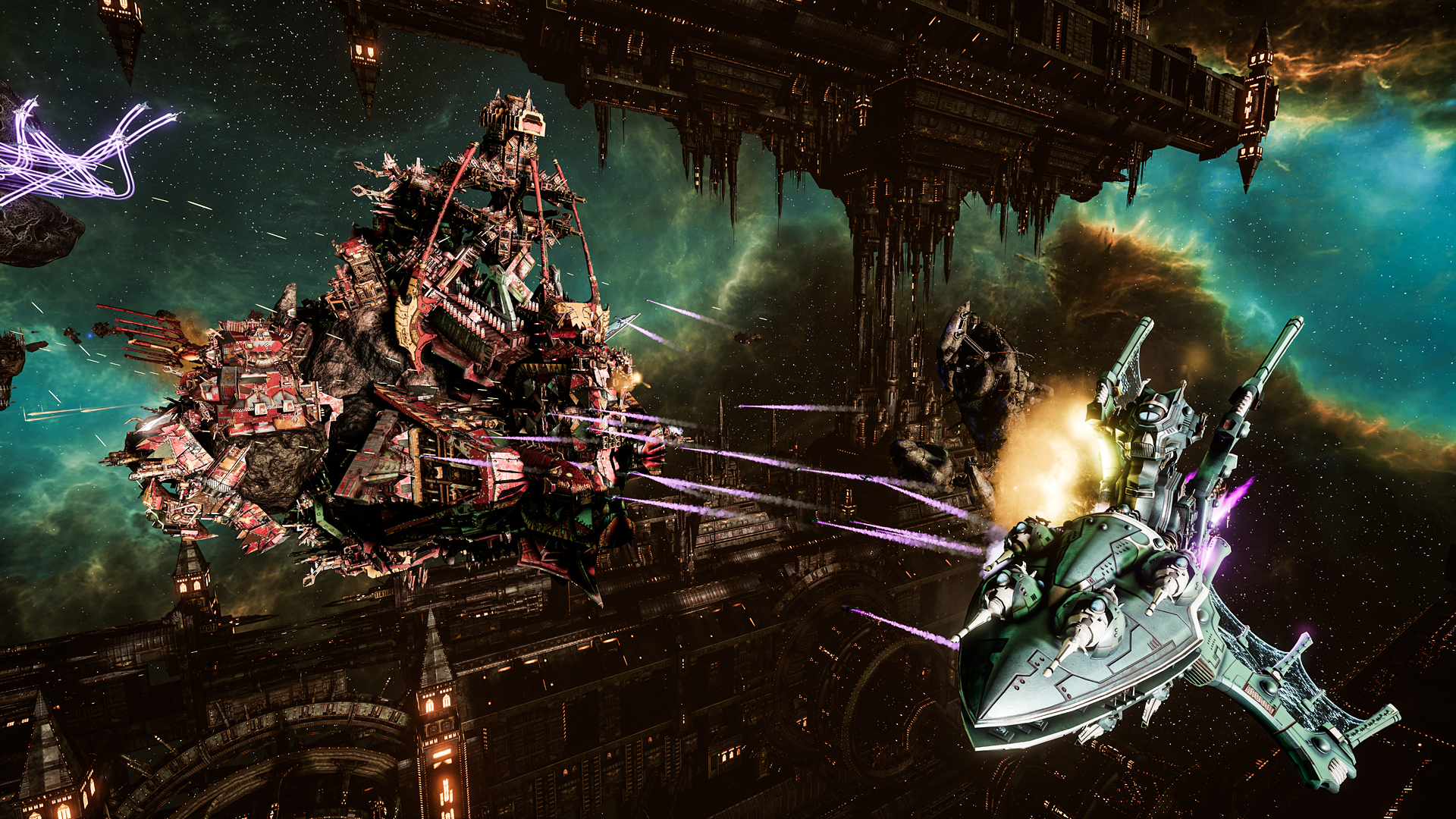
Of course, it’s nothing like whatactualspace combat would resemble, being played on a 2D field - it’s more like WWI-era battleship combat, embiggened to fit the maximalist aesthetic of Warhammer 40K. Even so, it’s got that level of internal consistency that suspends all disbelief. If anything, the strategic game is a little light, but not so much that it feels stripped down, and there’s an impressive level of narrative customisation for each of its three playable factions - the obvious humans, the VeryVeryHungry Caterpillars a.k.a the Tyranids, and our personal favourites, the miserable ancient Egyptian space terminators known as the Necrons. However and whatever you choose to play, you’re guaranteed one hell of a light show.
31. Galactic Civilizations 2: Endless Universe
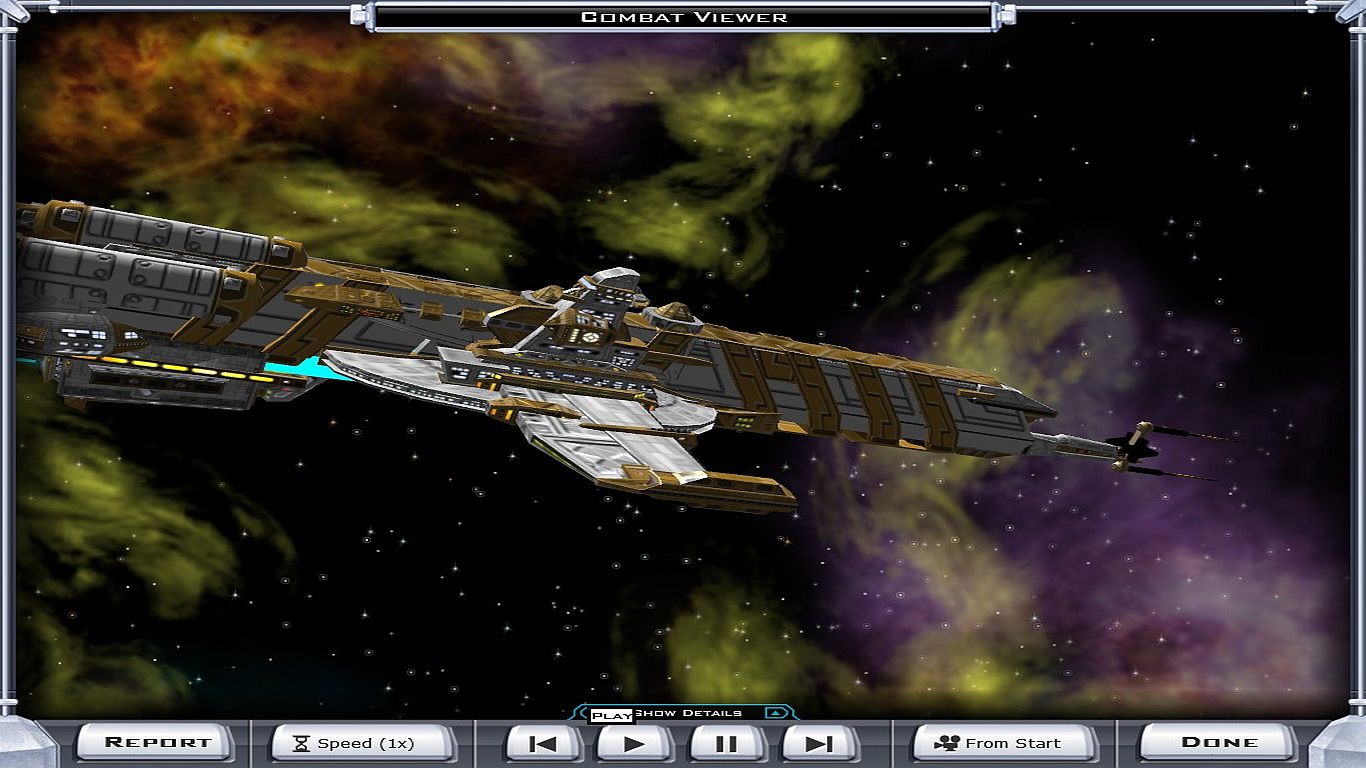
The AI is notable, both for the challenge it offers and the way that it operates. Although it does receive boosts at the highest difficulty levels, there’s also a credible attempt to simulate counter-strategies tailored to the player’s actions. The Endless Universe release, or Ultimate Edition, is also bundled with the two expansions, one of which adds the ability to destroy solar systems.
30. Heroes of Might and Magic III
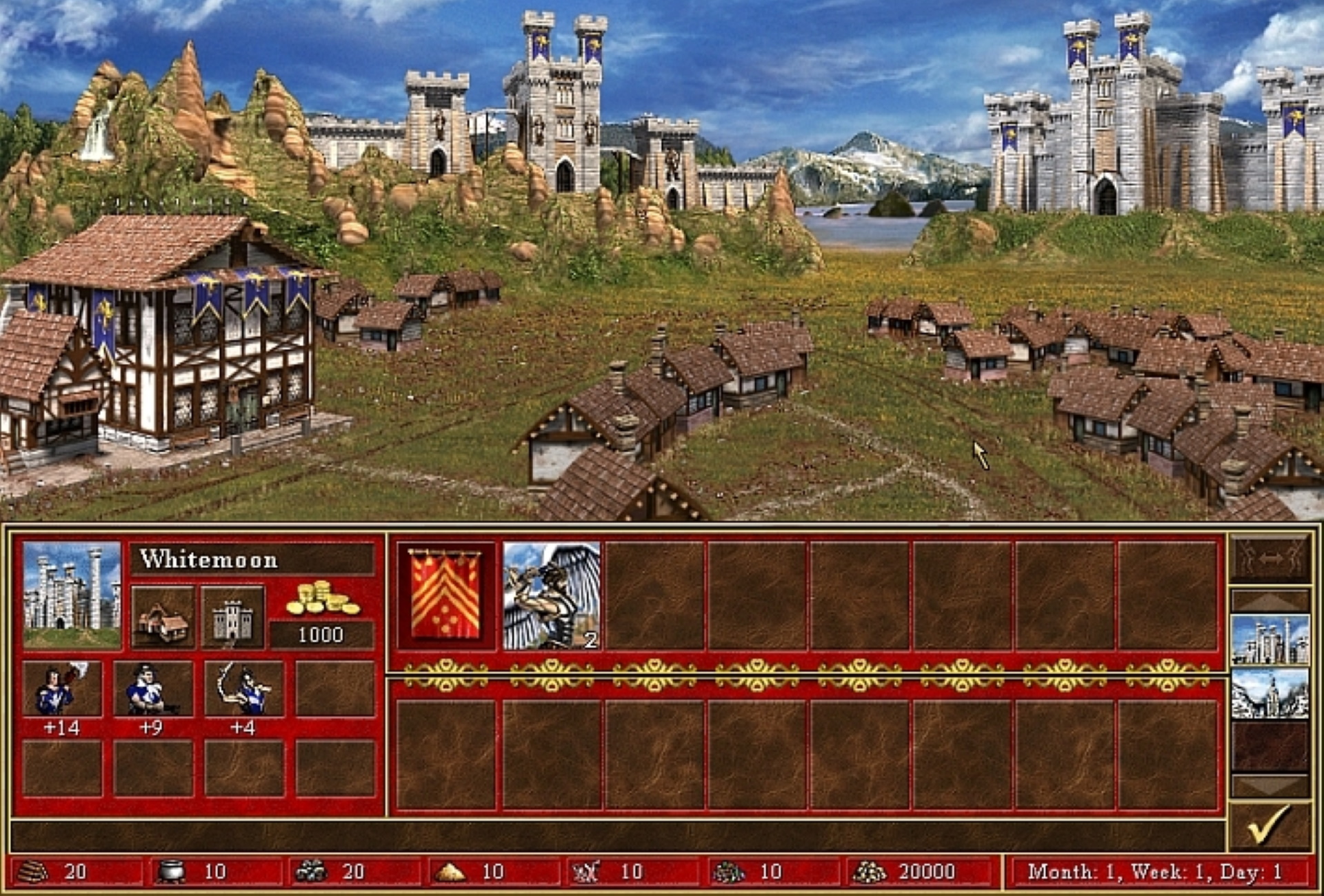
Heroes of Might and Magic III is almost perfect. The strategic portion of the game manages to instil resource gathering and experience grinding with the excitement of exploration and questing, while the tactical battles rarely become rote despite the limitations of an 11x15 hex map. It’s a wonderful example of several simple concepts executed well and locked together in a whole far greater than the sum of its parts.
A huge part of the game’s success lies in its approach to progression. As is often the case in strategy andRPG gamesalike, the goal in each scenario is to uncover a map and make all of the numbers go as high as possible. Build lots of units, level up heroes and gather gold until there’s no space left in your coffers. New World Computing ensure that there’s always something interesting behind the fog of war, however, and that every step toward victory feels like a tiny fantastic subplot in its own right. Just look at the towns for proof - every building and upgrade feels like an achievement, and part of a beautiful, fantastic tapestry.
29. Neptune’s Pride
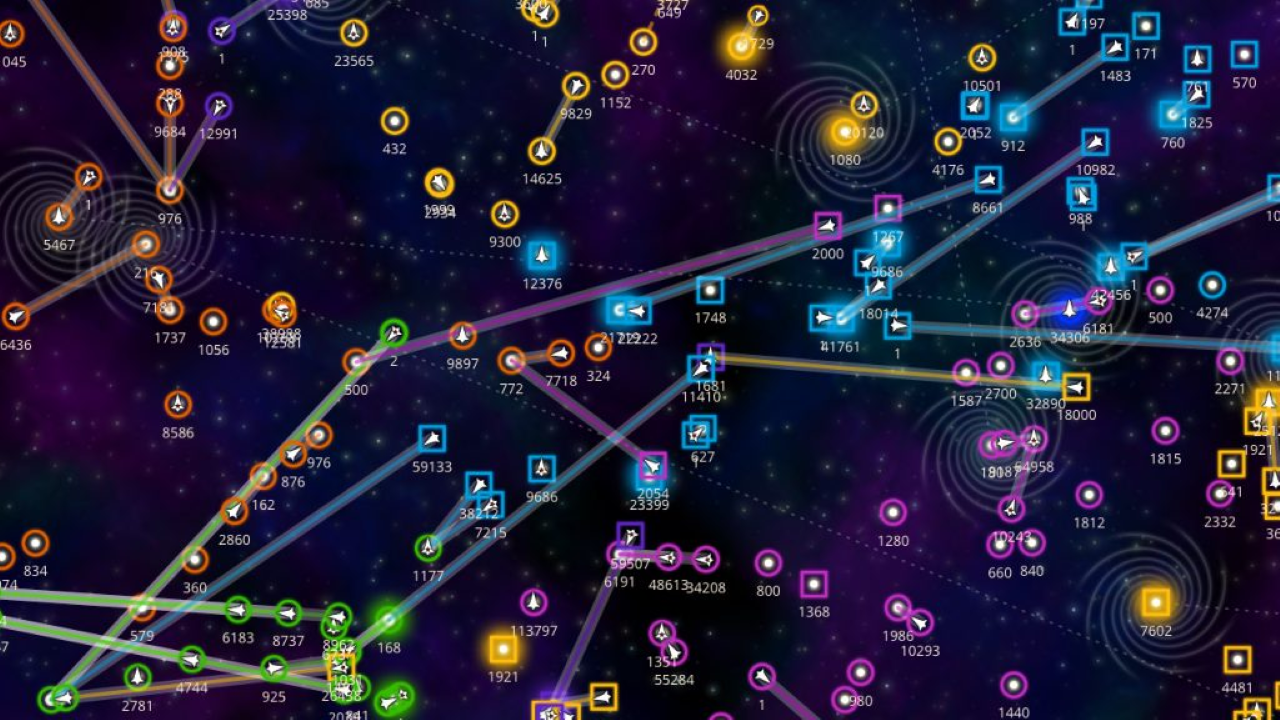
If you had to describe Neptune’s Pride in a few words, it’d sound like almost any other game of galactic conquest. Planets and ships can be upgraded, and, as ever, you’ll be trying to gather as much science, industry and money as possible. Simple. The twist in this particular tale is the speed of the game - or, perhaps, the distances involved. Sending a fleet to explore, invade or intercept takes hours. There’s no way to speed up the passage of time so what to do while waiting?
Neptune’s Pride is not one of those freemium games that allow you to buy gems (why is it always gems?) to hurry the process along. Instead, most of the game takes place in the gaps between orders, as alliances are forged, promises are made and backs are stabbed. Due to the long-form nature of a campaign, Neptune’s Pride will live with you, needling at the back of your mind, and you’ll find yourself switching strategies in the anxious early hours of the morning, betraying friends and playing into the hands of your enemies.
28. Warhammer 40,000: Mechanicus
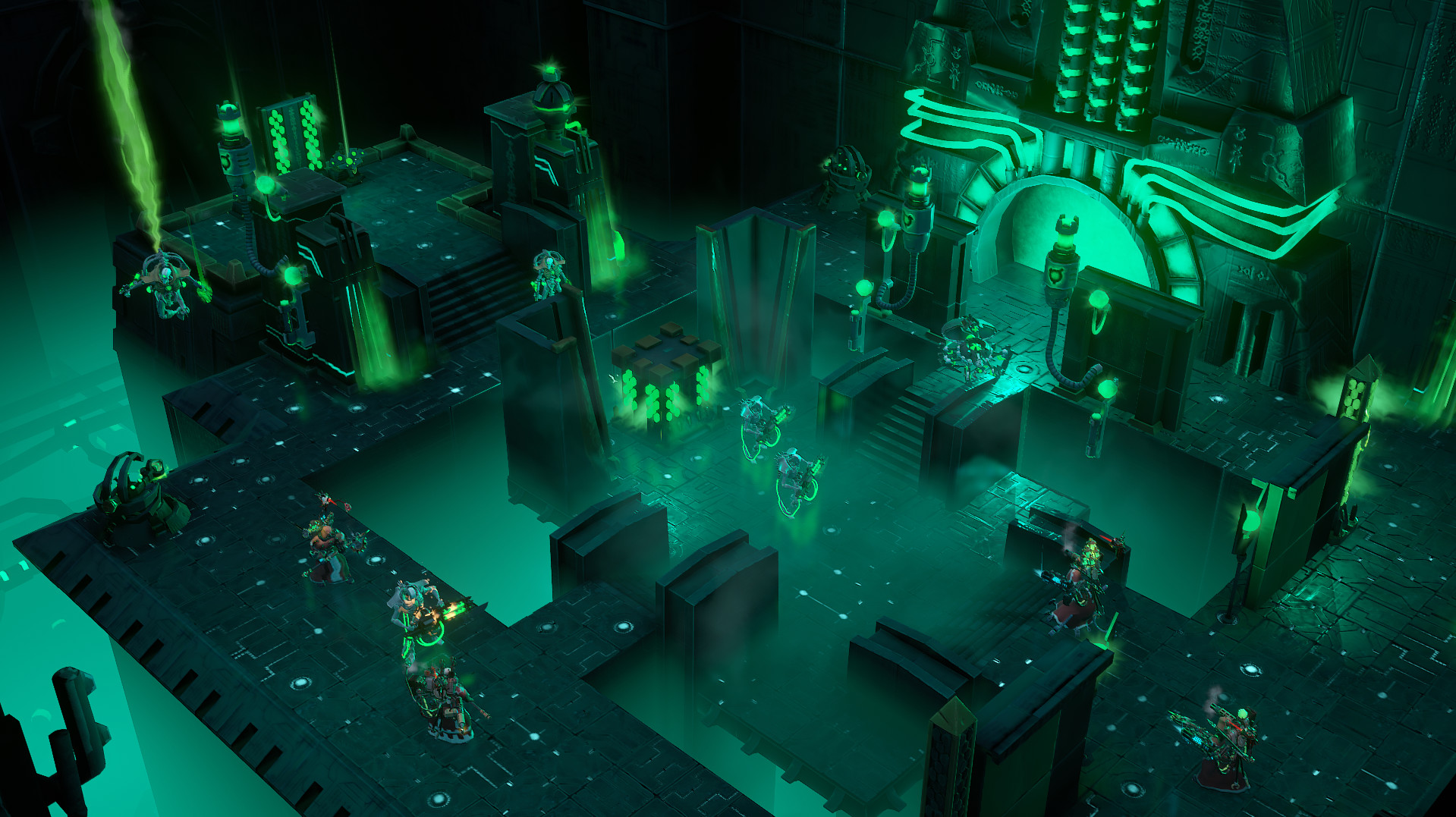
Most XCOM-alikes end up disappointing, but Warhammer 40,000: Mechanicus managed to achieve a decent enough treatment of XCOM’s turn-based combat sub-genre, while adding enough creative idiosyncrasies to make it thoroughly charming in its own right. You play as a faction of deranged cyborg techno-monks, plundering the depths of an alien tomb in search of ancient technologies, enlightenment, or sometimes just additional fuel for your knackered starship. Needless to say, the tomb is the resting place of countless miserable metal skeletons (yep, it’s those necrons again), who want to chase you out with a rolled-up newspaper made from searing green radiation.
This is an adventure that captures that ‘one more mission’ addictiveness, and it’s superbly written, too. The various bickering cyber-clerics behind your expedition are genuinely memorable characters, and you find yourself gripped - and occasionally evenlaughing- as their story unfolds in between missions. The game’s also dripping with atmosphere, with moody battlefields, light choose-your-own-adventure elements in between fights, and a grimy industrial soundtrack that sounds like what a bunch of Gregorian monks might create if given access to an abandoned factory, a synth setup, and more than a little ketamin.
27. BattleTech

On the face of things, BattleTech might look like XCOM with giant robots, but those big metal suits aren’t just there for show - they’re what makes BattleTech so distinctive. A big ol' mech doesn’t much care when it loses an arm, for instance - it just keeps on fighting. Working out how to down these walking tanks both a) permanently and b) in a way that preserves enough of it to take home and use as parts to build a new one yourself is the key strategy here. You’ll have to juggle positioning, range, ammo and heat as these 80-ton titans clash in tense turn-based battles, while the meta-game involves steadily collecting enough salvage to raise yourself an army of building-sized steel Pokémon.
BattleTech is sometimes too slow for its own good (thoughmodsanda patchaddress this), but stick with it and it becomes an incredibly satisfying game of interplanetary iron warfare and robo-collection.
26. Frozen Synapse
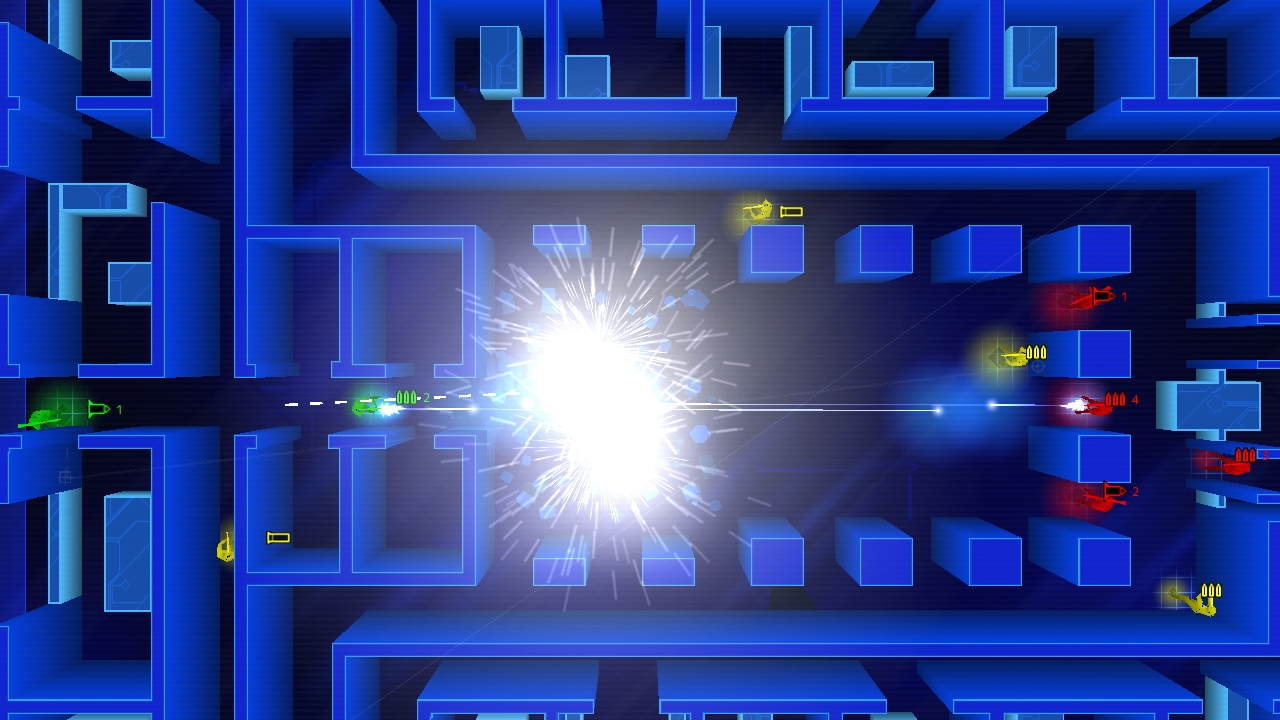
For five seconds at a time, Frozen Synapse allows you to feel like a tactical genius. You provide orders for your team of soldiers and then watch as enemies waltz right into your line of fire, or find themselves caught between a rock and a hard place, right on the killing floor. The next five seconds might flip everything around though, leaving you feeling like a dolt.
The beauty of Mode 7’s clean and colourful game is that it plays on confidence and intuition rather than detailed analysis. Each 1v1 round of battle takes place on a randomised map, both participants draw up their orders and then execute simultaneously. If you know your opponent’s style you might be able to flush his/her units out, or wait for them to show themselves. Maybe you’ll have to take on the aggressive role, knowing that this particular enemy commander prefers to set up an ambush and wait. In a few short minutes, you’ll perform flanking manoeuvres, lay down covering fire, attempt to breach and clear a room, and watch in horror as everything goes wrong again. But when a plan comes together? You’re a genius again, for at least five seconds more.
25. Imperator: Rome
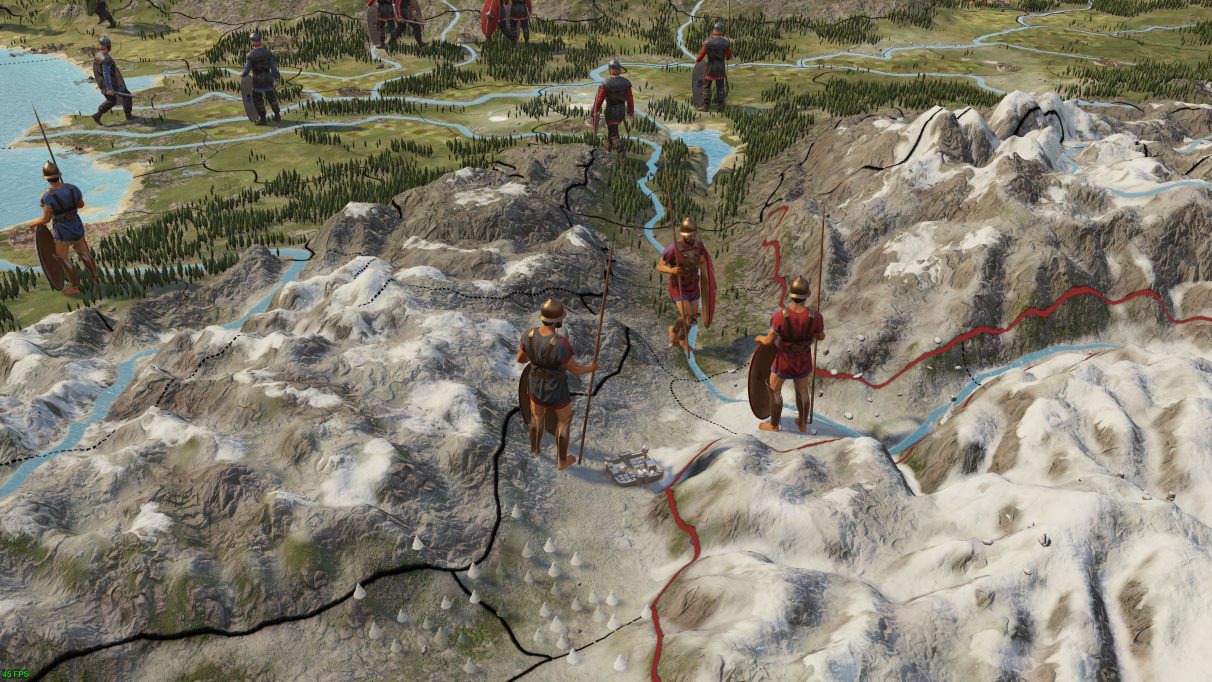
It’s a great moment in history to choose, with Rome poised between early collapse and expansion into a continent-eating juggernaut, Carthage lurking in the wings, and everything to play for in the chaotic fallout of Alexander’s empire. Rome itself is a beautiful headache to play, with internal politics and infrastructure growing harder and harder to manage as the legions seize more territory: it’s a game that’s less about building an empire, and more about holding it together. For those who weren’t happy with Imperator at launch, it’s already undergone several transformative (and free) patches to address player criticism, and the reaction from fans seems to be encouraging. If you’ve not dipped into it so far, now’s a good time.
24. Jagged Alliance 2
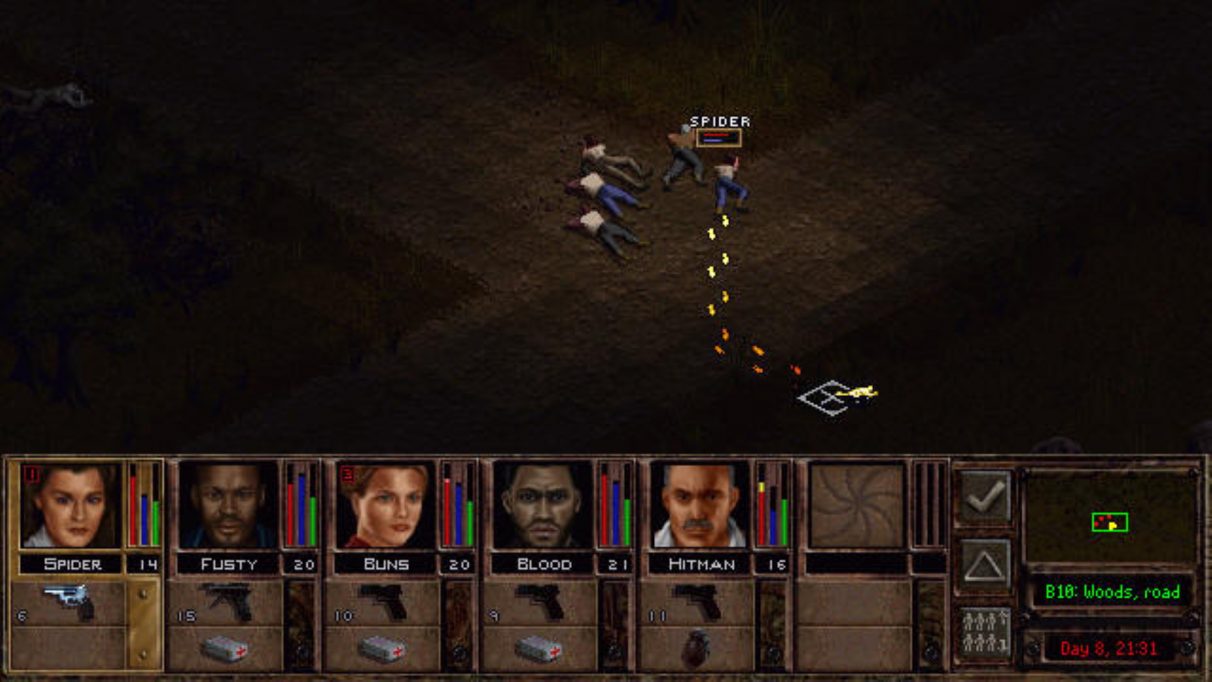
It’s incredible to think that nobody has taken Jagged Alliance 2 on face to face and come out on top. There are other games with a strategic layer and turn-based tactical combat, sure, and there are plenty of games that treat mercenaries, guns and ammo in an almost fetishistic fashion - but is Jagged Alliance 2 still the best of its kind?
Doubts creep in every once in a while and, inevitably, that leads to a swift re-installation and several days lost in the war for Arulco. Jagged Alliance 2isstill in a class of its own and despite the years spent in its company, it’s hard to articulate the reasons why it has endured. The satisfaction of gaining territory in the slow creep across the map is one reason, and the tension of the tactical combat is another. Even the inventory management feels just right, making every squad the equivalent of an RPG’s party of adventurers. But it’s the character of the squad members that seals the deal. Each has enough personality to hang a hundred stories on - remember the time Fox bandaged Grunty’s wounds in the thick of a firefight a turn before he bled out, or the time Sparky made an uncharacteristically good shot and saved an entire squad’s bacon? If you don’t, go play Jagged Alliance 2 and make some memories.
23. Command & Conquer Remastered Collection
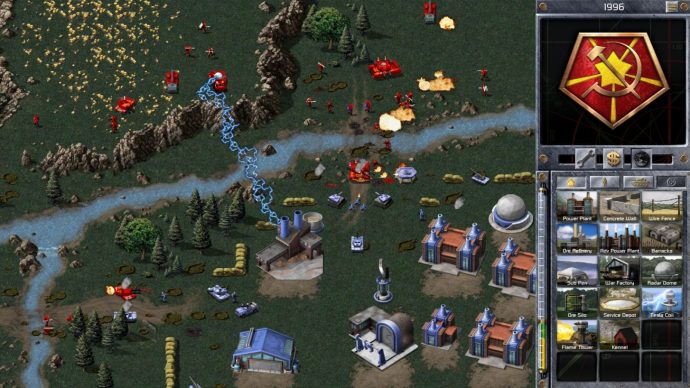
C&C remains peak ’90s RTS, from a time when the genre seem unassailable, and it remains fiendishly playable, just challenging enough, and filled with campy delight. To EA’s enormous credit, the Remastered Collection does those old games proud, rendering ridiculous FMV in modern resolutions, turning pixelated sprite art crisp, applying UI improvements from later games back to the original, as well as rebuilding the multiplayer, adding a map editor, and more. It’s a great package - and heck, worth it for the remastered music alone.
22. Gears Tactics
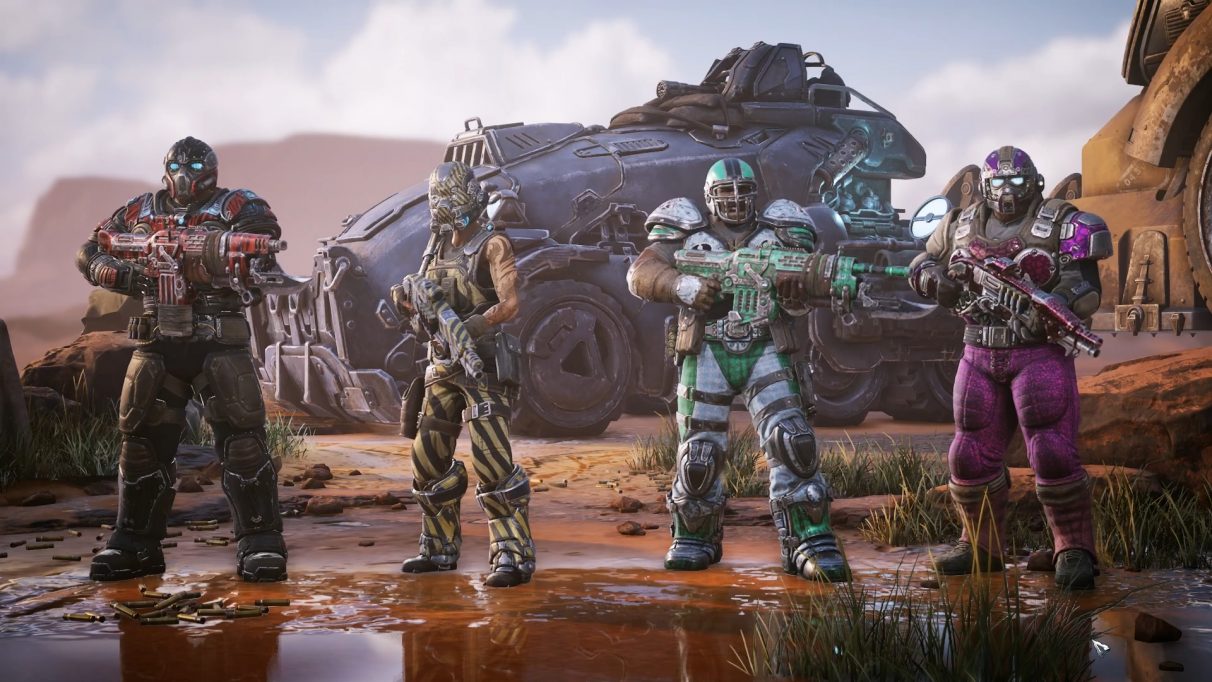
Gears Tactics is, as its name might suggest, a turn-based tactics game set in the beefy, growly world of Gears Of War. An odd combination, you might think, but this is a game whose veins run deep with the same kind of deep, tactical prowess as your X-COMs and, err… XCOMs. Against all the odds, it really does turn out that, even in the preposterously hench world of Gears, the mind really is the strongest muscle.
Its campaign is a smoothly designed, relentlessly paced squad ‘em up that eschews everything in its genre territory except for the actual tactical battling, and it does that exceedingly well indeed. Its mechanics are built to emulate the aggressive, horde-mowing-down playstyle of its brick-chinned FPS dad, and you’d be amazed how well that translates to a completely different genre. The only notable omission is the lack of any strategic or management meta-game once each battle is over. Instead, it’s back to the battlefield with your newly looted gear and skills you’ve gained from levelling up. That may not be everyone’s cup of protein tea, but if you’ve always tended to enjoy the fights of XCOM rather than spending time hanging around your base, this is the tactics game for you.
21. Anno 1800
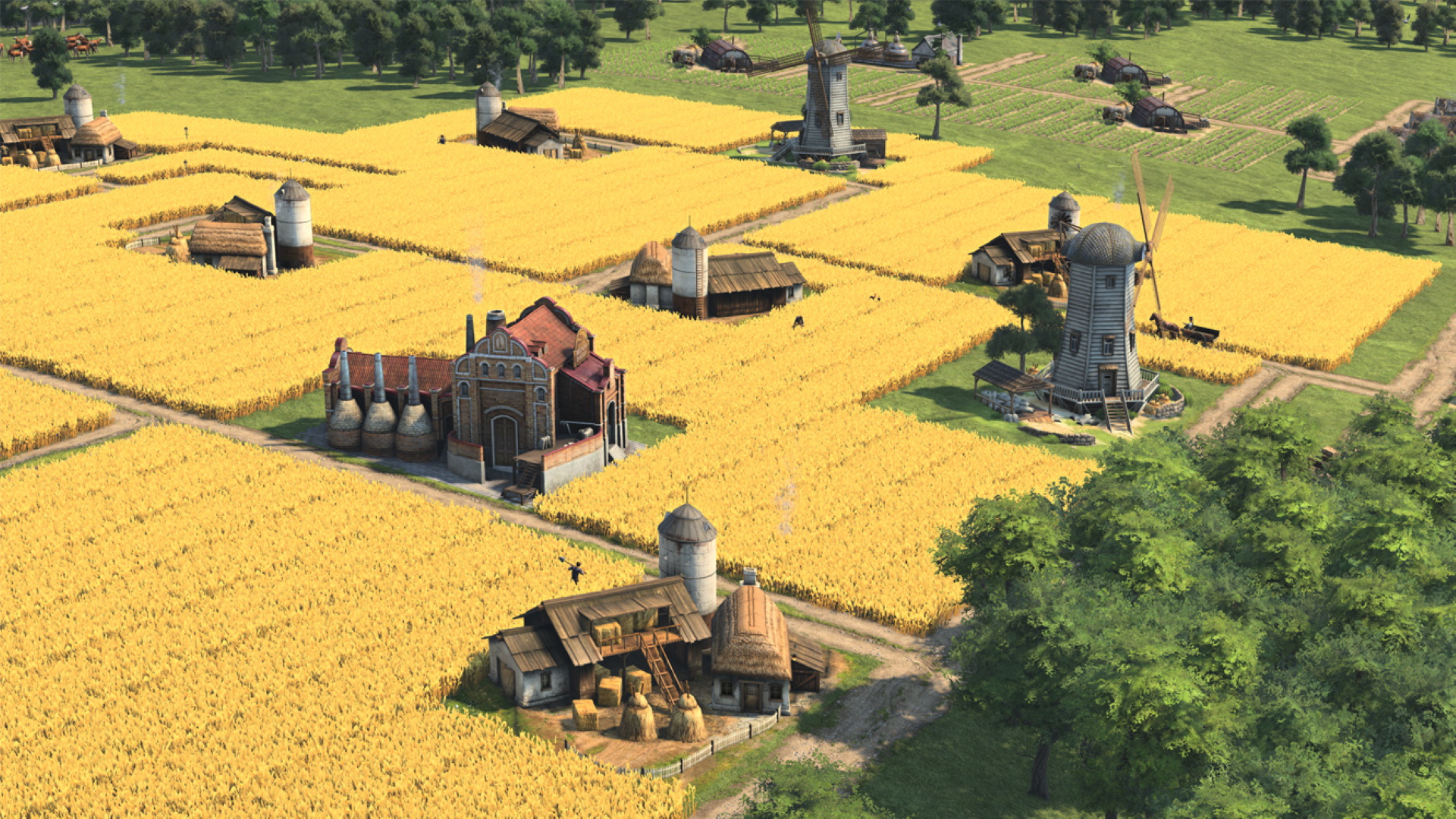
The latest in Ubisoft’s series of semi-historical colony managers, Anno 1800 covers the transition from the age of sail and small-scale farming to the era of thundering engines, electricity and hellish abattoirs we all know and love. As well as offering competitive real-time city-building against both AI and human opponents, Anno also has an extra layer of built-in maritime RTS where you direct a small fleet of ships to trade, explore, carry out reward-based missions, fight pirates, or assault your competitors.
It can get hectic at times, with at least two separate maps (new and old world) in play at any one time, but it means you’re never, ever short of something to do. Anno 1800 is also thoroughly gorgeous, with coastlines and jungles that thrum with exploitable beauty, and complex, varied building animations that make it genuinely worth it to zoom in on your streets and see what’s going on.
20. The Banner Saga
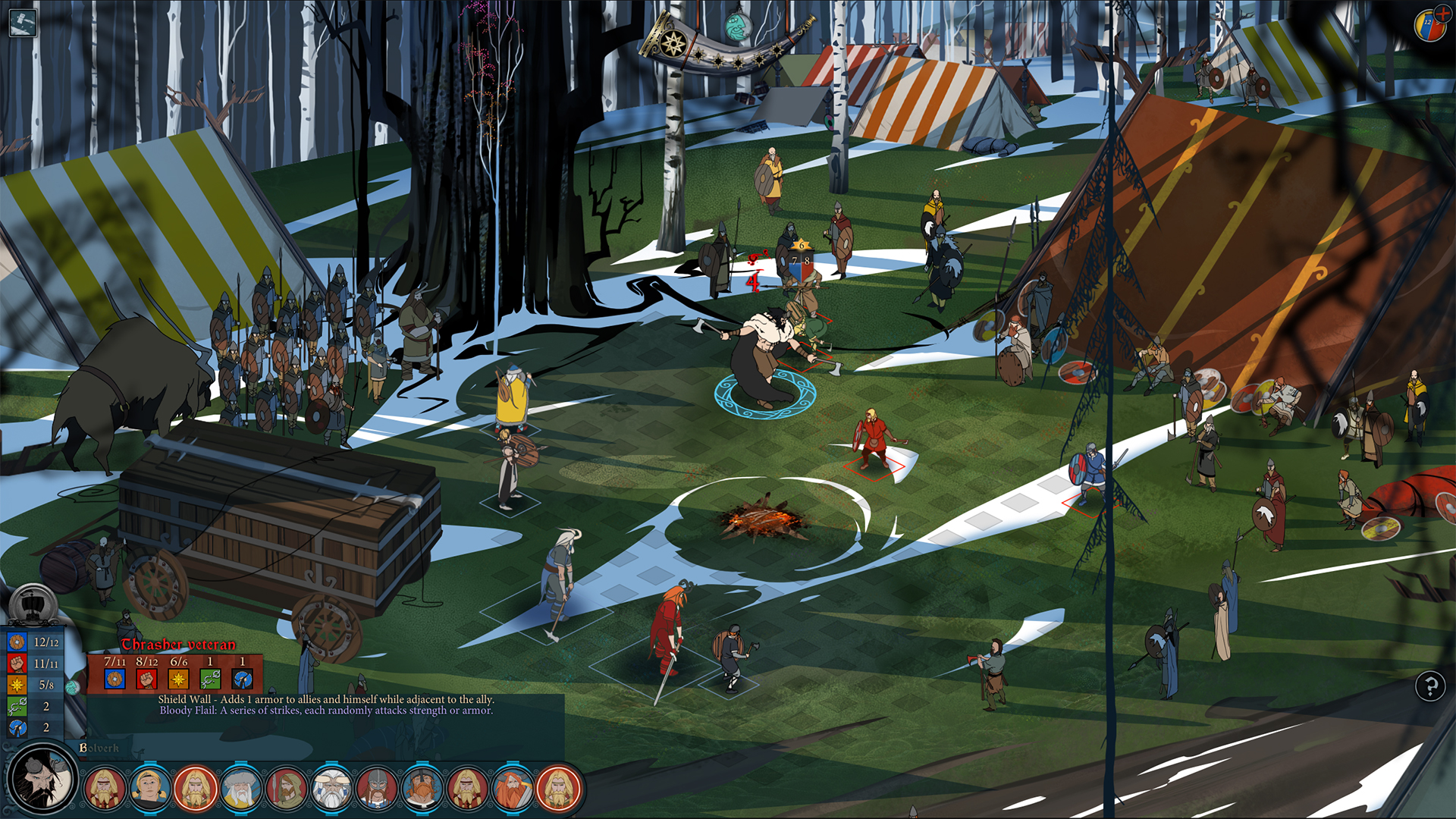
The Banner Saga is an epic turn-based strategy series whose story spans across three separate games. While The Banner Saga 2 is arguably the best one in the trilogy, introducing more enemy types and classes to keep things interesting, this is very much the second act of the game’s wider narrative, so it’s definitely worth playing right from the start.
The pseudo-rotoscope, Norse-themed art is glorious, but what gives The Banner Saga as a whole its staying power is that it’s a sort of rolling mood more than anything else. A disaster-strewn trek across a dying land, multiple, oft-changing perspectives, awful decisions with terrible consequences made at every turn, more a tale of a place than of the individual characters within it. Thefeelof Banner Saga is what’s most memorable, elevating choose-your-own-adventure tropes into real atmosphere. There’s a reasonably robust turn-based combat system in there too, in which you regularly get to field armies of horned giants. A few punches are pulled, perhaps, but The Banner Saga has far more substance than might have been expected from a game which seems so very art-led.
19. They Are Billions
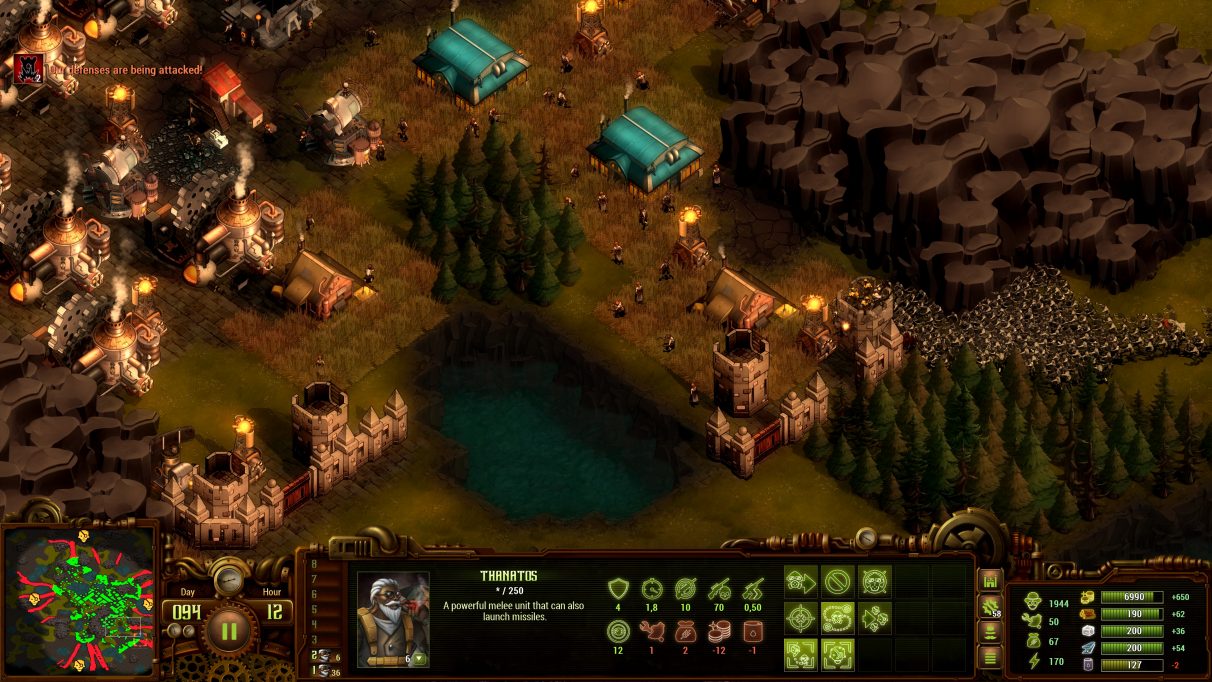
They Are Billions takes real-time strategy, tower defence and zombie survival, and combines it all into a single punishing, rewarding, delicious experience. It’s one of the rare games that succeeds in its Frankenstein-esque genre splicing, and Numantian Games have only made it bigger and more beautiful since coming out of early access. The year is 2260, and after one of those classic zombie apocalypses that ravage the earth, the remnants of this steampunk-infused world now live inside a huge walled city to keep out the undead nasties. But no more! In They Are Billions’ sprawling campaign, you must colonise new outposts in the world around you, building new communities from scratch while protecting them from the hungry hordes.
The special thing about They Are Billions, though, is the way it keeps you scared and on your toes even during moments of relative peace. The way it leaves you to slowly explore outwards from the centre of the map and see just how many thousands of zombies are waiting for you, just beyond the borders of your city. The way it generates such fantastic, characterful anecdotes of Achillean heroism and Sisyphean despair. It all adds up to a delectable experience that keeps you coming back even after it defeats you time and time again and, more importantly, even after you finally complete it, too.
18. Six Ages: Ride Like The Wind
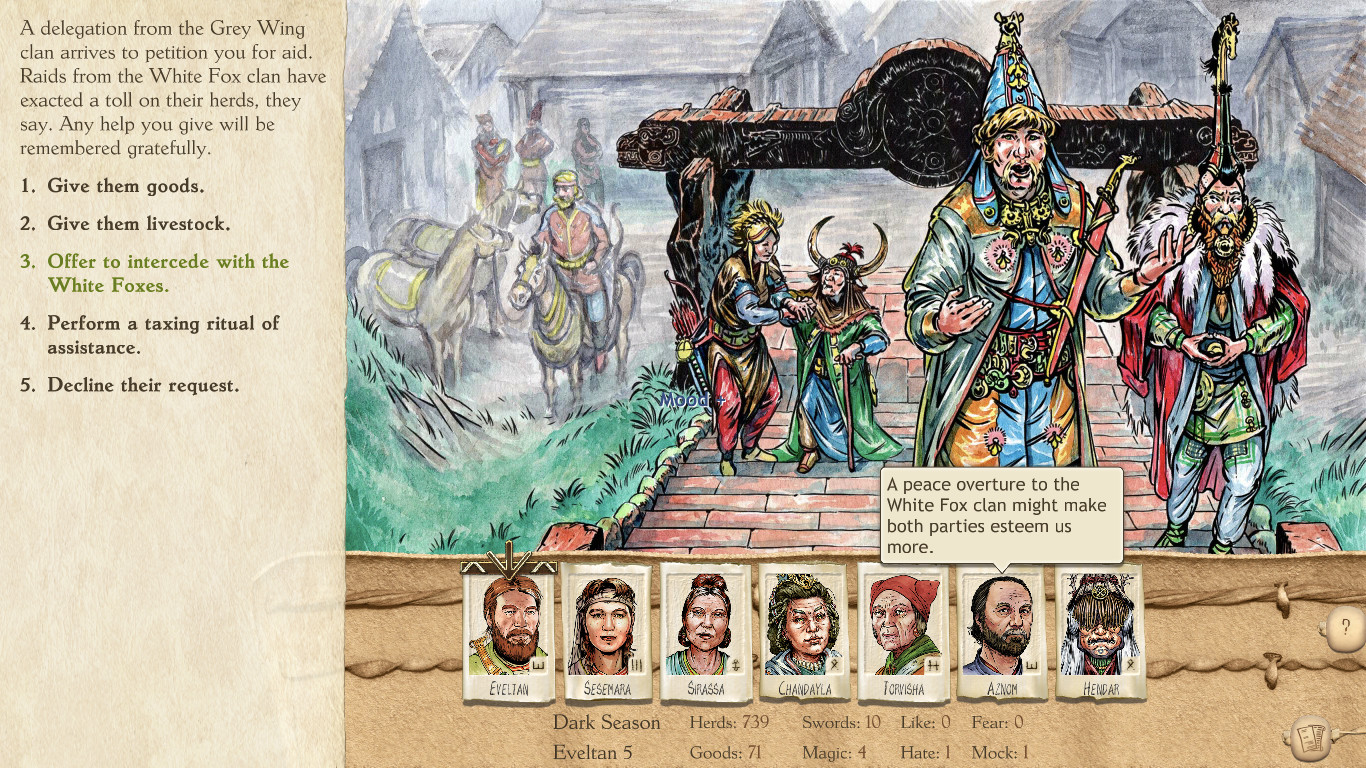
Six Ages works as a strategy game because it’s about influencing people, not just accumulating resources. Cattle and horses and food are vital, sure, but they’re not everything, and you need to gauge many things that can’t be counted. How the Grey Wings feel about you isn’t presented as a number or bar, but what your traders and diplomats have to say. You’re leading a village in a dangerous land of magic, religious conflict, and looming environmental crisis. Yes, it has bags of personality as your advisors snark and ramble and complain, and you explore the alien values of this colourful, yet malleable culture, but there are hard strategic decisions to make every year, even if the decision is to stay the course.
Success is about making good decisions in its many events, but also directing your clan’s long term efforts behind the scenes. Where do you explore and when? Will your precious magic supplement your crafter this year, or is it time to risk a ride to the gods' realm to secure a special blessing? And those decisions can never be fully divorced from the wider situation. The ideal solution might be obvious but unaffordable, or contradict another plan you have going. Measuring all these political, economic, military, religious, and sometimes personal factors up against your long-term plans is a storytelling delight and a cerebral challenge all at once.
17. Total War: Three Kingdoms
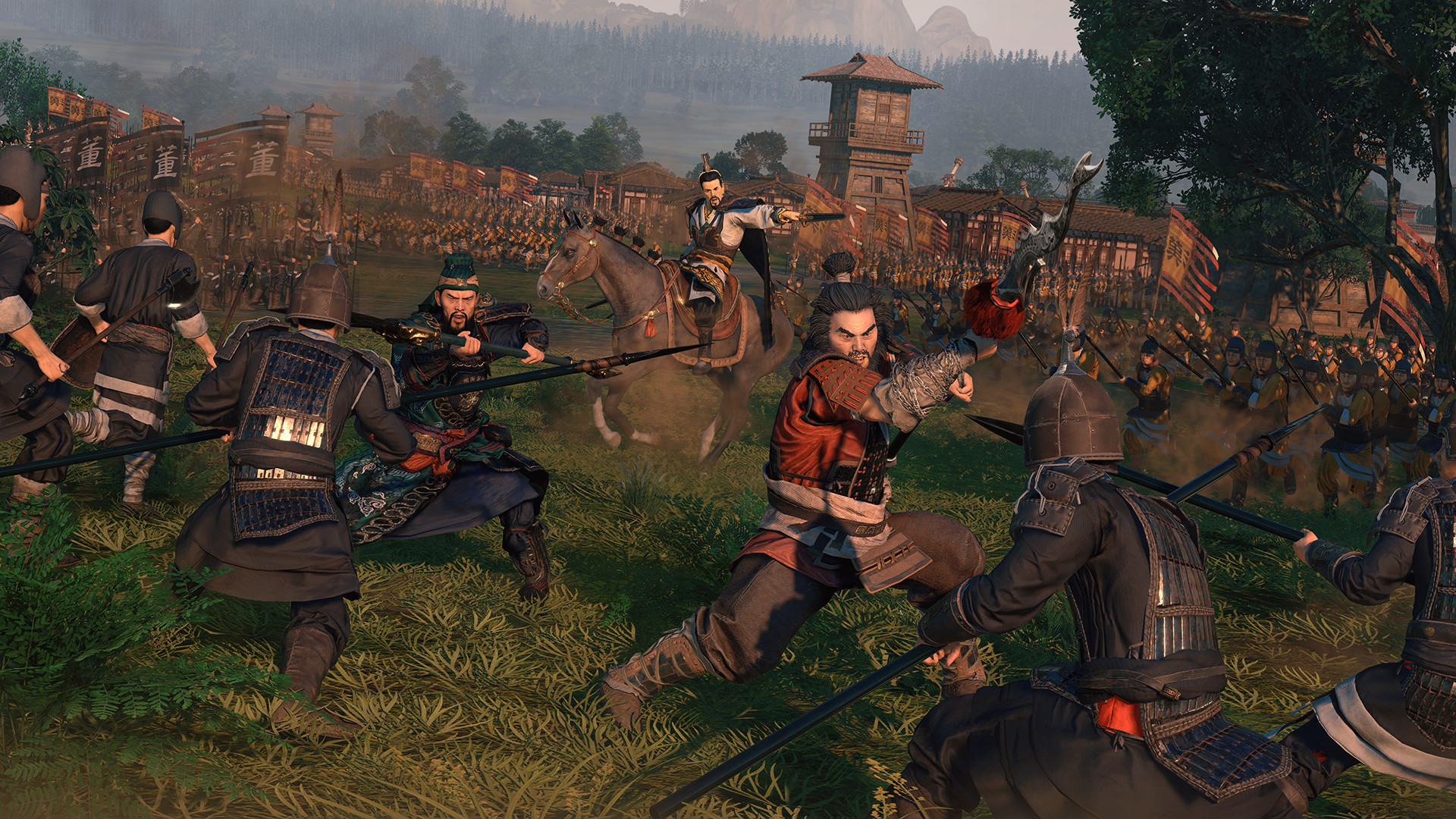
Creative Assembly’s historical Total War games have been going from strength to strength in recent years, and 2019’s Three Kingdoms is arguably the best one yet. Set during China’s titular Three Kingdoms period in the second and third century and based on the fourteenth century novel Romance Of The Three Kingdoms, this is the most dramatic and personal Total War game yet, making for some thrilling, real-time combat and some truly incredible stories.
16. Offworld Trading Company
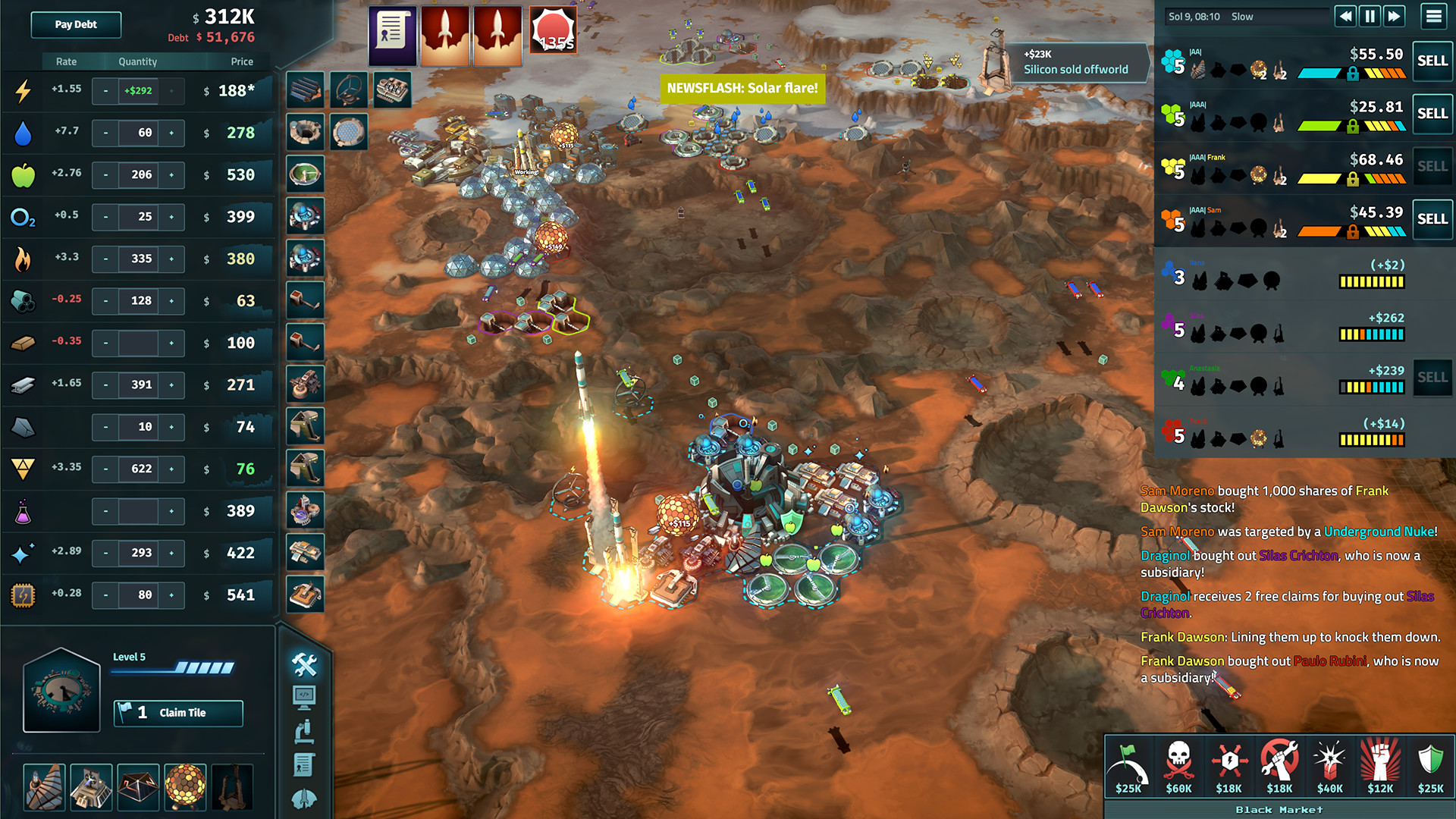
It’s a rare thing to find a game that slots neatly into a genre but doesn’t seem to follow many - if any - of the established rulesofthat genre. Offworld Trading Company is one such game. It’s about offworld colonies, except you’re not worrying about keeping your population happy and healthy. It’s about making big profits, but money is a fluid thing rather than the central resource.
15. Distant Worlds: Universe
14. Europa Universalis IV
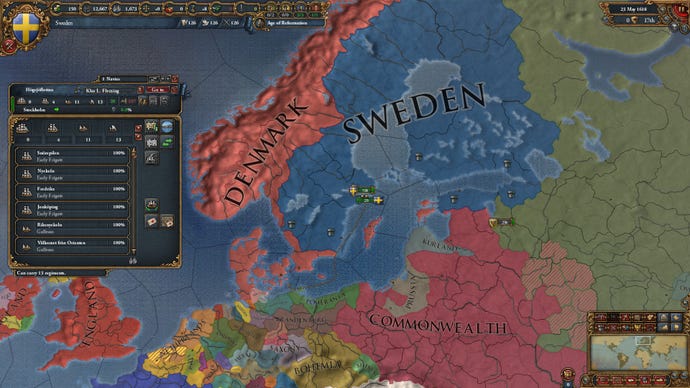
The Europa series feels like the tent-pole at the centre of Paradox’s grand strategy catalogue. Covering the period from 1444 to 1821, it allows players to control almost any nation in the world, and then leaves them to create history. A huge amount of the appeal stems from the freedom - EU IV is a strategic sandbox, in which experimenting with alternate histories is just as (if not more) entertaining than attempting to pursue any kind of victory. Not that there is such a thing as a hardcoded victory.
Providing the player with freedom is just one part of the Paradox philosophy though. EU IV is also concerned with delivering a believable world, whether that’s in terms of historical factors or convincing mechanics. With a host of excellent expansions and an enormous base game as its foundation, this IS one of the most credible and fascinating worlds in gaming.
13. Mutant Year Zero: Road To Eden
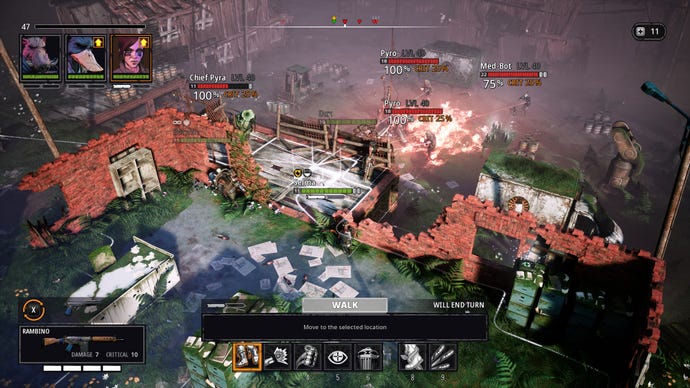
A duck and a boar walk into a bar… sounds like the setup for a terrible joke, is actually the beginning of a quite excellent tactical adventure based on the tabletop RPG of the same name. Of course, walking in anywhere is ill-advised in Mutant Year Zero, a game that hinges on you sneaking through large playpens to choose your angle of attack or pick off stragglers to thin the horde before noisy turn-based tactics commence.
It’s the viability/necessity of stealth that gives Mutant Year Zero its distinct flavour, as you study awareness ranges, split and slink your party of three into ambush points and pray that probability is on your side. What could easily devolve into sterile optimization is spiced up with quirky mutation abilities - mind control, butterfly wings, weaponised gardening - and a pool of heroes you’ll switch between to meet the varied challenges of bandits, robots and mutants.
It’s also a rare game to achieve a lot of storytelling with little interruption, as short, characterful banter establishes our warriors and fills in the gaps in the enjoyable lore - it’s our world, but set in a distant enough future that everyday junk has taken on mythic importance. It’s funny and light on its feet, and how many games in this list can claim that? For extra fun, get the Seed of Evil DLC, too - it has a fire-breathing moose. How many games in this list can claimthat?
12. StarCraft II
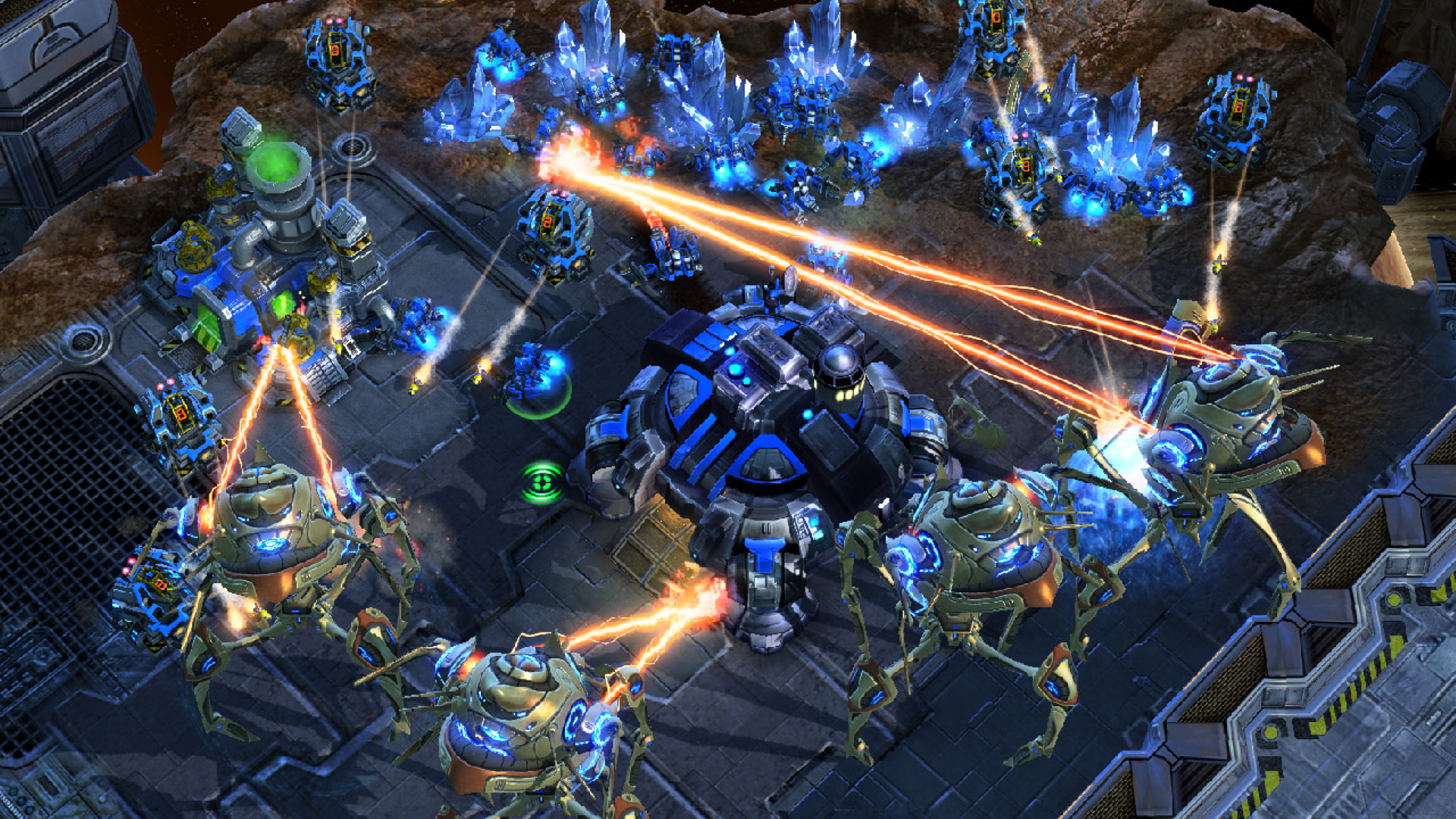
StarCraft II is the Platonic ideal of the micro-heavy multiplayer RTS game. Watching expert players at work is bewildering, as the clicks per minute rise and the whole game falls into strange and sometimes unreadable patterns. According to the StarCraft Wiki, a proficient player can perform approximately 150 productive actions per minute.
“Oh bother”, you might be thinking, “I usually only click my mouse 150 times a year unless I’m photoshopping bees onto a picture of a politician’s face.” Fear not. StarCraft II may be included here because it has perfected an art form that only a dedicated few can truly appreciate, but its campaigns contain a bold variety of missions, and bucket loads of enjoyably daft lore. Though its dour single-player campaign is a big ol' nope in terms of storytelling, most recent expansion Legacy of the Void has an Archon mode that even offers two-player coop, so you can share all of those actions per minute with a chum.
11. Total War: Warhammer II
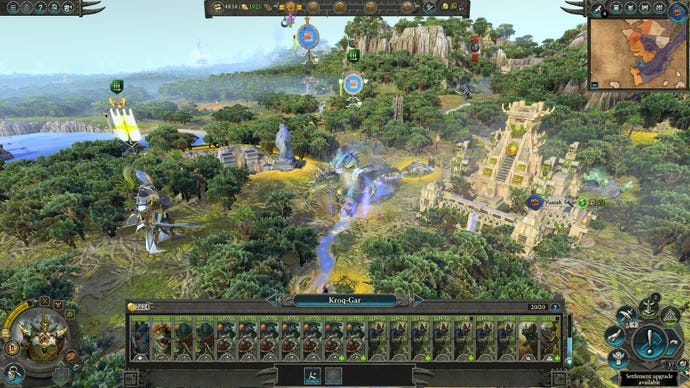
For all the praise heaped on Total War: Shogun 2 and Three Kingdoms, there’s one thing they seriously lack. Monsters. Total War: Warhammer II, however, solves the series' Vitamin M deficiency with aplomb. Technically, this game is more like an absolutely titanic piece of DLC for the original Total War: Warhammer than an actual sequel. While it has its own set of factions and its own campaign map, its true glory is arguably in its Mortal Empires campaign, which mashes together the maps and faction sets for both games for a beautifully bloated experience. It would be worth the asking price for that alone.
We contemplated replacing T’Warhammer II with the newer T’Warhammer III in this 2022 re-ranking, but as much as we love Creative Assembly’s latest monster epic, it’s still the middle sibling of this now trilogy that holds fast in our hearts - if nothing else, it has years and years' worth of expansions and free updates to delve into on top of the main campaign. Given the massive differences between factions (skeletons, vampire pirates, Aztec lizards and cannibal goatmen are just the tip of the iceberg), the game arguably offers much greater replayability than any others in the series, too.
10. Age Of Empires II: Definitive Edition
Image credit:Xbox Game Studios
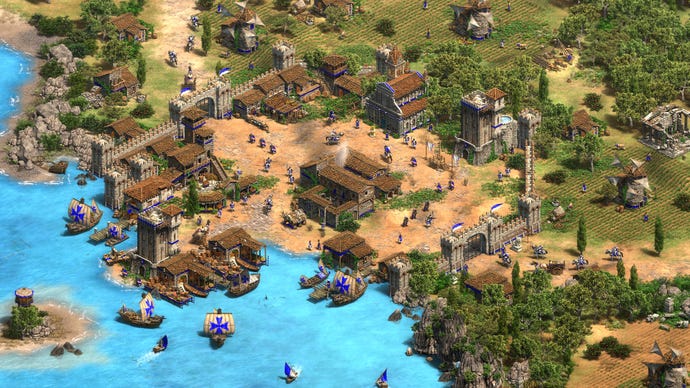
With 35 civilisations to play as, 136 single-player missions over 24 campaigns, more multiplayer maps than we can be arsed to count, and even a built-in training mode to get people up to speed for multiplayer, it’s more than double the size of the original game, and hundreds of hours' worth of fun even before you start fighting other people. If there had never been an AoE2, and this had been released out of nowhere in 2019, it would have blown people’s minds. Long live the (age of) king(s).
9. Invisible, Inc.
Image credit:Klei Entertainment
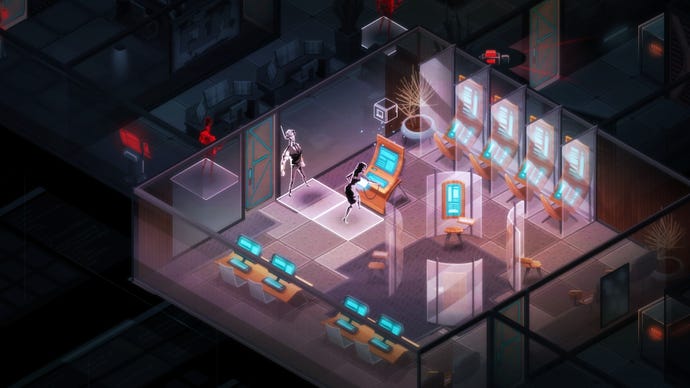
A few years ago, claiming that Mark of the Ninja was anything other than Klei’s masterpiece would have been considered rude at best. That the studio have created an even more inventive, intelligent and enjoyable game already seems preposterous, but Invisible, Inc. is exactly that. And, splendidly, Invisible, Inc. is one of the greatest tactical games ever made, its focus on just a few controllable units making for scenes of incredible tension. It’s the kind of game where you throw your hands in the air at the start of a turn, convinced that all is lost, and map out a perfect plan ten minutes later.
The reinvention of the familiar sneaking and stealing genre as a game of turn-based tactics deserves a medal for outstanding bravery, and Invisible, Inc. might well be the best wholly original turn-based game released in a decade. Everything from the brief campaign structure to the heavily customizable play styles has been designed to encourage experimentation as well as creating the aforementioned tension. This is a game which believes that information is power, and the screen will tell you everything you need to know to survive. The genius of Invisible, Inc. is that it creates such drama and tension within its infinite procedural environments, which adjust themselves according to your personal desires.
8. Sid Meier’s Alpha Centauri
Image credit:EA
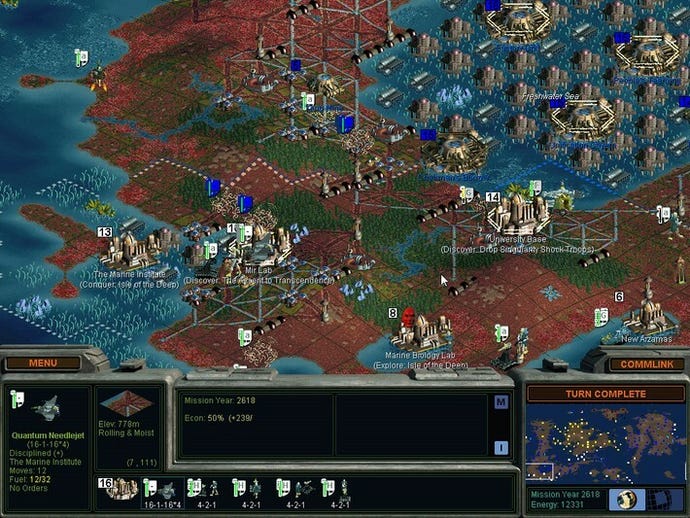
It could have been a re-skin - Civilization III in all but name - but Alpha Centauri radically rethinks the basic building blocks of 4X gaming, beginning with the planet itself. Discarding the idea of terrain types, Firaxis created a procedural system that mapped contours and climate to create believable hills and valleys, along with the water that flows across them. As the game continues, seems that the process of colonising is a reversal of Civilization, in which fertile plains become industrial scars. You are creating a paradise rather than working one into destruction, or so it seems. Of course, that’s not the whole story. There was already life on this ‘new’ planet, after all, and there’s still life in Alpha Centauri and will be for decades to come.
7. Stellaris
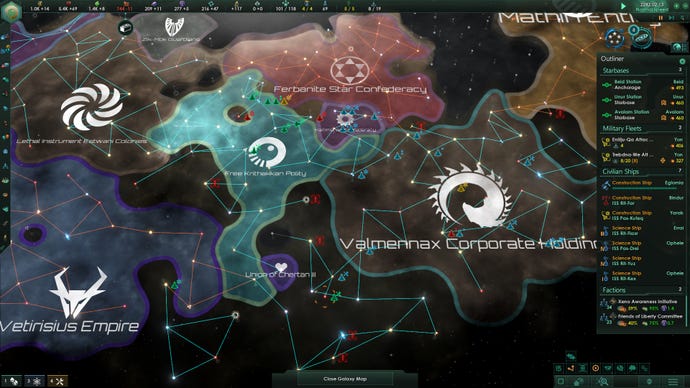
Paradox’s first foray into galactic-scale 4X had a bit of a rocky start in life, but a slew of big updates and even bigger DLC expansions has seen Stellaris continue to evolve into something far more impressive, and most importantly more varied, than it once was.
Paradox often sticks with its games for the long-haul, as we’ve also seen with the likes of Crusader Kings II and Cities: Skylines, but so far it’s Stellaris that has benefited most from this approach. Whole systems have been ripped out and replaced in the name of slicker and smarter galactic empire-building. Its tussle of space civilizations is now vast and strange, all gene wars and synth rebellions alongside the more expected likes of imperialistic aliens, and it’s a whole lot better set up for pacifistic play than it once was too. This empire has very much struck back.
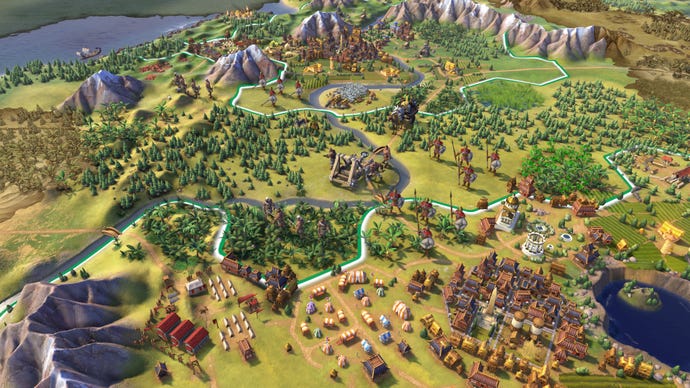
6. Sid Meier’s Civilization VI
Image credit:2K
5. Desperados III
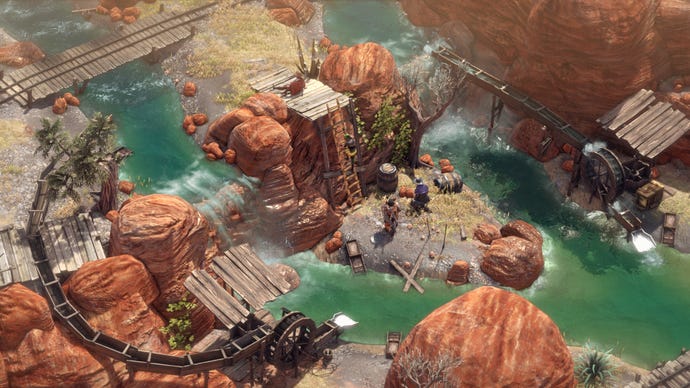
Picking between Desperados III and Shadow Tactics took an afternoon of beard stroking; but if Mimimi’s real-time stealth tactics adventures have taught us anything, it’s the value of carefully considered actions. Reinvigorating a sub-genre left dormant since the glory days of Commandos and Desperados, the German studio remind us of the pleasures of shuffling tiny murderers through dioramas, under the watchful - not to mention very green, and triangular - eyes of nervous bandits. Add an elegant, communicative interface and smart, interlocking character abilities and it’s the best the genre has been.
A couple of vital tweaks see the cowboy-flavoured variation win out over the 2017 ninja adventure: for starters, the ability to fully freeze the action and program in multiple character moves for grand coordinated takedowns. While a key feature of Shadow Tactics, time continued there, making this the more surgical application. Secondly, the introduction of social stealth, a la Hitman, adding more variety as you encourage bandits to have ‘accidents’ around rodeo bulls and plot an audacious kidnapping from a grand party. Achieve it without mind control darts and we salute you. Yep: Desperados III is rootin' tootin' grade-A snoopin'.
4. Crusader Kings 3
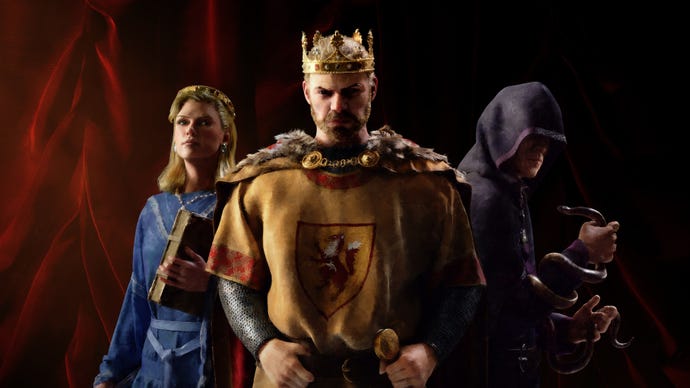
The Crusader Kings games are strategy/RPG hybrids. While you’ll spend time commanding troops and conquering territory, you’ll also fret about the day to day life of the ruler you’re controlling. You’ll worry about the rival ambitions of your vassals, wonder whether your scornful wife is mad about the dirty dishes or outright plotting to kill you, and dread the charmless idiot your daughter just married. The stakes of these family dramas are every bit as important as your southern front, because when your ruler does eventually collapse in the throne room, you’ll assume control of their heir, and have to live on with all the consequences of your previous actions.
3. FTL: Faster Than Light
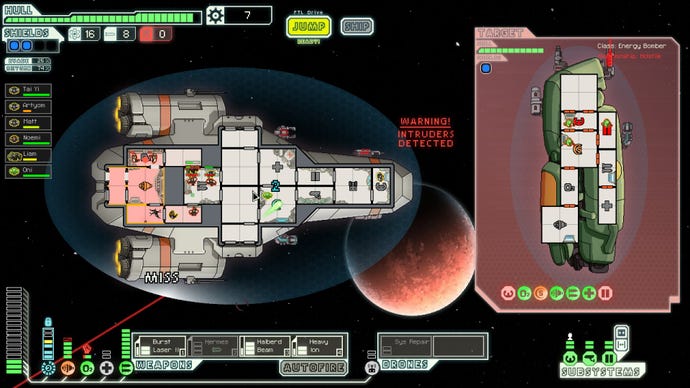
Umpteen games offer the fantasy of being a roguish spaceship pilot, but a childhood spent watching Star Trek might leave you with different life goals. A fantasy in which there are enemies on the view screen, fires in the engine room, and your survival is reliant on a mysterious alien passenger you picked up at the last planet you visited. FTL revels in creating science fiction scenarios like this.
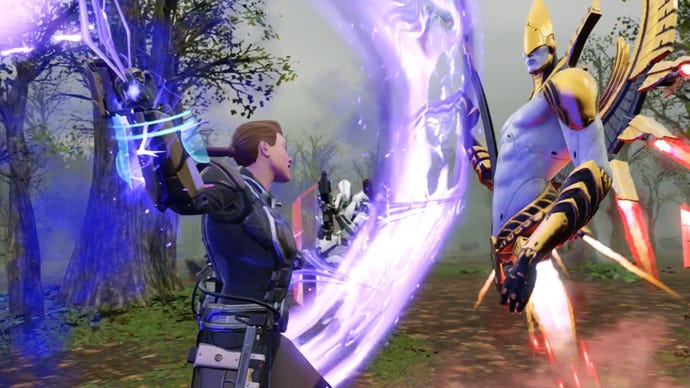
2. XCOM 2
1. Into The Breach
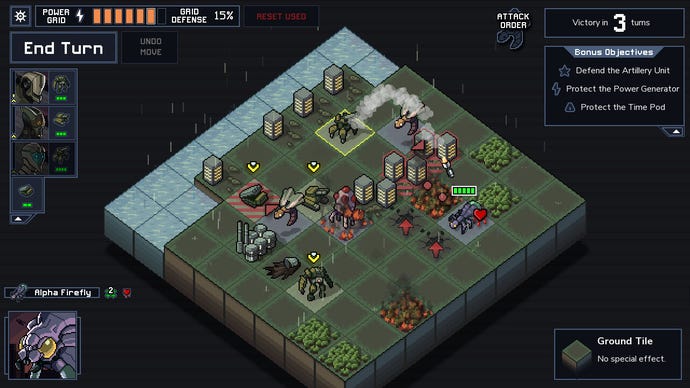
An instant-classic masterpiece that doesn’t even remotely try to tell us it’s a masterpiece. It just gets on with the job.
Off the list
This doesn’t mean that we don’t still love these games, or that they won’t be featured here again in the future, but right now they just fall short of that top 50 cut-off.
