HomeFeaturesSurviving the Aftermath
Surviving The Aftermath… of the early access city builder crazeThey are billions (early access city builders, that is)
They are billions (early access city builders, that is)
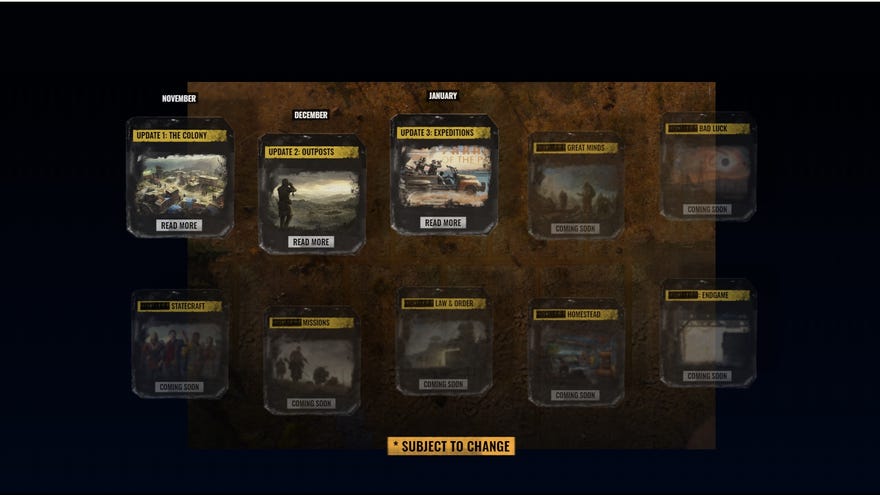
It’s been three and a half months since Paradox Interactive announced - and simultaneously released into early access - post-apocalyptic city builderSurviving The Aftermath. And while I still haven’t worked out whether I think the game’s experimental development plan was a good idea or not, I can certainly respect how developer Iceflake Studios, and their publisher, are sticking to their guns. And their schedules, for that matter: Iceflake have just announced that the game’s fourth update, ‘Great Minds’, is about to be released, as per the launch plan of a year of monthly updates, before full release (and yes, arrival on Steam) late on in 2020.
I spoke to Lasse Liljedahl, the game’s director at Iceflake, and Nikhat Ali, its lead producer at Paradox, last week. Ostensibly, the plan was to talk about what’s coming in update four. And hey - there was a lot to talk about; they’ve been busy. If you’d like to, you can read everything I would have detailed onthe game’s site. But respectfully, I couldn’t help but feel more interested in the process of making the game, than the game itself - at this point, at least. Here’s why.
City and colony management/building games - let’s just call them city builders for ease - are popular subjects for early access games, as you can lay a playable foundation for one relatively easily, even as a lone dev or a small team. Since they’re geared towards free-form ‘sandbox’ play, there’s no prerequisite need for early versions to have a beginning, a middle or an end, as there would be in the case of, say, an RPG. You just need to code a bunch of systems that keep each other going in a pleasing little loop of harvesting, constructing and further harvesting, and there you go - you’ve technically got a game. After that, it’s just a case of adding more and more features, with the aim of extending playtime and replayability, and giving it some kind of thematic identity.
Rip in peace, Towns.
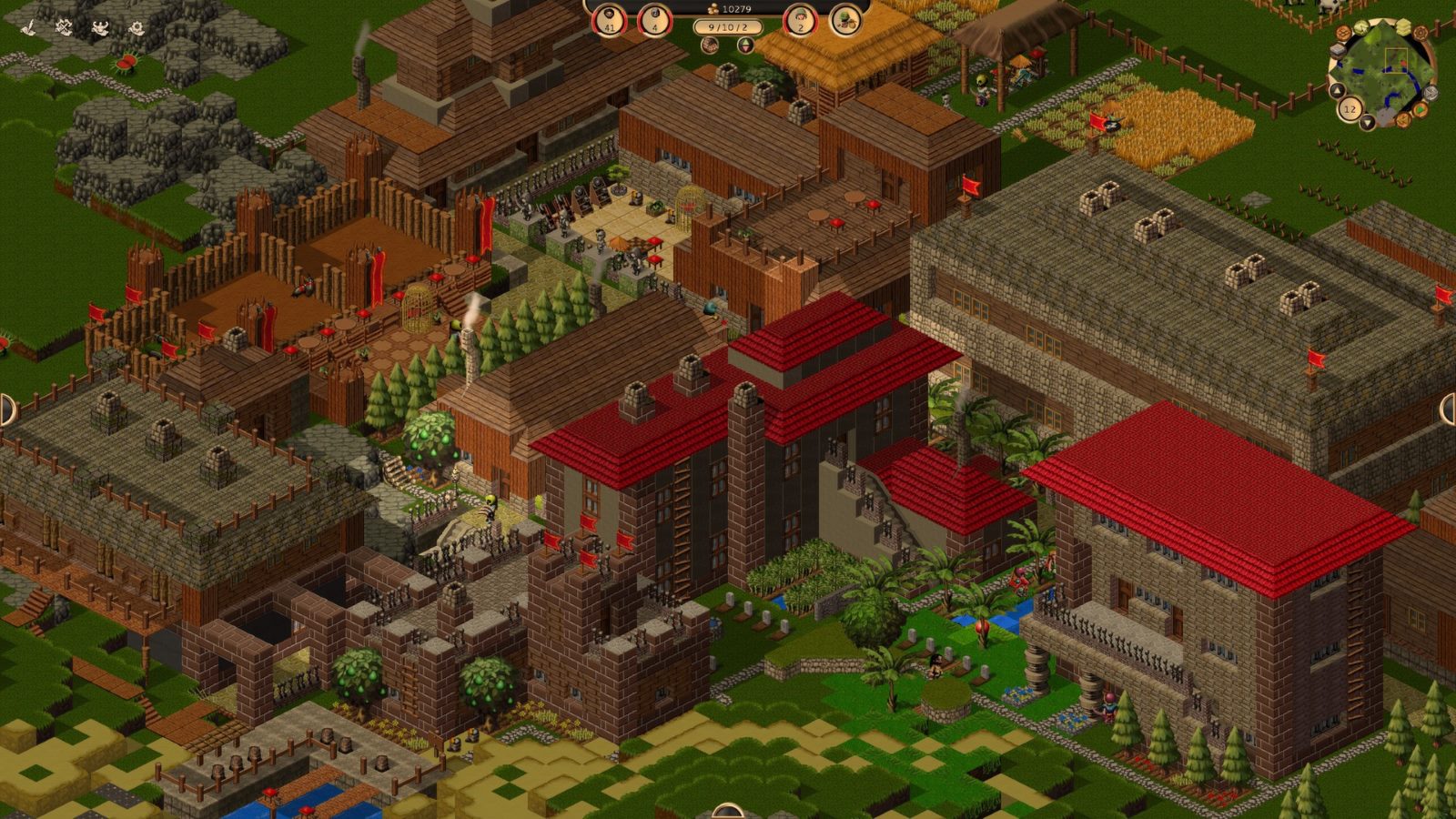
There are many examples of this sort of consideration. Indeed, what I really like about the two companies’ approach to StA, is how committed they are to community feedback as a whole. They’ve got a little ladybird icon on the game screen itself, which allows players to submit bug, complaints and suggestions directly to Iceflake. I mean, yes, this is a smart way of getting QA work for free, but in fairness, Iceflake do much more than just talk a good talk when it comes to listening to their players.
“Some of the features to do with managing outposts on the world map were actually planned for implementation way down the line,” says Ali, “but the community was very curious about that, and wanted it earlier, so we rearranged the order of the roadmap to make it the focus of the second update.”
The problem is - and this is going to sound way more brutal than I mean it to - it’s not much of a community. From the research I’ve done, there seems to have been way less buzz around StA than I had expected on launch day, and while there clearly are people playing, (and they’re good people!) they’re not exactly a teeming crowd. And honestly, this is not the game’s fault. As I said, it’s early days yet, and…
And indeed, while I respect the fact StA does havesomeunique systems and features, I don’t think they’re prominent or game-changing enough for players to decide that this title, of all the many others like it, should be the one they pay attention to. As I said earlier, StA plays pretty much exactly how you would expect and want a city builder to play, four months into early access.
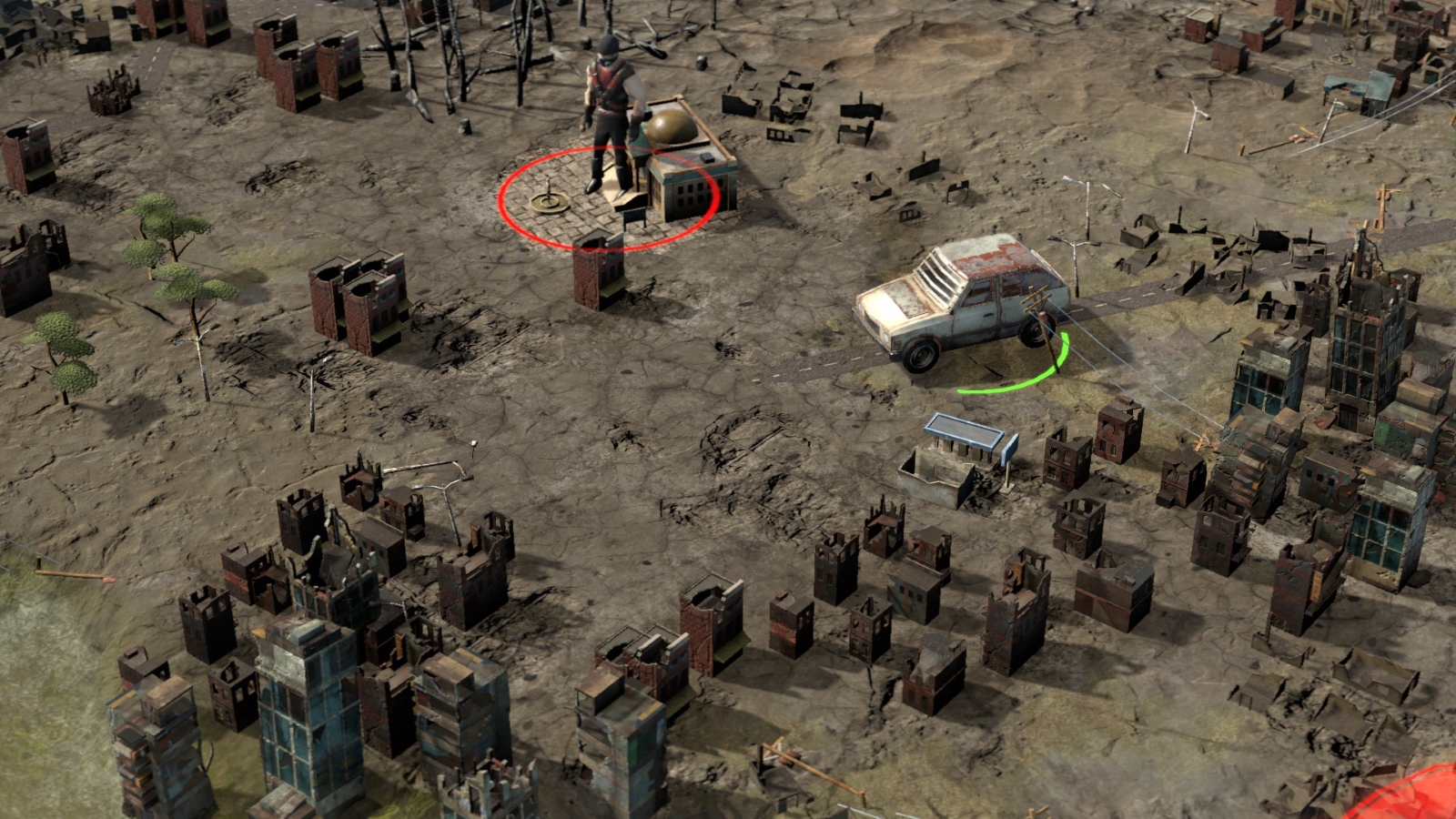
I felt really bad after my call with Liljedahl and Ali, because I’d really wanted to write an article about how StA was taking a novel approach to the classic local map/world map formula as seen in Rimworld,Frostpunkand the like, but although the model they’ve put in place is plenty of fun, I couldn’t in good conscience say there was anything strikingly unique about it - at least not yet.
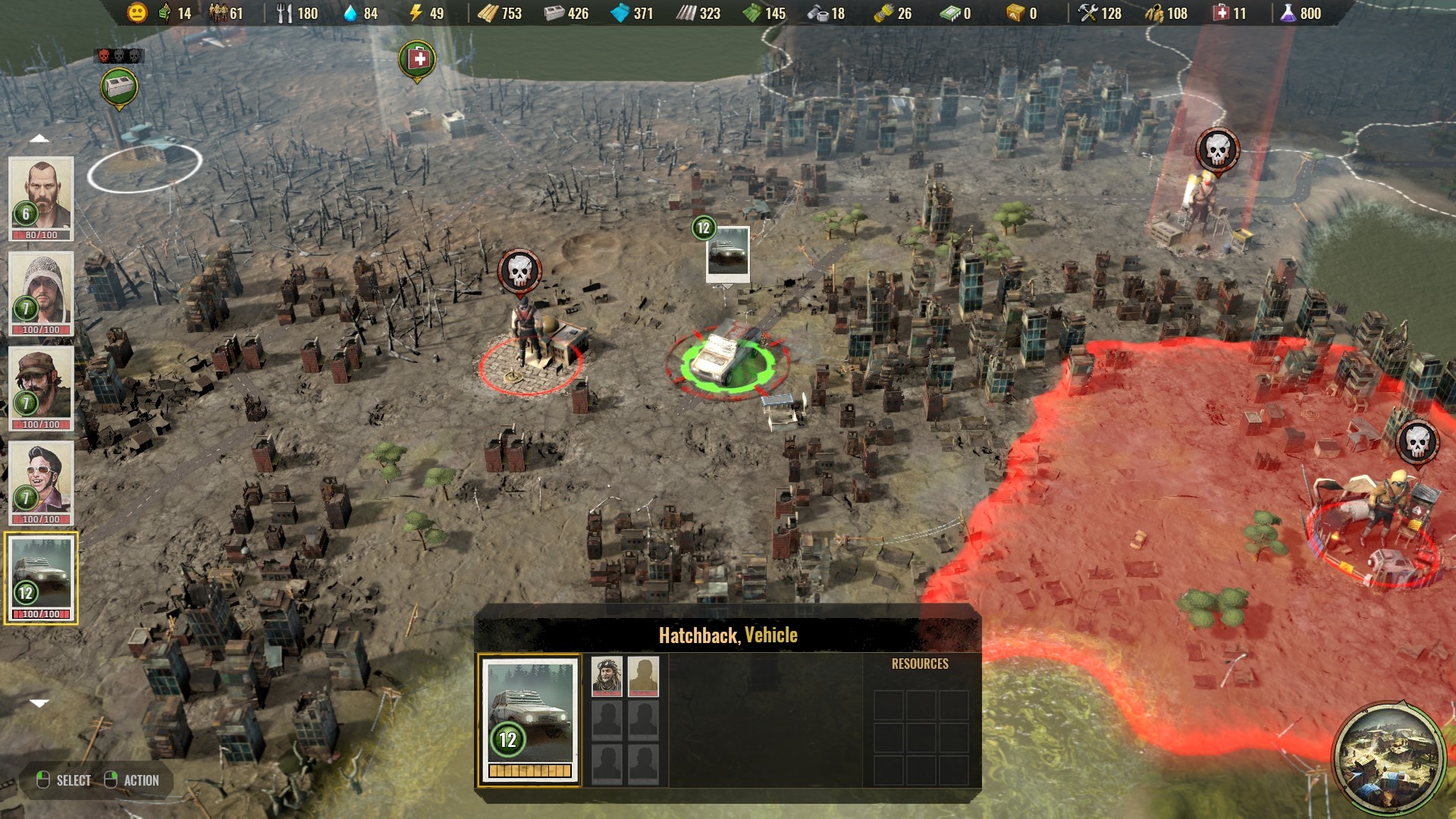
That’s not to say Iceflake have been uninspired or derivative in their approach to the world map - or to resource gathering, faction diplomacy, trade, and all the other near-mandatory components of a city builder. There are just so many damn games out there of this sort, that it’s reached an “infinite monkeys on typewriters” situation, where whatever design approach you take, you’re almost certain to end up making “Frostpunk, but…” or “Banished, but…”, or “The Settlers, but…”
I think the days of runaway successes in the early access city builder genre are possibly over. Or at least, we’re a lot less likely to have another Rimworld on our hands any time soon, precisely because of the number of entrants to the genre, all hoping for similar success. It’s lightning that’s no longer there to be bottled.
To really stand out from the crowd now, you need to either do something wildly different from day one (enterDwarf Fortress, which in the void of infinite typewriter monkeys is a gorilla, shredding on an electric guitar, in a glorious pixellated hell that it never wants to leave), or see your project through to the point of maturity where it’s got a lot less competition, and can really gain attention.
Pictured: Dwarf Fortress

I’ll definitely be keeping an eye on StA this year, and I’d recommend you do too. Still, I can’t help but feel Iceflake and Paradox could have saved themselves alotof deadline stress, if they’d just decided to release the game in its full form later this year, and not created all the extra work that such a regimented early access programme as StA’s entails. Besides, once the game was out, they could have just done what Paradox does best, and give it regular updates after release anyway.
Still, what’s done is done, and it’s only February. There’s a long year ahead of Iceflake yet - here’s hoping the game finds its identity, out there in the wasteland.
