HomeReviewsSea of Stars
Sea Of Stars review: a slick RPG that harks back to the Chrono Trigger classicsYou’ll probably be over the moon about it
You’ll probably be over the moon about it
Image credit:Sabotage Studio
Image credit:Sabotage Studio
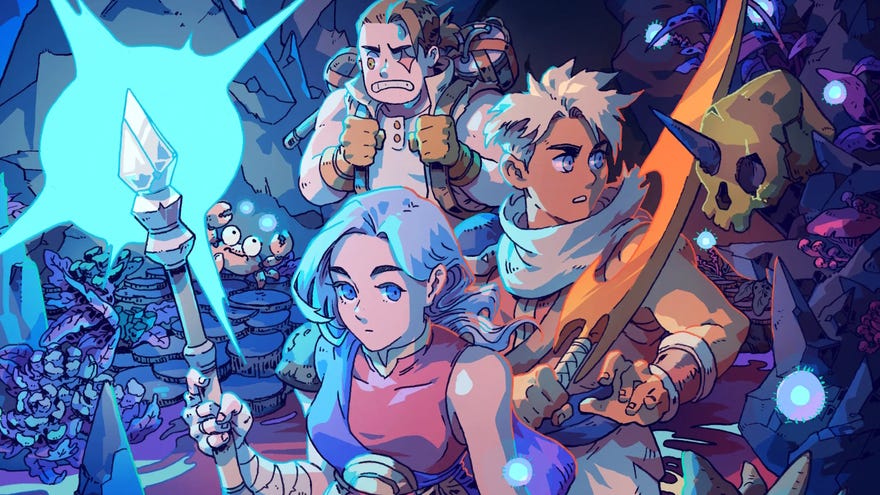
Many attempts have been made to recapture the JRPG’s glory days. In Tokyo RPG Factory, Square Enix founded a whole studio dedicated to the craft, and more recently Squeenix’s “HD-2D” style has come to define both their ownretroworkandthatofothers. But it’s arguably the RPGs from outside Japan that have been doing a better job of propping up the SNES nostalgia tent. Last year’sJack MoveandChained Echoeswere both infinitely more refreshing to me than the slightly tiredBravely DefaultandOctopath Travelersequels, for example, and now we haveThe Messengerstudio’s latest,Sea Of Stars, which is probably one of the few Japanese-inspired RPGs I’ve played in the last decade that’s even come close to bottling the mightyChrono Triggerand lived to tell the tale. If you’re the sort to cry, ‘They just don’t make ‘em like they used to anymore’, well, you can dry your tears, because Sea Of Stars is the one thatis.
This is a handsomely made RPG that follows Zale and Valere, two children of the Solstice who, due to their fortuitous birthdays on the celestial calendar, have been chosen to become magical, world-saving warriors. Their destiny is to cleanse the world of its evil Dweller monsters so the rest of humankind can continue to live in peace and harmony, and what follows is exactly the kind of grand, hero’s journey fare you might expect. There are twists and turns aplenty as you cover the breadth of its island-based world map, relentlessly good and upbeat protagonists to befriend, and just a dash of fate-altering timey-wimeyness. It might not have the deep, narrative consequences of something like Chrono Trigger, but it moves along at a similarly decent clip, and maintains its momentum across its 30-odd hours much better than, say,Eastward ever did.
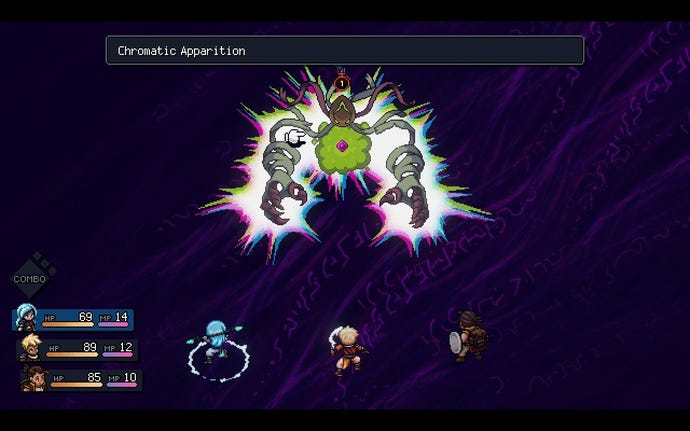
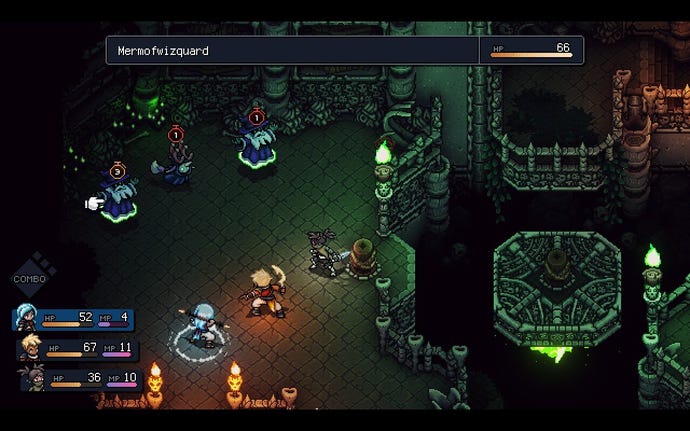
There’s a lot to dig into with its turn-based battles, such as manipulating enemy positions, time-based button prompts, and using extra soul magic (those floating little orbs) garnered from regular attacks to bolster the rest of your moveset. |Image credit:Rock Paper Shotgun/Sabotage Studio
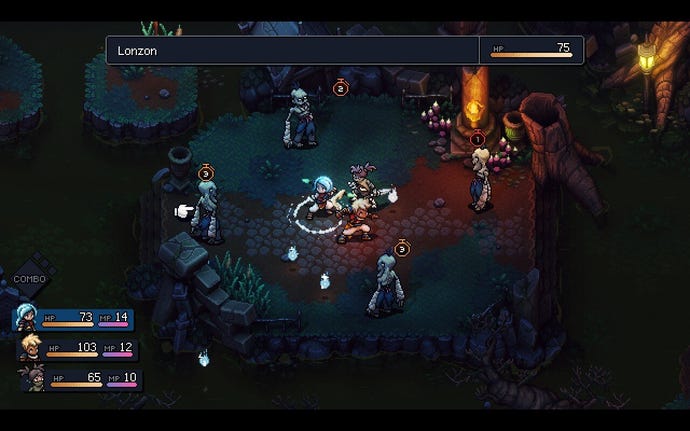
The real stand-out, of course, is its turn-based battle system. With monsters roaming the map in plain sight, combat never comes as a surprise, and your party of three will instantly leap into action right there on the map. It borrows and pilfers from other RPG systems brilliantly, mixing the timed button presses of the Mario & Luigi games to deal extra damage with Chrono Trigger’s character-based combo attacks to satisfying effect. Regular attacks will also recharge your limited pool of magic points, and later you can sub in extra party members at no cost, just likeFinal Fantasy X.
It’s also not the type ofRPGthat requires you to grind, as the number of fights available are precisely calibrated to be exactly what you need to face its spectacular bosses. You’ll still need to fight everything you see, mind - if only because they’re mildly impossible to avoid - but this isn’t an RPG that forces you to backtrack or spend ages flip-flopping between area boundaries to refresh its local monster count. Instead, Sea Of Stars makes levelling up feel like an event - you’ll maybe do it once per hour, if that, and when you do, you’ll spend a good minute or so deciding which of your stats you want to pump to an extra bundle of points into. Magic points, for example, are always at a premium - even 15 hours in, you’ll probably only have enough to cast two spells max before having to switch back to melee attacks to recharge it - and this sense that every point counts is exactly why Sea Of Stars feels so finely tuned and well-balanced.
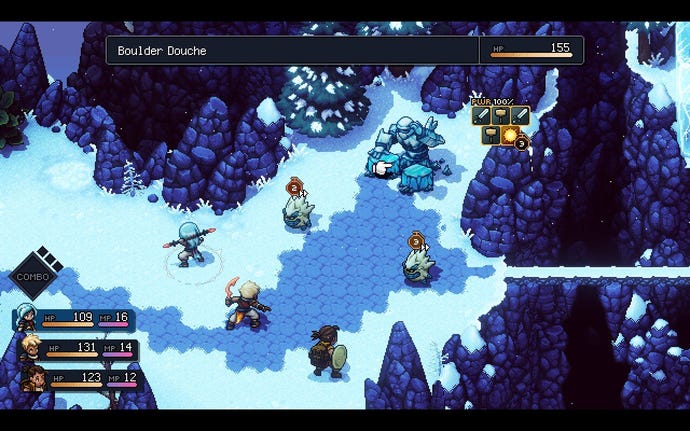
I played the whole of Sea Of Stars on my Steam Deck, and it was an absolute delight being able to play this on the go. |Image credit:Rock Paper Shotgun/Sabotage Studio
It’s all very frictionless, which is fine for the most part, but I think this is the main reason why I can only muster myself to ‘like’ this game as opposed to ‘love’ it. It’s very good at what it does, and I’d happily recommend it to anyone. But it also failed to ignite that sense of wonder and possibility in me thatother JRPGshave done in the past. Even once you have full access to the world map, its islands are gated in such a way that you can only ever follow the main objective, and there’s very little to chew on outside its very good combat system. Its central cast are all go-getting, honourable types with a strong sense of justice and responsibility, and even its villains are pretty vanilla - the kind of obviously evil, dubious agenda followers that we’ve seen a dozen times before.
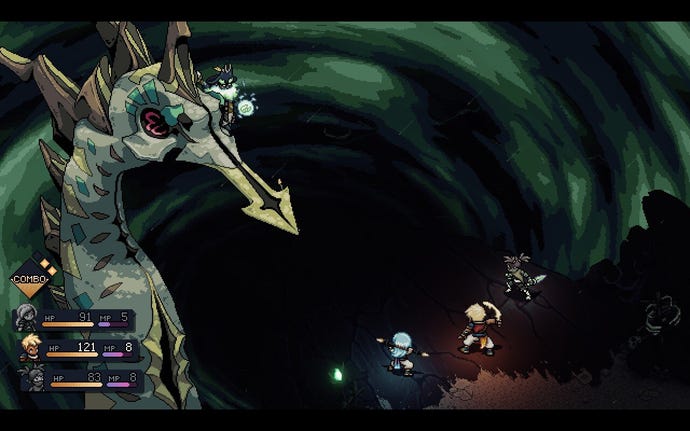
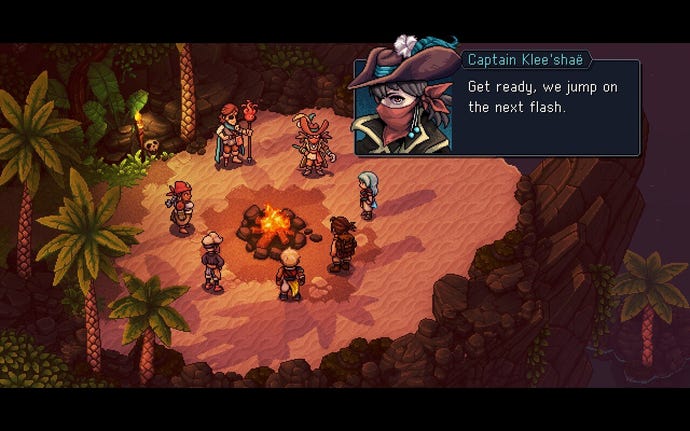
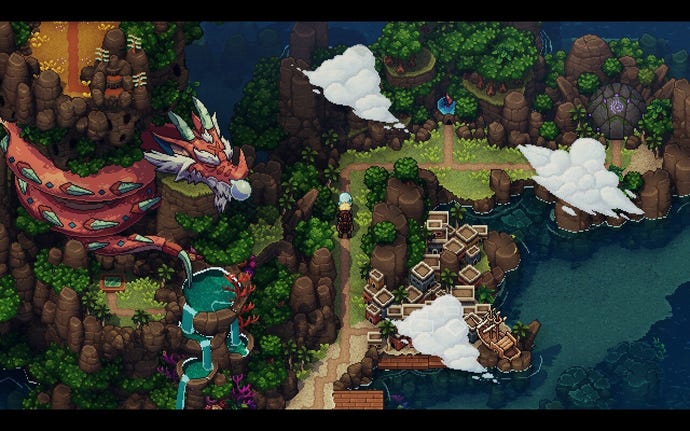
Sea Of Stars’ pixel art is utterly gorgeous, with modern and dynamic lighting effects giving the world a wonderful sense of depth. |Image credit:Rock Paper Shotgun/Sabotage Studio
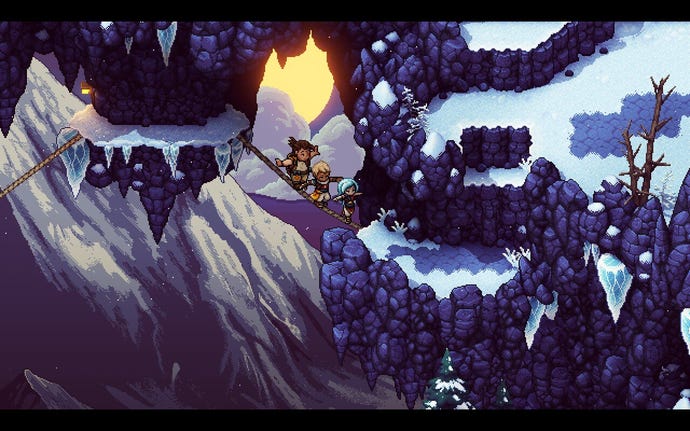
The overworld map is similarly characterful and packed with lovely little details. |Image credit:Rock Paper Shotgun/Sabotage Studio
It is, in effect, exactly like those 16-bit games many of us played in our youth, albeit with a 2023 tech glow-up, and that is perfectly okay. For some, this will be their favourite game of the year, and all the more power to you. For me, though, it’s just lacking that little extra crunch to make it truly special. It’s still the best game like Chrono Trigger I’ve played in a good long while, but to take a more modern example, it’s also a bitFinal Fantasy 16, in that it’s exceedingly polished and well put together compared to what came before it, but it also lacks those weirder, rougher edgeslike those in Final Fantasy 15, say, to give it that loveable, quirkier sense of personality. There’s certainly a lot to like about Sea Of Stars, and it does indeed capture those JRPG golden years to an absolute tee. But if you’re less beholden to the glory of the genre’s past, then you may wish its star burned just a little bit brighter.
