HomeReviewsRöki
Röki reviewHidden folks
Hidden folks
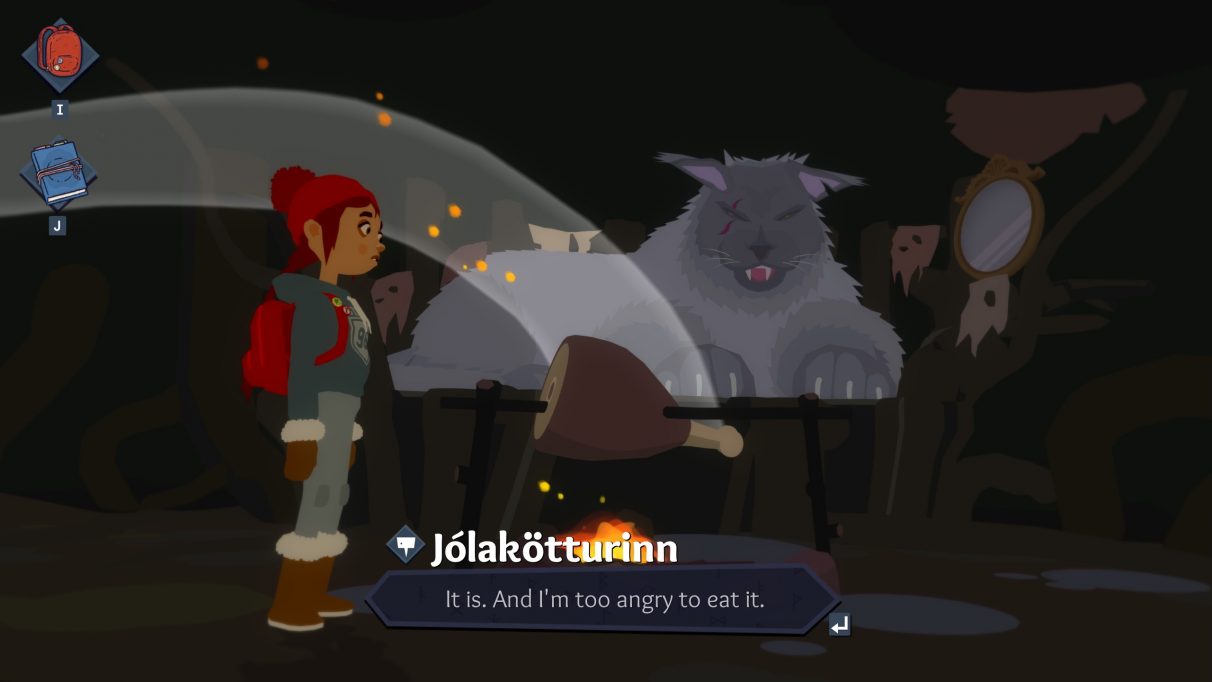
How refreshing it is to have a Scandinavian-inspired story that isn’t about detectives in woolly jumpers unearthing all manner of grisly nasties from the crisp white snow.Röki’s young heroine Tove does do her fair share of digging in Polygon Treehouse’s gorgeous point and click adventure, but instead of dead bodies she’s collecting celestial stone discs, strange sophorus flowers, and jars of sticky black goo so a giant cat can stop their legendarily dark fur from going grey and ruining his carefully cultivated myth status.
It wouldn’t do to disappoint the locals after so much time spent hibernating underground, of course. Giving a cat the equivalent of a post-lockdown haircut is more than a fair trade for not being eaten, I reckon - especially when it means you can snatch the giant, succulent ham roasting on the fire while your feline friend gazes at their newly dyed locks in the mirror. If only all hairdressers were so generous.
It’s just one of the many charming encounters you’ll have with the fiends and folklore ofRöki’s fairytale Scandi-verse, all of whom have their own problems that need solving before Tove can save her lost brother Lars from the game’s titular furry menace. Like adventure games of yore, Röki splits its endearing coming of age tale into three separate chapters, each of which have their own sprawling setting that you can explore at your own pace. You’ll find all manner of items scattered all across its achingly beautiful storybook landscape, and the meat of the game will be spent ferrying them across the map as you try and find a way forward.
Fortunately, Röki’s puzzle-packed locations all click together with the ease and elegance of an Ikea furniture set. Indeed, some of the items Tove squirrels away in her backpack will require at least a little bit of assembly as you combine them in her inventory to create new objects to help you in your quest, but most of them are reasonably straightforward and never demand obscure leaps of logic to solve the matter at hand.
This is not a game about chucking everything at the wall and seeing what sticks. Instead, Röki takes a much more measured approach to traditional point and clicking, giving you just enough items to keep you grey cells ticking over without being overwhelming. I don’t think I ever had more than ten objects in play at any given time, for example, but there were still moments where I had to stop and think a moment about where I needed to go next.

Speaking of Röki’s many trees, one of its more pleasing upgrades to the genre is a handy fast-travel system, letting you teleport around the map using their ancient rootways to help speed up its puzzle solving. I love gawping at Röki’s stunning 3D environments as much as the next person, but being able to zip across its surprisingly large map was always greatly appreciated.
This system sadly doesn’t carry over to the third and final chapter, which makes it feel slightly more of a slog as a result (in addition to extra things I won’t spoil for the sake of the story). For the most part, though, Röki’s bright and breezy approach to point and click puzzling does a tremendous job of shaking off the old dusty cobwebs of this ageing genre, making it feel light and fresh for the modern day.
In fact, Röki feels so in tune with modern sensibilities that you could almost say it’s gone too far the other way when it comes to controls. Despite this type of game being very much rooted in the hallowed tradition of a mouse and keyboard, Röki plays best on a game pad. Its mouse and keyboard controls are serviceable, but it does a very odd thing with your mouse where it forces you to scroll through items in your inventory with slow, unintuitive sideways swipes instead of giving you a cursor. In the end, I ditched my mouse altogether and just used my keyboard to cycle through my inventory, as the WASD keys were a much better tool for dragging and dropping them into the environment.
Still, minor mouse quibbles aside, Röki is a beautifully executed adventure game that really punches above its weight for such a small development team. This is a game with huge heart, because as well as hiding dozens of clever puzzles inside its blindingly pretty artwork and endearing cast of creatures, its underlying story about grief, loss and family ties is just so exquisitely drawn that I feel like giving it a standing ovation.

To say literally anything about it would spoil its knuckle-biting impact, but I haven’t played a game whose story and gameplay mechanics have been so brilliantly intertwined like this sinceWhat Remains Of Edith Finch. There is no extraneous fat here, and even initially simple tasks like cleaning up after Lars at the beginning of the game, or humdrum items like bags of fertiliser that Tove complains are stinking up their house, take on unexpected levels of significance further down the line.
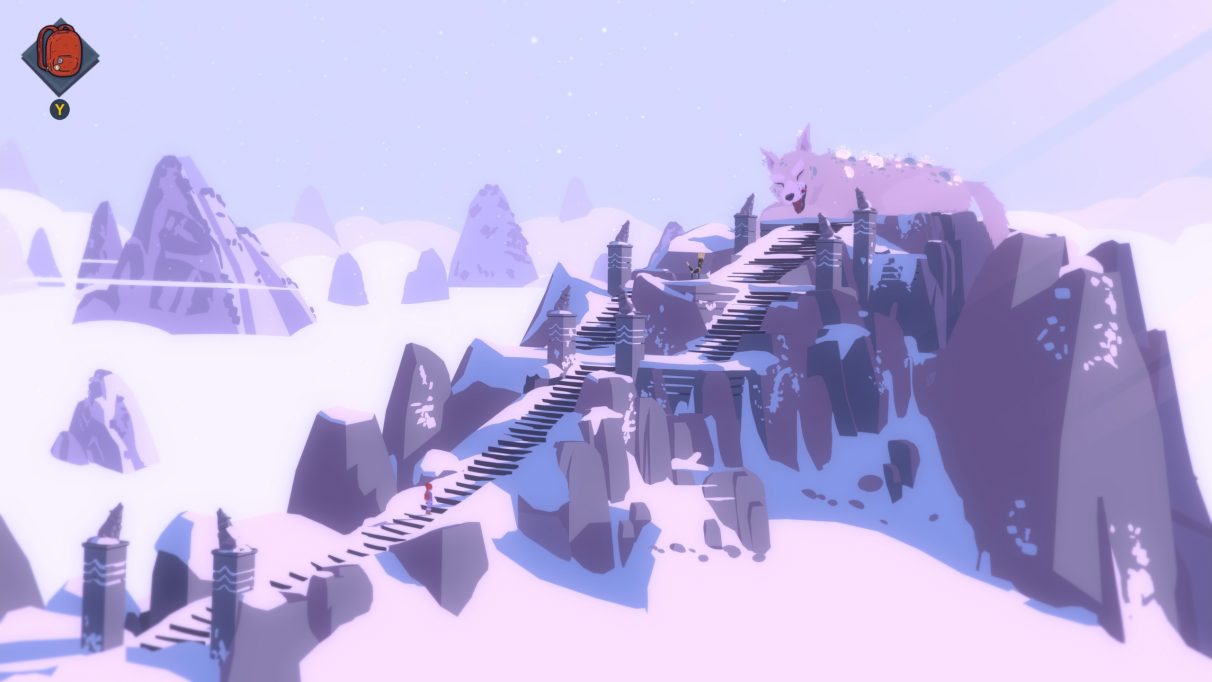
It is a game of surprising depth, and while Röki’s point and click backbone may prevent it from delivering the constant, one-two gut punches we saw in the likes of Edith Finch, this is certainly one of the closest attempts at capturing its mechanics-led story structure I’ve seen since. I thought Röki was going to be a cute and throwaway little puzzle game with a light adventure wrapping, but Polygon Treehouse have gone so much further, and so much deeper than I was expecting. Like all great folklore stories, there is a quiet devastation lurking beneath Röki’s picturebook world, elevating this mythic tale of gods and monsters into the pantheon of all-time adventure game greats.
