HomeNewsCall of Duty
Microsoft’s Activision Blizzard acquisition looks more likely than ever after FTC lose court battle“The motion for a preliminary injunction is therefore DENIED”
“The motion for a preliminary injunction is therefore DENIED”
Image credit:Rock Paper Shotgun
Image credit:Rock Paper Shotgun
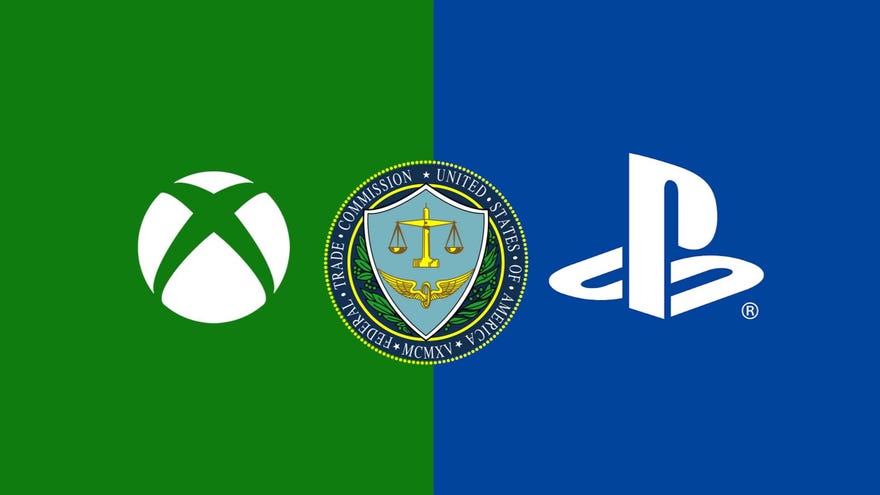
The US Federal Trade Commission (FTC) have lost their fight to block Microsoft’s proposed Activision Blizzard acquisition in court. The legal proceedings led to juicy behind-the-scenes details aboutrevenue shares,blockbuster budgets, and otherpotential acquisitions. But after listening to five days worth of testimonies, Judge Corley has decided to rule in Microsoft’s favour, allowing the company to close its $70 billion acquisition.
12 Exciting New Things We Learned From The Starfield DirectWatch on YouTube
12 Exciting New Things We Learned From The Starfield Direct

“The Court finds the FTC has not shown a likelihood… [that] this particular vertical in this specific industry may substantially lessen competition.” Judge Corley also went on to say the “evidence points to more consumer access to Call Of Duty” under Microsoft’s ownership. Hence, “the motion for a preliminary injunction is therefore DENIED".
Microsoft president Brad Smith took toTwitterto say: “We’re grateful to the Court in San Francisco for this quick and thorough decision and hope other jurisdictions will continue working towards a timely resolution.”
Smith alsotweeteda statement that Microsoft’s “focus now turns back to the UK”, as they consider how the Competition And Markets Authority’sprevious objectionsmight be addressed.
Our statement on the mutual request with the CMA for a pause of our appeal in the UK:pic.twitter.com/8Aky2IJjxS— Brad Smith (@BradSmi)July 11, 2023
Our statement on the mutual request with the CMA for a pause of our appeal in the UK:pic.twitter.com/8Aky2IJjxS
Regardless, the road to closing the Activision Blizzard deal seems clearer than ever for Microsoft.
