HomeHardwareReviews
Intel Core i9-12900KS review: Intel’s fastest gaming CPU yetBut you should probably stick to the Core i9-12900K… or a good Core i5
But you should probably stick to the Core i9-12900K… or a good Core i5
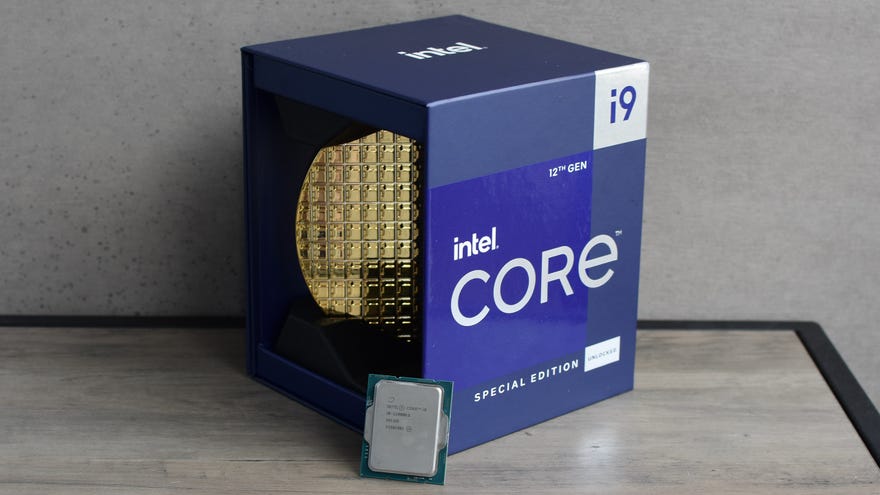
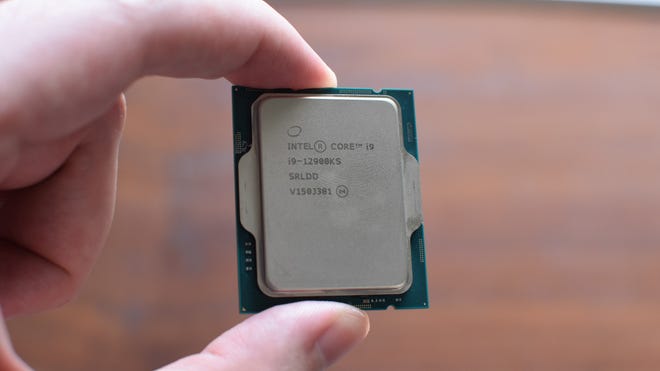
If Intel’s recent takeover of the RPSbest gaming CPUsguide wasn’t indication enough, their latest12th Gen Alder Lakechips are the real deal – especially on pure games performance. This should make the newly launchedCore i9-12900KS, in a way, the realest deal of all: it’s structurally identical to theCore i9-12900K, originally the top-spec CPU in the series, but made with an even more discerning binning process. A component of the highest quality components, if you will, and as such can brush past the Core i9-12900K’s maximum boost clock speed of 5.2GHz to reach a scorching 5.5GHz.
Overwatch 2 PVP Beta Impressions - A Little Too Familiar, But Still Great FunWatch on YouTube
Overwatch 2 PVP Beta Impressions - A Little Too Familiar, But Still Great Fun

They also neatly demonstrate both of the newer Intel chip’s big assets: the higher core clock speeds are responsible for the monster single core performance, while its multicore prowess comes from the signature Alder Lake combination of P-cores and E-cores. As with most of its 12th Gen stablemates, the Core i9-12900KS can more efficiently shunt little chunks of workload onto the cores that are best suited for them – demanding work goes to the P-cores, lighter jobs go to the E-cores. If you also need your gaming PC to juggle media editing or heavy coding, the benefits are self-evident.
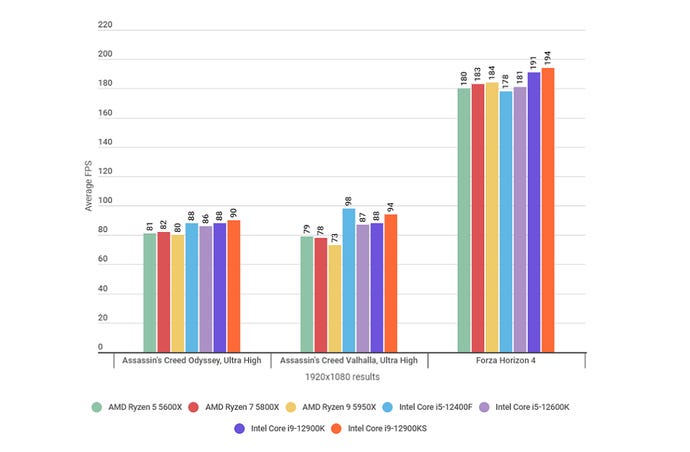
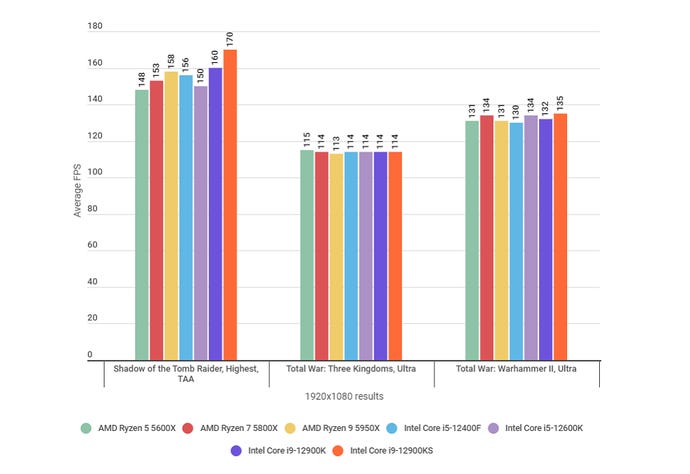
As for games specifically, the Core i9-12900KS comes out on top more often than not. Have a look at these benchmark results, recorded with an RTX 2080 Ti GPU: you can see for yourself that it consistently edges ahead of both the Core i9-12900K and Ryzen 9 5950X. The latter was tested using DDR4 RAM, not DDR5 like all four of the 12th Gen Intel CPUs, but I’ve found thatDDR5 is neither significantly better nor worse than DDR4on current hardware and games.
There is a difference, mind, between being the fastest and being the best. As it was with the RTX 3090 Ti, the underlying fun-killer is money: when the Core i9-12900KS costs £720 / $750, about £120 / $150 more than the Core i9-12900K, you’d expect the gaming performance gap to reflect that difference.
It doesn’t. It’s all well and good averaging 10fps more than the S-less model inShadow of the Tomb Raider, but at 160fps and above you can hardly see the difference. And in almost every other game, there’s either a negligible 2-3fps difference, or none at all. Assassin’s Creed Valhalla widens the Core i9-12900KS’ lead a little, but an extra 6fps just ain’t worth another £120.
And that’s just comparing it to the fellow Core i9. Yes, technically they tend to be a few more FPS behind, but the relatively cheapCore i5-12600KandCore i5-12400Fare competitive with the Core i9-12900KS in everything short ofForza Horizon 4. And, perhaps, Shadow of the Tomb Raider, though in both cases the high frame rates mean 10-20fps discrepancies aren’t as visible as they would be at lower levels. Elsewhere, it’s another bunch of single-digit differences, which makes the value proposition of the Core i9-12900KS even worse.
Besides paying more than you’d need to, choosing the Core i9-12900KS would also mean using more power than you’d need to. Its base power usage – not even maximum draw – is 150W, 25W more than the Core i9-12900K and Core i5-12600K and a gluttonous 85W more than the Core i5-12400F. The Core i9-12900KS is unlocked for overclocking, unlike the Core i5-12400F, but that would also put you into a tricky situation with heat.
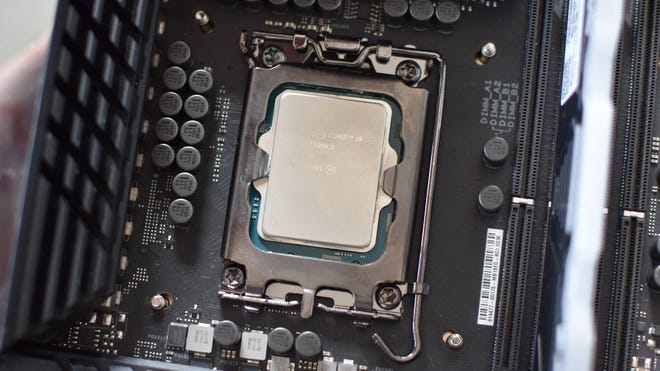
I tested the Core i9-12900KS with an Asus ROG Ryujin II 360, a fairly expensive (but effective) AIO watercooler. When gaming, it doesn’t get dangerously hot, with the warmer P-cores most often keeping in the 44-60°c range. But that’s up to 10°c hotter than the Core i9-12900K, and the P-cores’ 71°c peak was higher too. So the cheaper chip will be easier to overclock on liquid cooling, though both CPUs could also easily hit 100°c (what I like to call the uh-oh temperature) during Cinebench R20 runs. At stock speeds!
I’d say this isn’t too big a deal if you’re just building a gaming PC, rather than a multi-purpose workstation, though if that’s the case then you’re better off forgetting about the Core i9s and just getting a Core i5-12600K (or Core i5-12400F) instead. The Core i5-12900KS’ allure as a carefully crafted record-setter isn’t as strong as the satisfaction you’ll get from saving hundreds on a processor with essentially identical performance.
