HomeHardwareFeatures
Intel Core i9-11900K reviewDown two cores, but still just as fast
Down two cores, but still just as fast
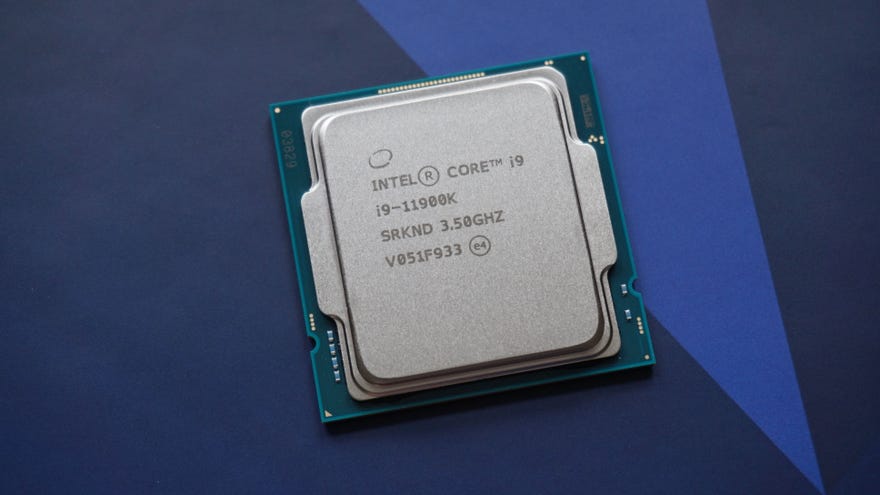
When AMD launched theirRyzen 5000series last year, it quickly became apparent that throwing more cores and threads at a game didn’t necessarily result in significantly faster frame rates. Indeed, unless you regularly use your gaming PC for other intensive desktop tasks such as editing videos, running virtual machines or you’re a full-time streamer, you’re usually much better off opting for a mid-range CPU likeAMD’s Ryzen 5 5600Xthan spending loads of cash on something more upmarket like theirRyzen 9 5900X. The same can be said for Intel’s new Core i9-11900K, their latest flagship CPU in their11th Gen Rocket Lakefamily.
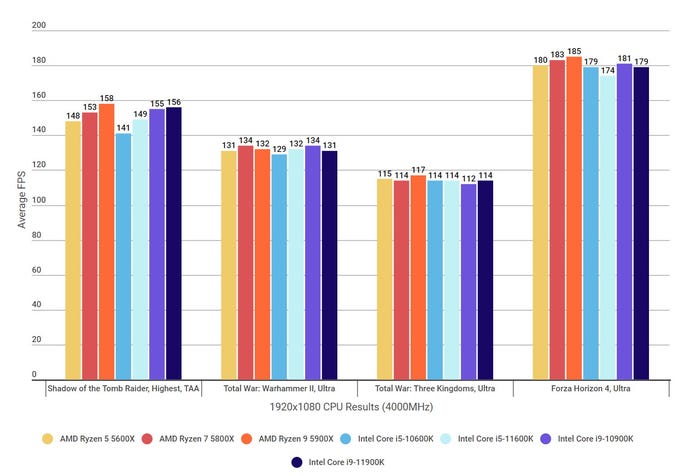
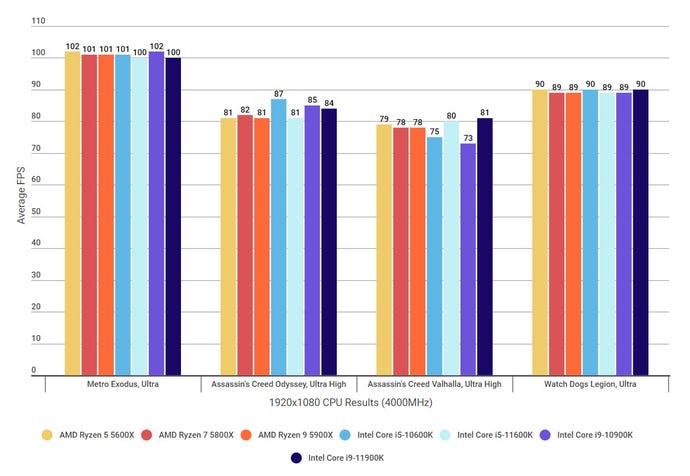
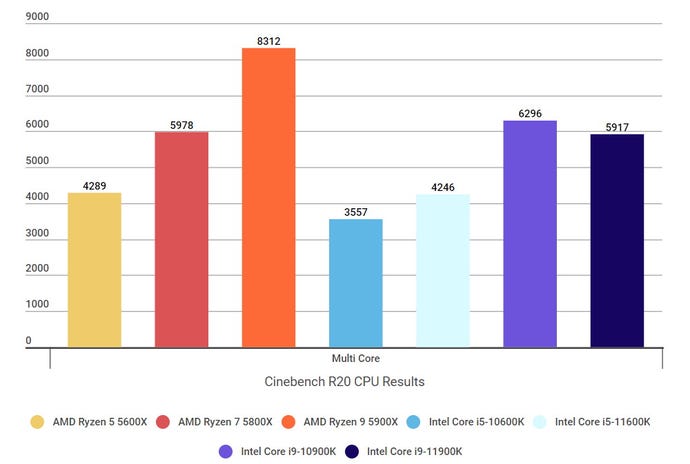
However, if nothing but the best of the best will do for your gaming PC, then the Core i9-11900K is an interesting proposition to AMD’s Ryzen 9 5900X. Having dropped from 10 cores and 20 threads to 8 cores and 16 threads this generation, the Core i9-11900K looks like a veritable downgrade compared to Intel’s previous flagship, theCore i9-10900K, especially when AMD’s Ryzen 9 5900X is still up on 12 cores and 24 threads. When it comes to gaming performance, though, which is my main concern in this review, the Core i9-11900K still manages to hold its own against its nearest competition.
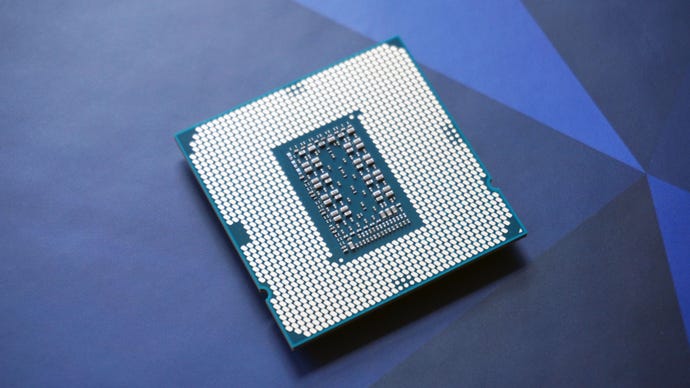
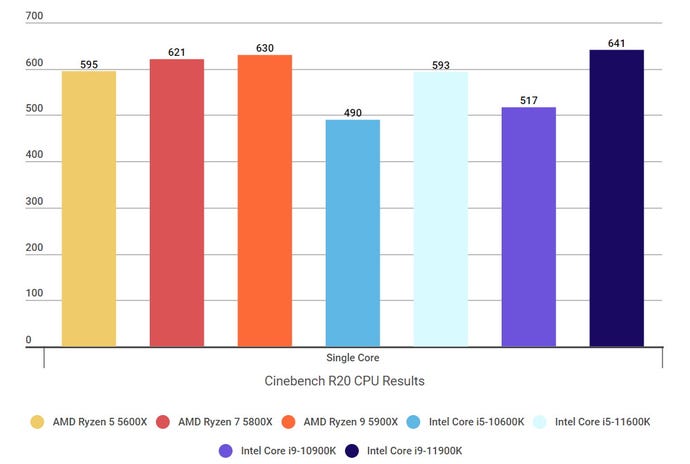
It’s not just two cores that the Core i9-11900K is missing, either. It also has a lower base clock speed of 3.5GHz compared to the 10900K’s starting speed of 3.7GHz, although both can still hit a top single core speed of 5.3GHz when Intel’s Thermal Velocity Boost tech kicks in. This feature is only available on Intel’s Core i9 family, and I did indeed see a top speed of 5.27GHz when I was running the Cinebench R20 benchmark. It is, however, very dependent on CPU temperatures, and thus you’ll need some pretty decent cooling inside your PC in order to make full use of it. As with the 10th Gen Core i9-10900K, though, it’s worth bearing in mind that top speed of 5.3GHz is reserved for single core tasks only, making it unlikely to provide much benefit when it comes to playing games. For multicore tasks, that top all-core Thermal Velocity Boost speed falls to just 4.8GHz.
Alder Lake, in case you’re unfamiliar with it, will finally see Intel make the leap to a proper 10nm manufacturing process (Rocket Lake is kind of a strange hybrid that uses a 10nm design that’s been backported to their existing 14nm process), and it’s likely that it will also introduce support for even more futureproofed features such as DDR5 RAM and the even faster PCIe 5.0 standard. It’s also expected, however, that Intel’s Alder Lake CPUs will require yet another new motherboard socket when it launches later this year (although this isn’t confirmed at time of writing), which means you probably won’t just be able to stick in a new CPU when you next decide to upgrade; you’ll need to buy a whole new motherboard again as well.
Given that most of us want our motherboards and CPUs to last a long time, the fact that Intel’s Core i9-11900K only matches rather than surpasses AMD’s Ryzen 9 5900X makes me more inclined to wait and see what Alder Lake has to offer later in the year rather than rushing to upgrade now - especially when all the other hardware shortages makes a proper next-gen upgrade nigh on impossible at the moment. As I said earlier, if it’s a pure gaming CPU you’re after, then you’ll be much better off going for the cheaper Core i5-11600K or Ryzen 5 5600X, as I just don’t think that the Core i9-11900K really adds that much to your typical gaming PC. If you use your PC for more than games, then the 11900K is certainly worth considering if a year of working from home has left you feeling in need of an immediate upgrade, but if you can hang on for another six to nine months, I’d strongly recommend doing so.
