HomeFeaturesOverwatch
How esports photographers are using in-game capture in place of live eventsFirst person shooter
First person shooter
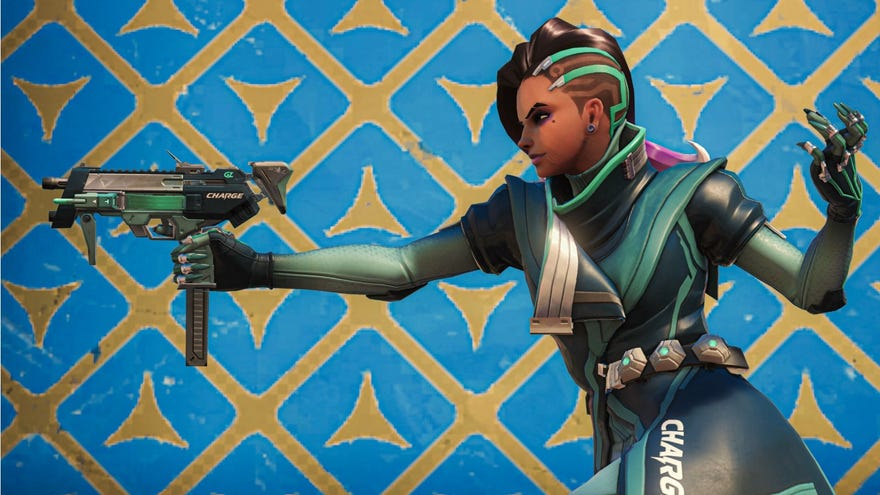
This year was supposed to be theOverwatchLeague’s big leap into local homesteads, and while no one was quite clear how well it would work, they certainly weren’t expecting a global pandemic to move the whole thing back online again. It hasn’t all been smooth sailing, but they’ve mostly managed to pull it off.
In certain spots, the challenge has actually pushed some fun and creative solutions, likeusing pets to establish hero poolsfor the following weeks, or, in freelance esports photographer Robert Paul’s case, switching from real life shots to in-game ones.
Paul has been a full time freelance photographer since 2016, and even moved across the US in 2018 to be closer to the centre of the esports industry, which tends to orbit around California. You’ll very often find his name credited inOverwatchLeague photography, but he’s shot everything from small local fighting game tournaments toCS:GO’s ESL One.
Of course, events of every size are on pause right now, leaving Paul with both time on his hands and a potential monetary squeeze. “After things really slowed down during the pandemic, it occurred to me that [the Overwatch League] has a replay client,” he says.
From the game client, anyone can rewatch matches as an observer, moving the camera around the maps to their heart’s content. It presented a unique opportunity for Paul: “If I can’t capture the matches in person, why not capture the matches in-game?”
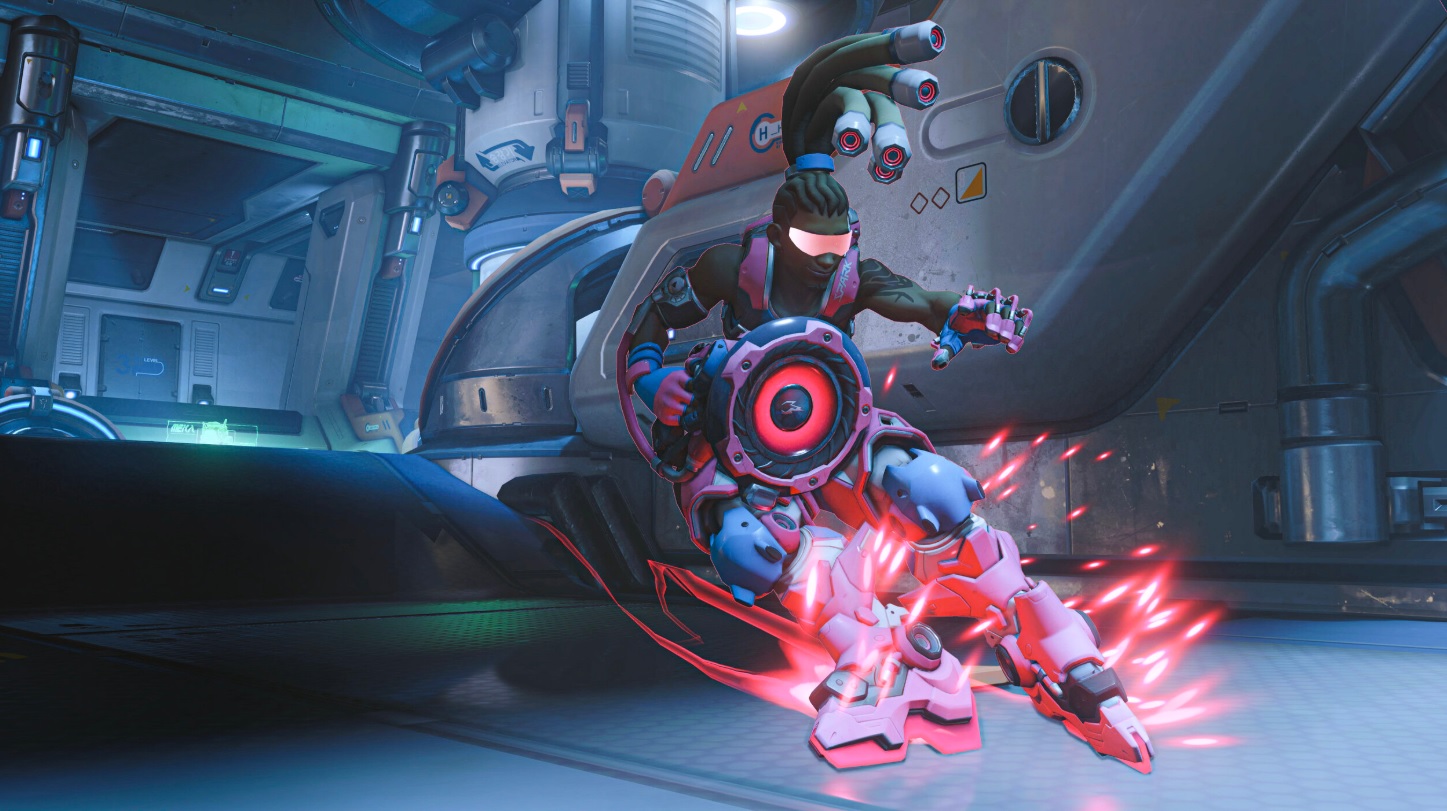
Virtual photography communities have been growing as more and more games include powerful photo modes, and other kinds of photographers have beenturning to in-game capturesduring the pandemic, too. Paul says that he’s been aware of it for a while, but had only tried his hand at in-game capture “super casually” prior to recent event cancellations. “Mainly just cool scenes I see while romping around inDestiny 2,” he explains. “For the most part if I was sitting down to play a game, it was to take a break from photo stuff,” he explains.
But once he started experimenting in Overwatch’s replay client, the images he produced captured fans' imaginations. “It turned out to be a huge hit on Twitter, getting more attention than even a lot of my [traditional] photos,” he says, noting that, given the latter is his usual bread and butter, he’s not sure how to feel about it. It’s a reasonable reaction, but if anything I’m surprised that showcasing the League in this way hadn’t taken off before Paul tried his hand at it.


“Overwatch has such iconic characters…people are fans of [them] and fans of the players and it makes for really intense interest in what I’m showing,” says Paul. But his skill and training over years of professional photography also help him to make the most of the raw materials that Overwatch and the Overwatch League provide him with.
“At its core, a lot of it is the same: moment, light, composition,” he says. In fact, the biggest difference between traditional photography and in-game capture is having more control over those elements. Unlike esports events, with their dim lighting and stark colours, Overwatch maps tend to be bright. And it’s not possible to miss a moment like you can in the relentless passing of live events.
“I’m given the freedom to pause, rewind, and examine the moments I want to capture from every angle, and really perfect the image down to the pixel,” says Paul. Which is great, but time consuming. “The downside of having that much flexibility is it can take a long time to really dial in a shot. It takes me a good chunk of my Sunday to get my captures for OWL done each week.”


“Warframelets you attach 3-light setup to your character, and lets you adjust nearly every aspect of the lighting and camera. It’s a better setup than I have on most photo shoots!” he adds.
With live events not likely to be on the calendar any time soon, Paul is planning to keep expanding his repertoire in in-game photography. “There’s a whole world of amazing photo-mode games that I need to dive into. The creativity I see from people using these tools is incredible.”
And he encourages people to get involved whether or not they’ve been practicing for years. “[Photo modes] give people with a creative vision a way to dive right in, without necessarily having to learn 3D rendering tools or set up complex photo shoots.”
