HomeFeatures
Have you read… Japanese crime fiction?Murder most florid
Murder most florid

Shimada’s style is to pack the preceding pages with specific details - times, dimensions, weights, etc - giving you a vast pile of facts to combine into technically-minded solutions. Motives are suggested, briefly, but the emphasis is on the how rather than the why. The meat of the book, then, is all the gathered characters debating how the murder was done, getting so carried away in their excited hypothesising that they tend to forget that one of their number is the horrible killer in question. It’s a quirk you overlook because you’re having so much fun trying to solve it alongside them.
Shimada is only one of many brilliant Japanese crime writers in translation today - a group that accounts for the majority of my reading for the last few years. As I’ve had so much fun discovering this stuff, I thought I’d offer a quick rundown of books I think you might enjoy, too. Especially with self-isolating on the rise, I thought now would be a good time to share this list.
Soji Shimada: aforementioned god of mystery, key advocate of the ‘Honkaku’ style - intensely logic driven conundrums that will either make you feel like a dumbass or a Holmesian super genius. Only two in translation:The Tokyo Zodiac MurdersandMurder in the Crooked House. The former is the story that made his name, but I prefer the nuts and bolts of the latter.
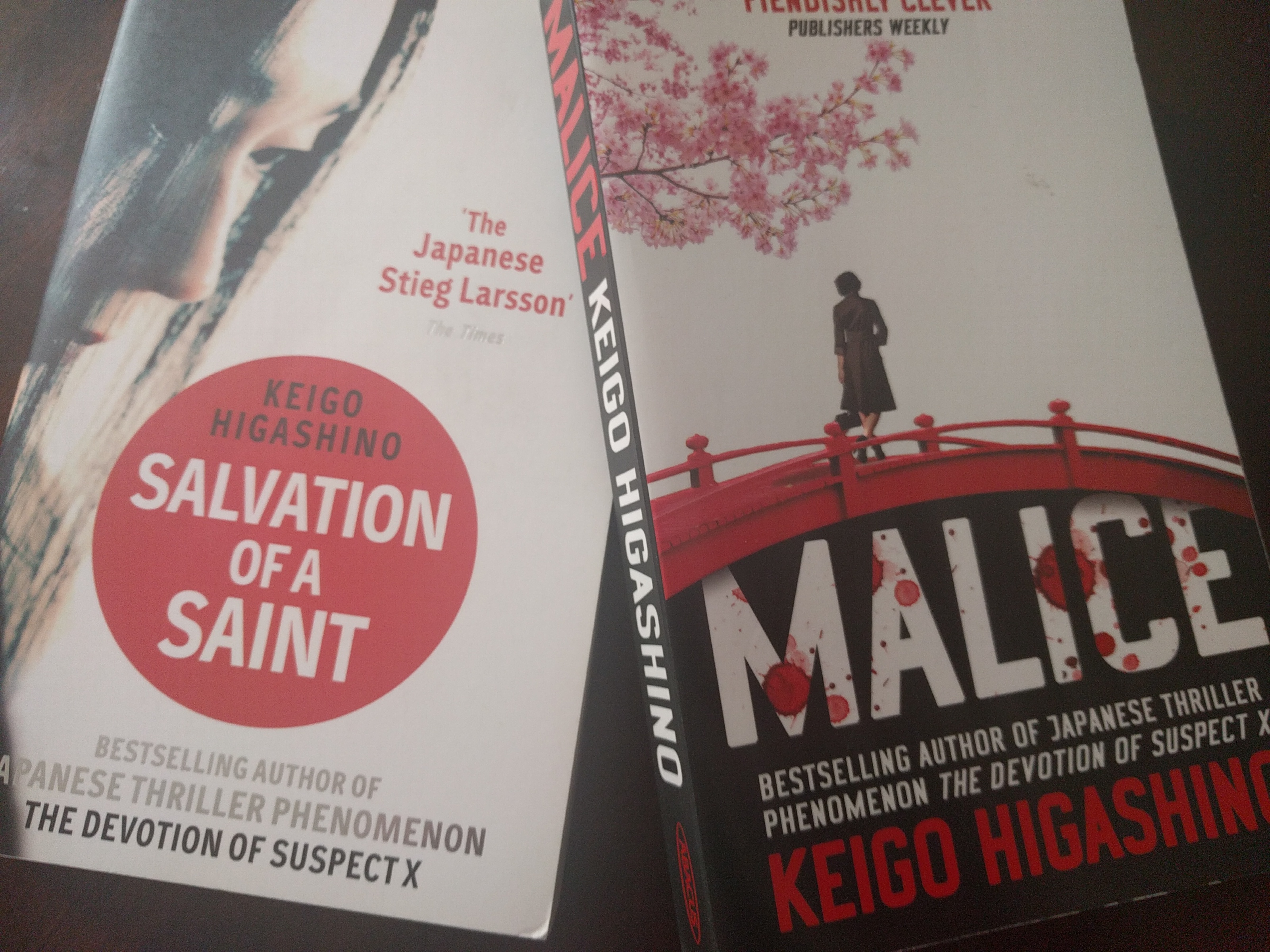
Keigo Higashino is my personal crime hero, taking similarly improbable crimes to Shimada, but marrying them to a more traditional thriller style.The Devotion of Suspect XandSalvation of a Saintare his best known - both part of the Detective Galileo series, which is basically ‘what if Jonathan Creek, but with a physics professor instead of a magician’. Higashino’s books inspired the creator of theDanganronpagames - you’ll definitely see the similarities. I also recommend his excellentMalice(you never knew a plagiarism case could be this exciting), andJourney Under The Midnight Sun, which is a sprawling epic that somehow combines murder, property development and pirated Nintendo games. Wonderful!
Hideo Yokohama’sSix Fouris one of those phenomenon blockbusters that gets brought over to the UK and called ‘the Japanese Stieg Larsson’, even though it is naff all like Stieg Larsson. This one is a kidnapping drama told through the harried eyes of the police press department. Packed full of lived in detail - Yokohama was a journalist for many years - it’s a fantastic mash-up of PR procedural and sinister conspiracies. His follow-up,Seventeen, isn’t crime-related, but was my favourite book of 2018: it’s about a local newspaper in the week following an airplane disaster. If you’re sick and tired of syrupy films about noble journalists nailing the epic scoop, this is a refreshing blast of dismal reality.

The brilliant Masako Togawa writes strange, swirling mysteries with strong female characters.The Lady Killeris a grim tale of philanderers, but it wasThe Master Keythat blew me away - a series of short intersecting stories set in a women-only apartment block, that plays out like Pulp Fiction meets Fargo meets The Golden Girls. Man alive, they should really let me write the cover blurb for these things.
For something more traditional - the more ‘social realist’ crime novel that Shimada is rallying against with his Honkaku style - try Seicho Matsumoto’sInspector Imanishi Investigates. A super chilled mooch around Tokyo’s nightclubs and bars with a haiku-spouting detective.
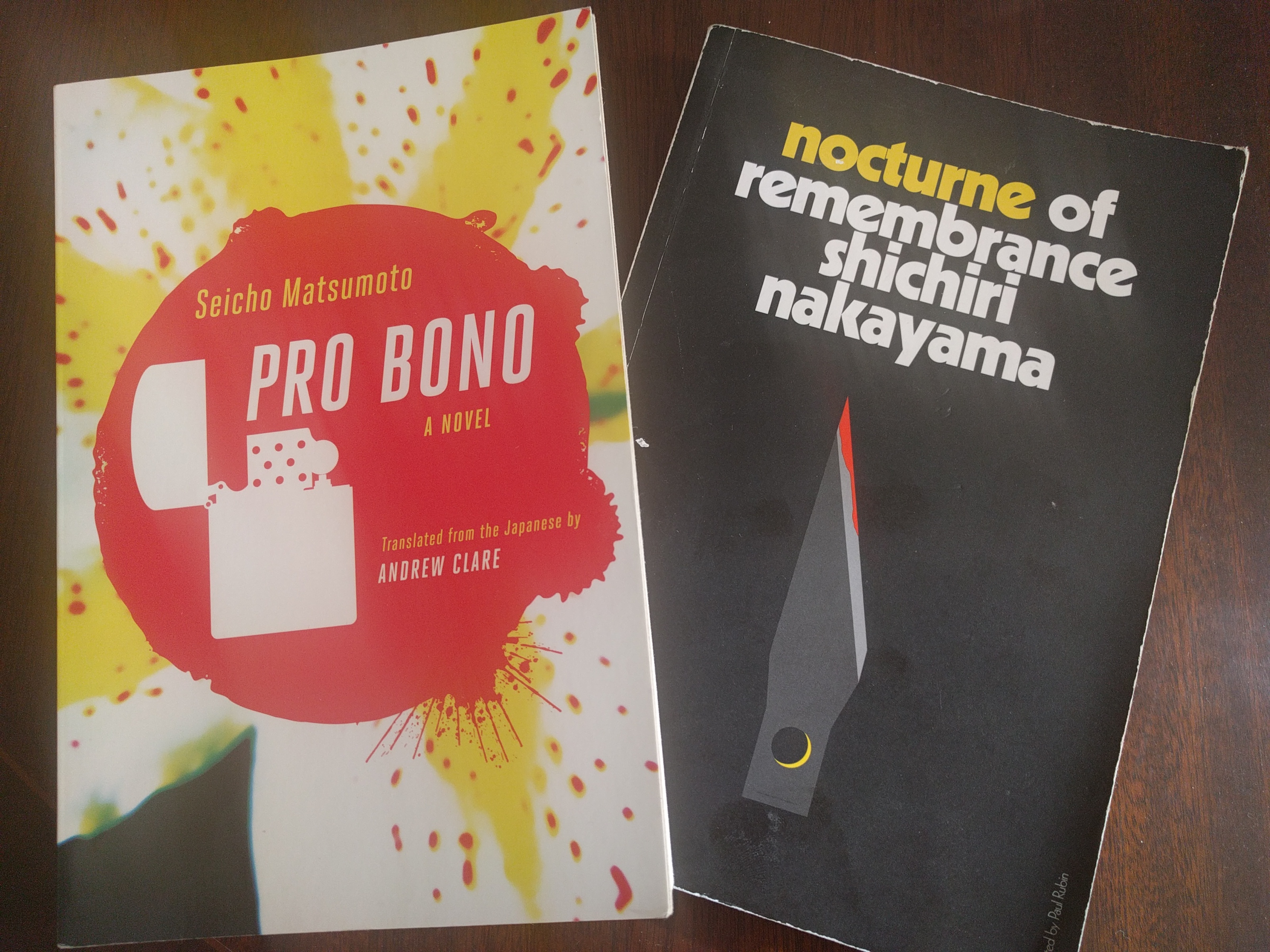
Fans ofAce Attorneylooking to sample the legal life should A) prepare themselves for fewer laughs, and B) read Seicho Matsumoto’sPro Bonoor Shichiri Nakayama’sNocturne of Remembrance. Both are about slightly unpleasant, compromised attorneys, but it’s quite funny how much disdain both authors appear to have for their protagonist’s professions.
There are several writers I’ve only found on ebooks (I read them on Kindle). Most of them are locked room crimes in the Shimada style (some of them have introductions from him, as he sprinkles his mystery god-dust on them). I had a great time withThe Moai Island Puzzle(Alice Arisugawa),The Decagon House Murders(Yukito Ayatsuji) and the short story collection,The Ginza Ghost(Keikichi Osaka).
More recently, I enjoyedA Cop’s Eyes, which is a meandering selection of short stories that slowly paint a picture of their ambling cop protagonist, and Riku Onda’sThe Aosawa Murders, which uses a similar episodic device - a series of accounts about a infamous poisoning - to build up to a horrible truth.
Last, but not least, a quick shout out to Natsuo Kirino’s thrillers. Not mysteries in the slightest, but I doubt you’ll find a more urgent page-turner thanOut- the tale of what happens when put upon lunchbox packers turn their hands to a more dubious line of work. I’ve given it about ten different people for Christmas/birthdays and yet to hear a complaint.
