HomeNews
Game devs announce plans to drop Unity, urge players to protest new per-install fees"Stop it. WTF?"
“Stop it. WTF?”
Several game developers have called on their players to protestUnity’s recently announced new pricing structure, under which developers who reach a certain threshold of revenue or game installations will be charged every time somebody installs their game. A few teams have also announced plans to dump Unity and move their projects to other game engines, such as Godot or Unreal.
Among those considering a trip to new pastures is Frogsong developer FrogteamGames. “While Frogsong is not currently close to this threshold, any future development in Unity has now become a financial risk for indie developers like ourselves,” the studiowrote on Xitter.
“Free downloads are charged, which makes giveaways, charity bundles, and platforms like GamePass too high of a financial risk for us to be able to pursue. These fees do not benefit developers in any way, and instead can actively harm them.”
There’s confusion still about how Unity’s new pricing policies (which don’t kick in till January 2024) will be applied - the full FAQ is overhere. The company havetold Stephen Totilo of Axiosthat “charity games/bundles [are] exempted from fees”, though how exactly Unity will distinguish between these and other games remains to be seen.
“We urge you to take a stand with indie games, and call for Unity to reverse these harmful changes.”
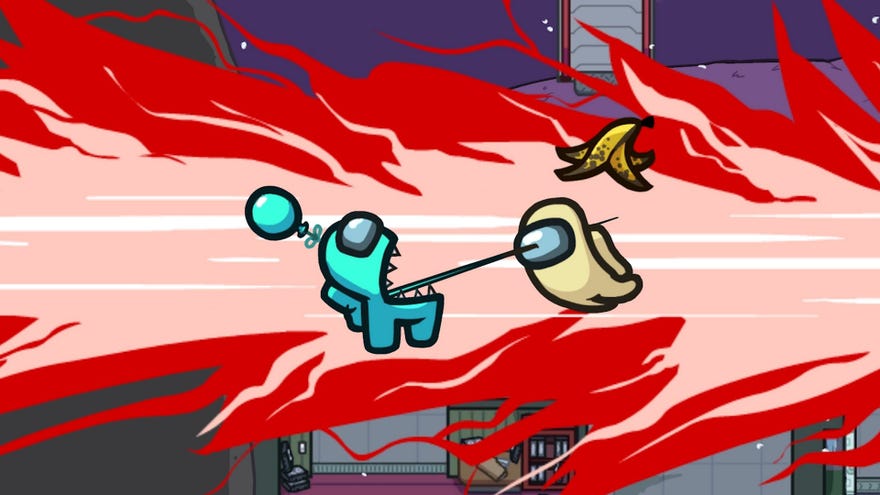
Among Usdeveloper Innersloth also say they’re looking into ditching Unity. “This would harm not only us, but fellow game studios of all budgets and sizes,” the developer wrote ina statement to players. “If this goes through, we’d delay content and features our players actually want to port our game elsewhere (as others are also considering). But many developers won’t have the time or means to do the same. Stop it. WTF?”
And then there’s AGGRO CRAB, creator of aquatic soulslikeAnother Crab’s Treasure. “We and a lot of other developers have a highly anticipated game coming to Xbox Game Pass in 2024,” theyposted following the Unity announcement. “Another Crab’s Treasure will be free to install for the 25 million Game Pass subscribers.
“This decision puts studios in a position where we might not be able to justify using Unity for our future titles. If these changes aren’t rolled back, we’ll be heavily considering abandoning our Unity expertise. We’re calling on Unity to reverse the latest shortsighted decisions that seem to prioritize shareholders over their product’s actual users.”
Orbo’s Odysseydeveloper Feverdream Softworks are among the more outspoken respondents. “If Unity goes through with this completely psychotic plan, I will be terminating all FDSW projects and migrating to a new engine,“they wrote. “This will create heavy delays for Nowhere, MI. They’re retiring unity plus and I refuse to pay $2,040 a year to remove their godawful splash screen.”
The splash screen stuff refers to paying to have Unity’s logo removed from opening screens, which willcost moreunder Unity’s new pricing structure.Corpus Edaxdeveloper Luis G. Bento has notes on the subject:
New Unity splash screen unlocked#madewithunitypic.twitter.com/yHfF0t5zlA— Luis G. Bento // CORPUS EDAX (@EpicMcDude)September 12, 2023
New Unity splash screen unlocked#madewithunitypic.twitter.com/yHfF0t5zlA
There are also rumblings from publishers that they might not want to publish Unity games down the line, if the new pricing structure takes effect. “Definitely include what engine you’re using in game pitches,” DevolverXeetedlast night. “It’s important information!”
To echo AGGRO CRAB above, the biggest question I have about Unity’s announcement is how, exactly, Unity will distinguish between legitimate installs and, say, pirated copies of games, or players maliciously reinstalling games several times to punish developers who’ve done things they dislike, aka “install bombing”.
The company have an obvious incentive to over-report the number, and are not willing to divulge how the system works. “We leverage our own proprietary data model, so you can appreciate that we won’t go into a lot of detail,” theywrote on Xitter. “But we believe it gives an accurate determination of the number of times the runtime is distributed for a given project.”
It’s a request for trust, then, and right now, many developers don’t have much to spare.
