HomeFeatures
Game composers and YouTubers are in a murky battle for copyright controlThe food of love and/or content strikes
The food of love and/or content strikes

Every time I sit down to write, the first thing I do isn’t open up a blank document, it’s find some nice video game music to listen to. And loads of it can be found free on YouTube. Ambient music fromSkyrim, relaxing compilations fromAnimal Crossing, lo-fi Legend of Zelda remixes Sometimes, work or study just can’t get done without my 10-hour loop ofChrono Trigger’s Corridors Of Time.
Pop music is entered into YouTube’s Content ID system and other videos that use it unofficially are automatically flagged. Video game music, on the other hand, occupies a grey area on the platform. If you’re a YouTuber, even a quick clip of pop music can be a straight trip to demonetisation, but use a random, unrelated, and unaccredited bit of a game’s score and you’re probably in the clear.
For fans of video game scores, the current system is great. For the composers of video game music, especially indie composers, the feeling is very different. After speaking with some well-known game composers, I learned how often they stumble onto their own music being used in videos without relation, permission, or proper credit. That’s not even accounting for the hundreds of unofficial uploads of their own music, even if they’ve uploaded their own official versions.
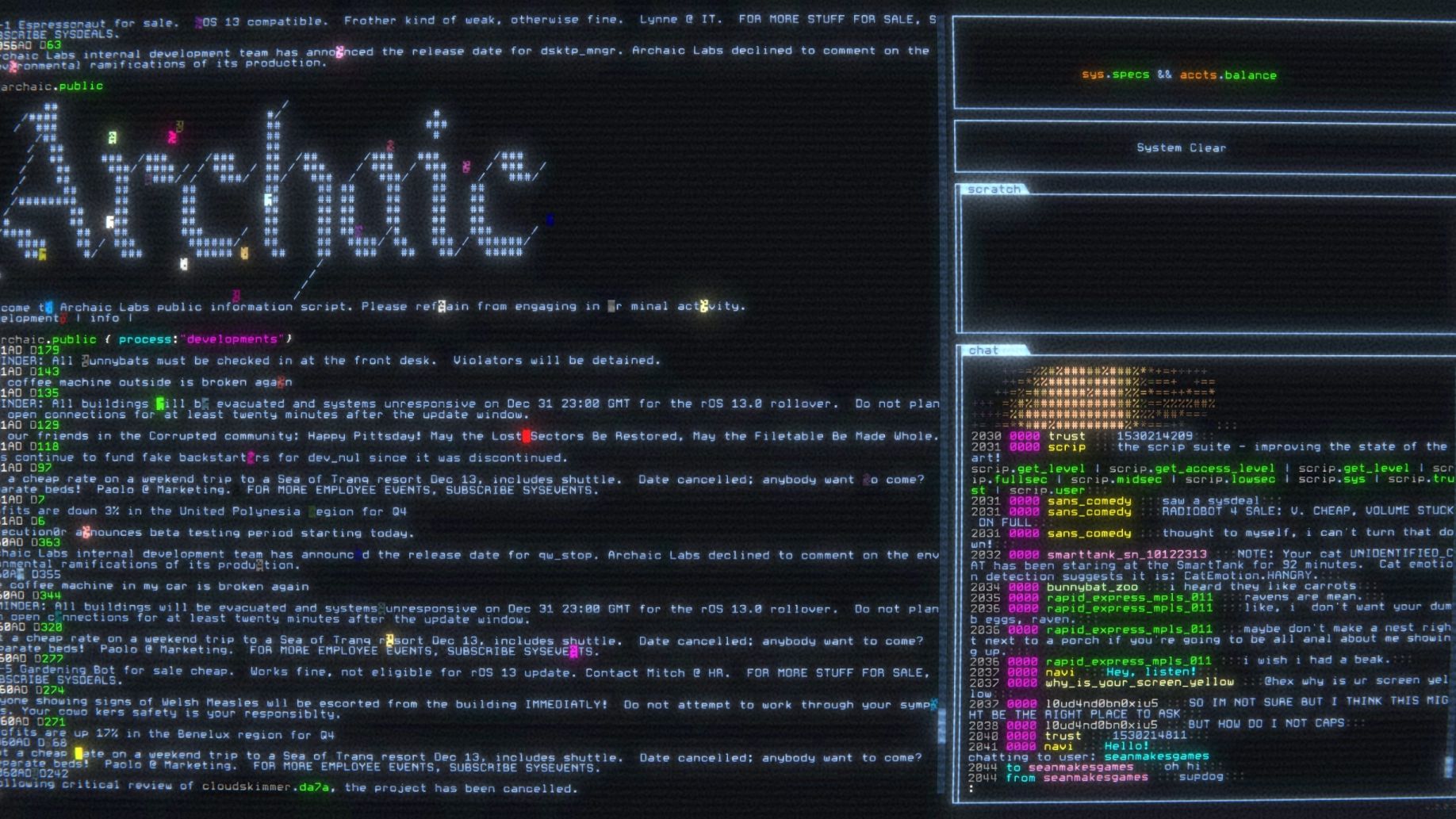
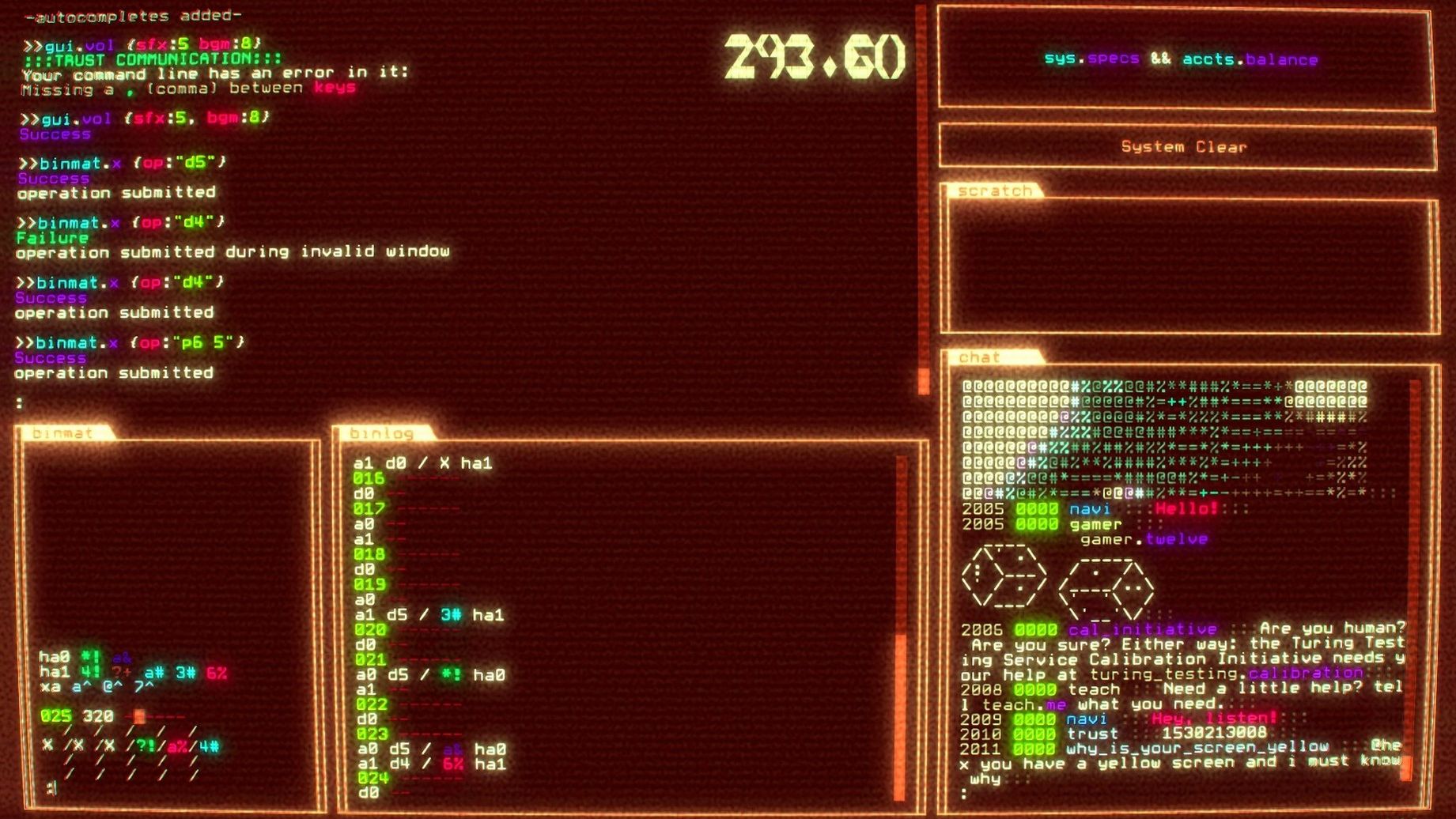
Hackmud"When I did the soundtrack toHackmud, we didn’t release the soundtrack until a couple of weeks after the game came out," said composer Lena Raine. “So someone went and took all of the raw soundtrack files and posted it themselves online.”
Hackmud
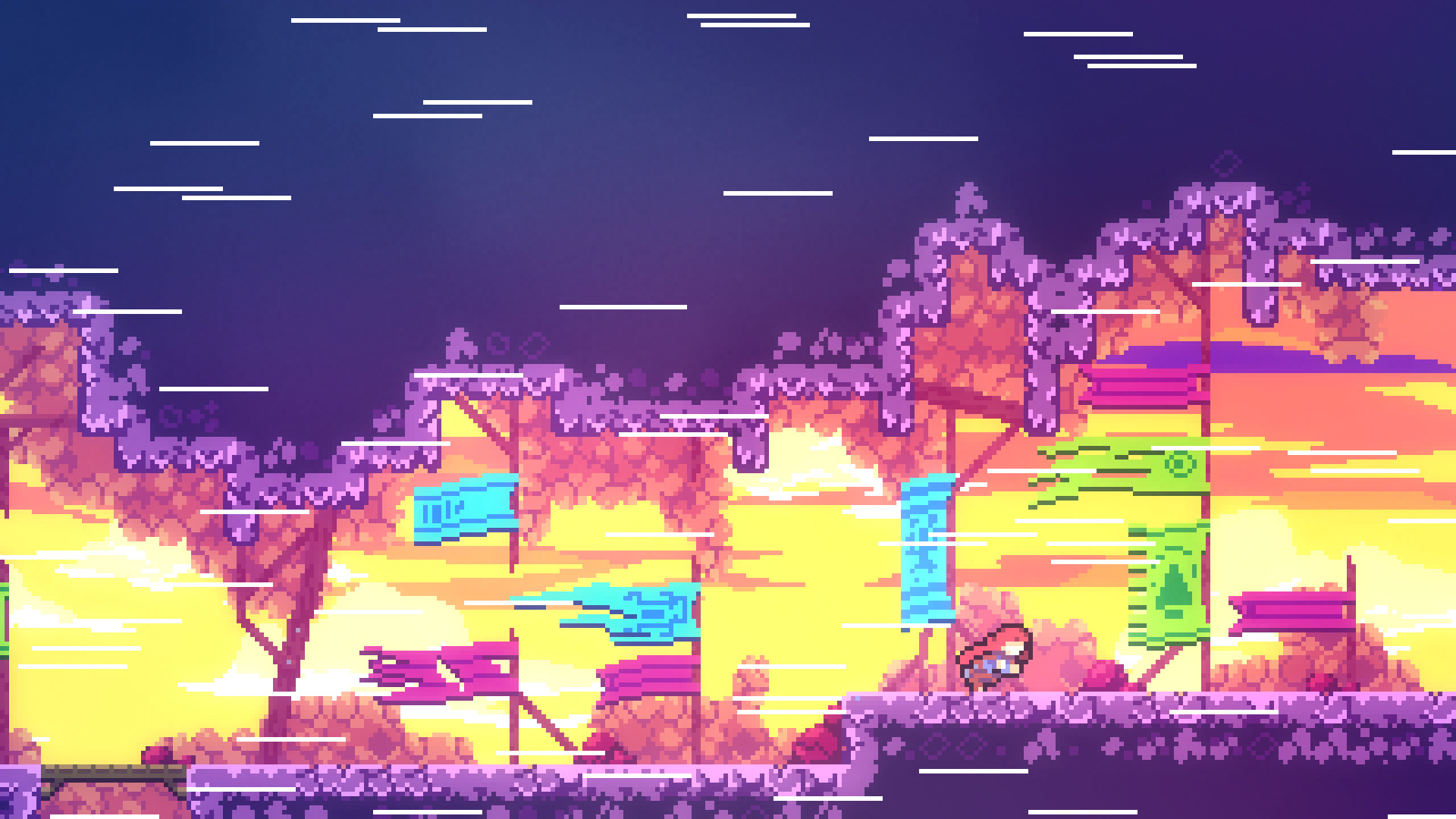
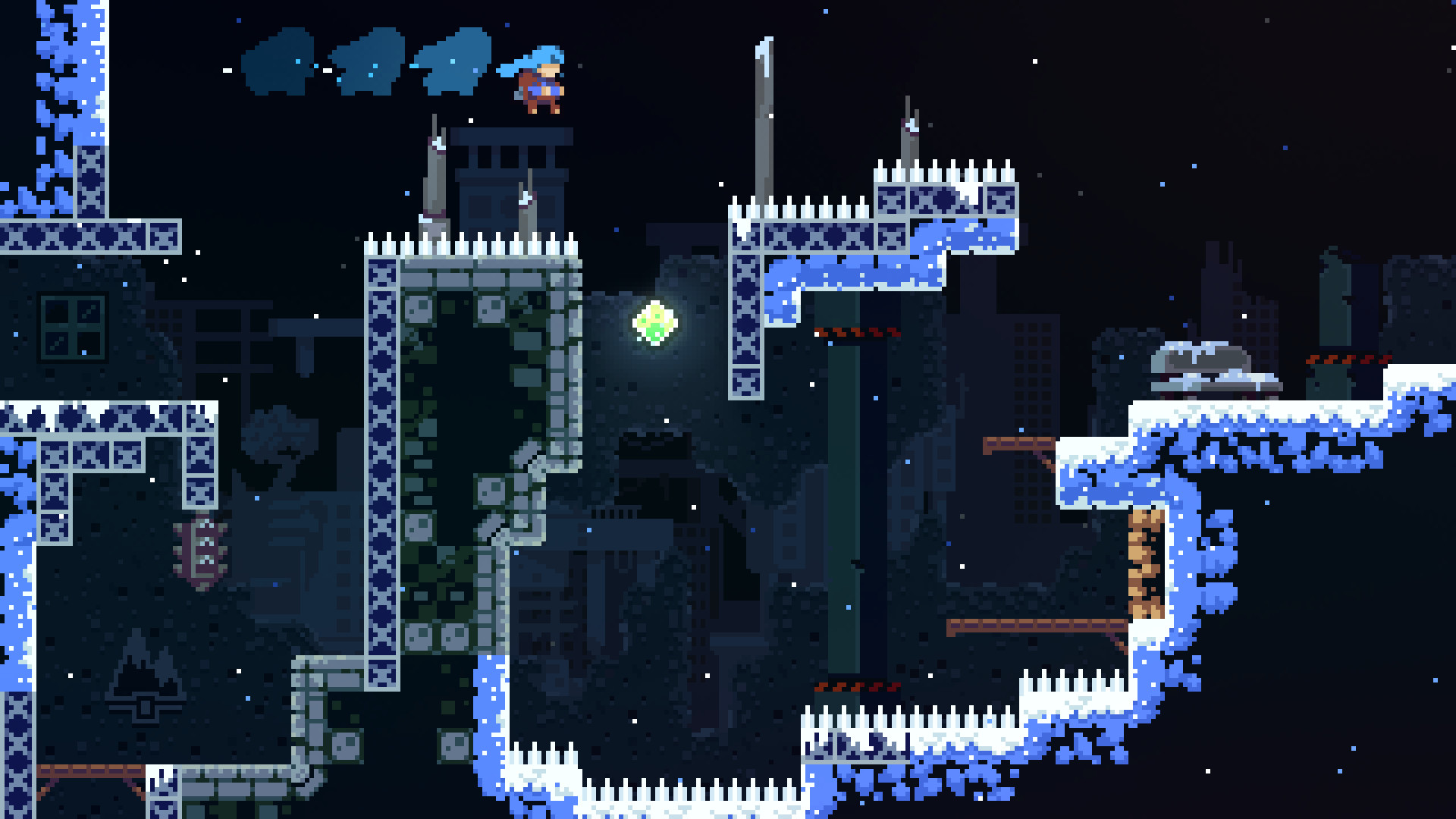
On the next game she worked on, the indie platformerCeleste, Raine didn’t take any chances. On the same day the game was released, she uploaded both the original soundtrack and the B-Sides soundtrack toher YouTube channel. But Celeste became a huge hit, and Raine had only uploaded single tracks. Before long, videos started to use songs from the game as background for their own videos, and some channels uploaded extended loops of songs or the entire game’s soundtrack, without Raine knowing about them.
It’s an unsurprisingly common story among composers. Ben Prunty, the composer behind the beloved indie gamesFTL: Faster Than Lightand turn-basedInto The Breach, told me over email that he knows there are thousands of videos on YouTube that use his music. Since the majority are let’s play videos or editorials about the games, he has no problem with them - but others with no relation to the games are a different story.
Watch on YouTubeThe biggest video Prunty recalled that used his music without asking permission wasa 2016 video essayfrom Game Maker’s Toolkit. The video was about game designer Jonathan Blow, but more than half of the runtime features music Prunty composed and self-published for the 2015 gameGravity Ghost, a game not mentioned or seen in the video. Though the tracks are properly labelled and attributed to Prunty, there’s no link to an official source and the composer himself wasn’t in the know.
Watch on YouTube

“Whether or not it’s legally okay for him to use my music like that is a thing I don’t have the time or energy to look into,” said Prunty.
I reached out to Game Maker’s Toolkit creator Mark Brown for comment, and he replied that he’s looking to use music more responsibly. “I guess ‘I do it because everyone else does it’ is an excuse that doesn’t hold much water,” said Brown. “It’s something I’m aiming to change going forward.”
So what’s the big deal, and why would composers be offended to see their music being used or uploaded? Most of the time, tracks being used on YouTube are used out of love, and indeed many appreciated the flattery. But on the rare occasion that Prunty does get requests to use his music, he always declines for one simple reason: his contracts don’t allow it.
Gravity Ghost

When I asked Chris Christodoulou, composer forRisk Of Rain, about the issue of copyright enforcement on YouTube, he said it feels like the bane of his existence. Because of how long YouTube has been around, and how much game music usage has already been normalised, many users just expect it to be okay and don’t bother asking, and those that do ask don’t always take kindly to being told no.
Celeste"For every person that has asked me for permission, it means that there’s about a hundred people that haven’t," said Christodoulou over a video call. “They’ve grown into this culture where you assume that you can do it. They assume that they can use my songs unless I am a particularly mean person.”
Celeste
“They weren’t just taking music and stealing it, and it wasn’t about money, it was about exposure,” said Christoudoulou. “I was just starting out, and my YouTube channel was a forum for me to get to interact with people. I wasn’t making money from the channel, but I was building a long-term community.”
“But if someone searches for theRisk of Rainsoundtrack and the first link leads to someone else’s YouTube channel, that’s it. They’re not going to click the second [official] link.”
Watch on YouTube
Watch on YouTube

Christodoulou contacts offending channels with a comment or message, letting them know that the music was already uploaded for free. Most happily comply and remove their uploads. Some, however, are less kind.
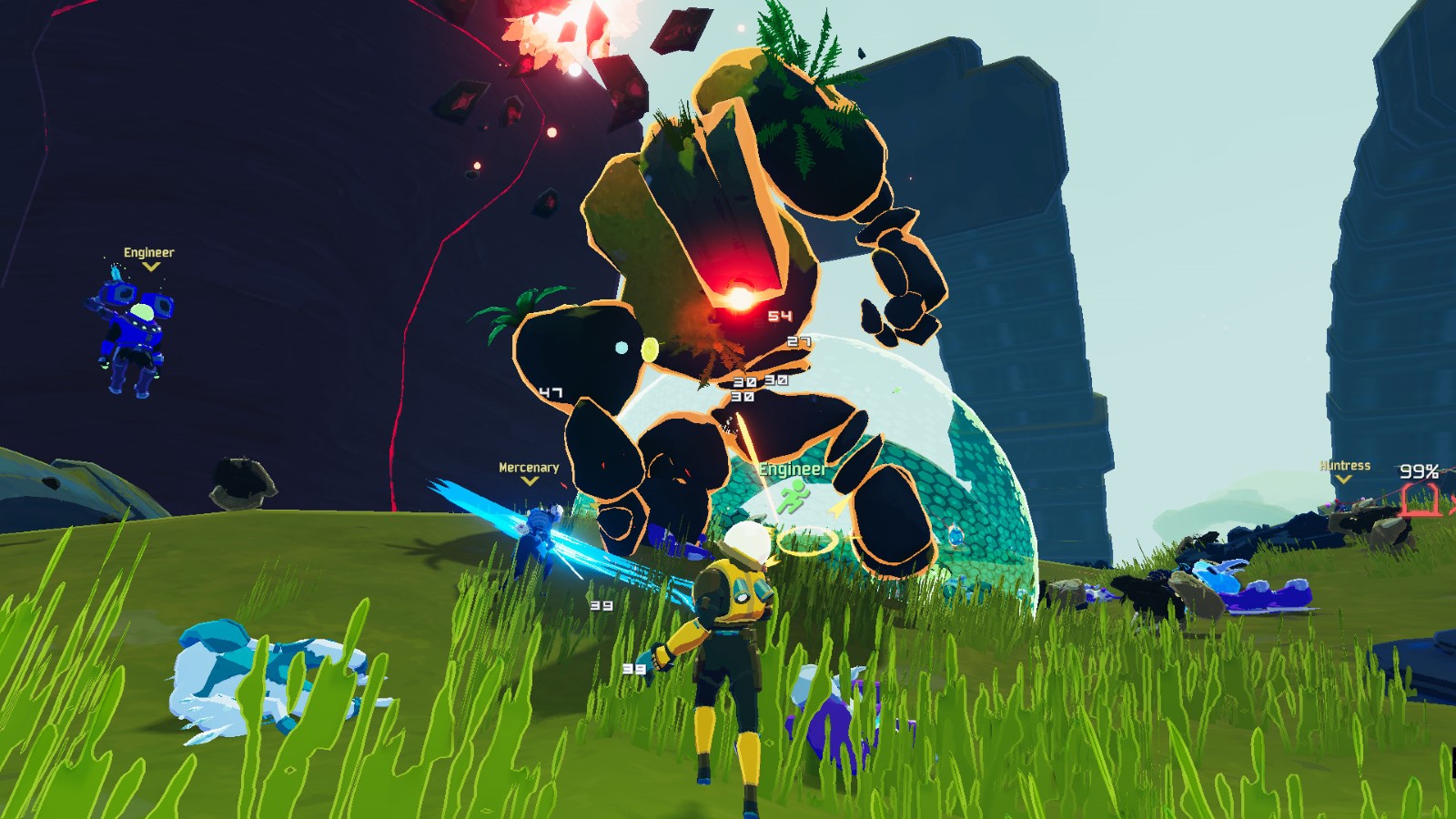
Recently, the composer reached out to a channel that uploaded music fromRisk Of Rain 2, which is currently in early access, unfinished music included. After being told that the video was removed, Christodoulou saw that it had in fact simply been unlisted instead, so he got it taken down.
“And then, of course, their channel got taken down and they started begging me to [undo] the claim,” said Christodoulou. “At that point it’s like, what do you want me to do?”
The worst situation he found himself in, however, was having to fight for his own copyrighted music. Christodoulou recalled getting notifications from angry fans that had uploaded Risk Of Rain gameplay videos on day, saying that they received copyright claims through YouTube’s Content ID system. This was news to him, as he had been getting stonewalled from getting music into YouTube’s automatic system and he never claimed gameplay videos. While trying to figure out what was going on, his own official song uploads were claimed.
Risk Of Rain 2"The music that was listed on the claim wasn’t my track title, but it was my song," said Christodoulou. “Someone had taken a sample of my music, put a small loop on it, and uploaded it through a publishing company that distributed it to YouTube’s Content ID system.”
Risk Of Rain 2
A lot of emails, legal threats, and plenty of worry later, Christodoulou heard back from the publishing company and the re-published music was taken down. Unfortunately, it wasn’t an isolated incident. Prunty also had his official FTL music struck down because someone had re-published it with an added drum loop layered on top.
That’s why today, there’s a large and concentrated effort for composers and developers to retain control of their music. Musicians are discussing their problems and solutions together, creating guilds, and signing with publishers. Materia Collective, a record label and music publisher specifically for video game music, has been working with many musicians to ensure that they’re getting published on all platforms, retaining their rights, and are educated about the different ways their music can be used.
FTL: Faster Than LightOn the side of fans, the more accessible the music, the merrier. When companies take down game music channels on YouTube that upload songs or soundtracks from games, it’s understandable, but extremely frustrating. Each time, the action is met with cries begging the companies to simply upload the music to the platform themselves, and before long duplicate videos resurface.
FTL: Faster Than Light

At the very least, music platforms like Spotify, andmore recently Steam, have seen a growing wave of video game soundtracks added and made accessible. At first it was a few notable companies and indie developers, but over time, a growing number of publishers have made both old and new soundtracks accessible. Last year, when Square Enix released the entireFinal Fantasysoundtrack collection and subsequently the Chrono Trigger and Chrono Cross soundtracks, it felt like a game music miracle.
But those that do upload officially on YouTube and participate in the process need to be recognised for doing so. Everyone I spoke with expressed their belief in free, shared music, and their love of appreciation and fandom on YouTube. What they’re pushing for is to be involved and respected for the fruits of their labour, not to be excluded from the community they’ve helped build.
“It’s a very tangible thing for someone to leave a comment on YouTube, say they love our music, and see me reply saying thank you and that it means a lot,” said Christodoulou. “Suddenly, that’s the world to them.”
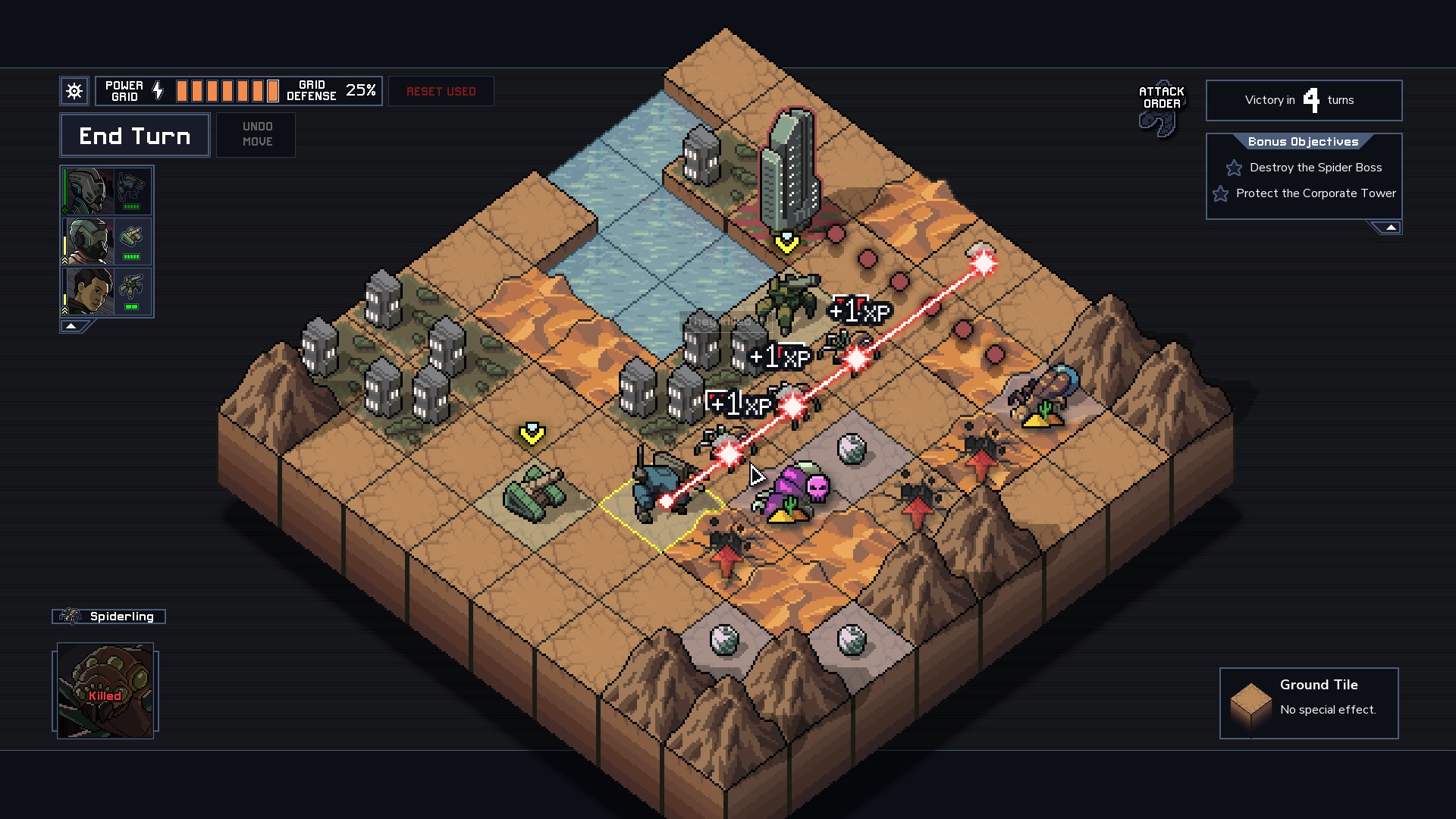
Into The BreachFor at least the foreseeable future, however, composers will continue to have an uphill battle when it comes to YouTube. Barring a monumental shift in the company’s policy, the difficulties of having music used or uploaded without permission will continue. Adding game music to the automatic Content ID system will create a nightmare of taken down let’s play videos, reviews, and even other official uploads that no one, not even the composers, want.
Into The Breach

At the end of the day, YouTube is bigger than the composers are. But where the company can’t change, the people can. Composers are learning to take care of and manage their music much more seriously, and they hope fans will support them. After all, proper recognition is what anyone who made creative content would want.
If you’re listening to some video game music, consider whether it’s an official link or channel, or if you can access one. If you’re uploading music or using it in your own content, ask permission first. We’ve built communities that celebrate composers’ work, they should rightly be a part of them.
