HomeReviewsFort Solis
Fort Solis review: a handsome haunted spacehouse with a deflating shortage of spectresBetter red than dread
Better red than dread
Image credit:Rock Paper Shotgun/Dear Villagers
Image credit:Rock Paper Shotgun/Dear Villagers
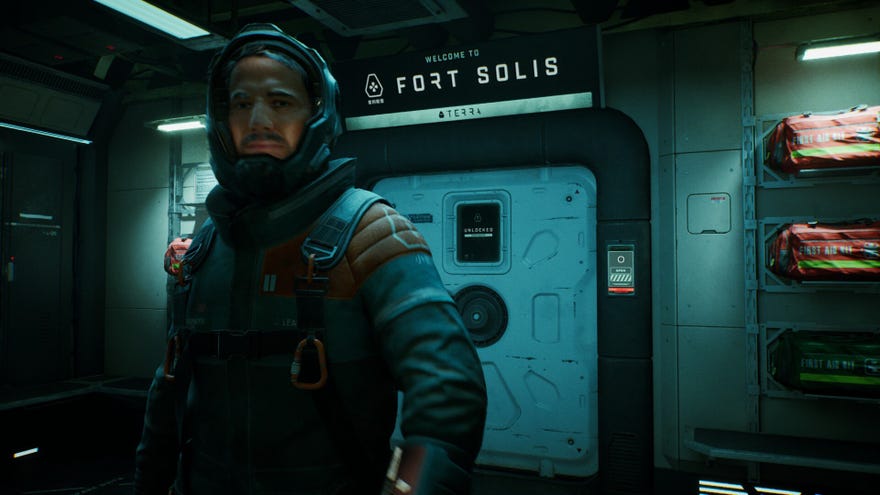
The 4-6 hour runtime consists of working out routes between sectors using your awkward wrist-mounted map screen, searching for door keycards which sort of fall into your path anyway, and nailing those QTEs, which tweak the direction of each cutscene and the enclosing plot, rather than leading to victory or game over. There are no combat systems, no unscripted threats, and few puzzles: the most complicated things get from a mechanics perspective is the fully functional Rubix Cube you discover in somebody’s office.
Image credit:Rock Paper Shotgun/Dear Villagers
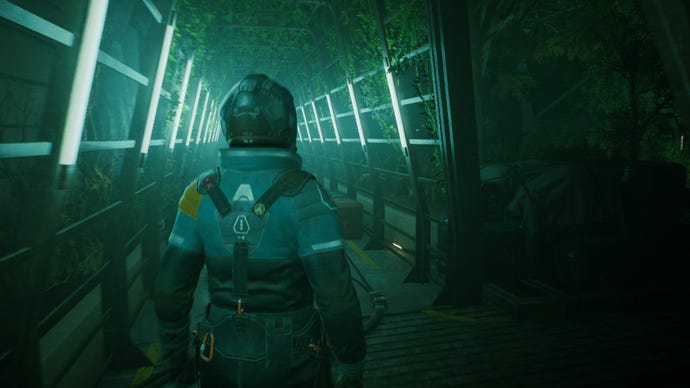
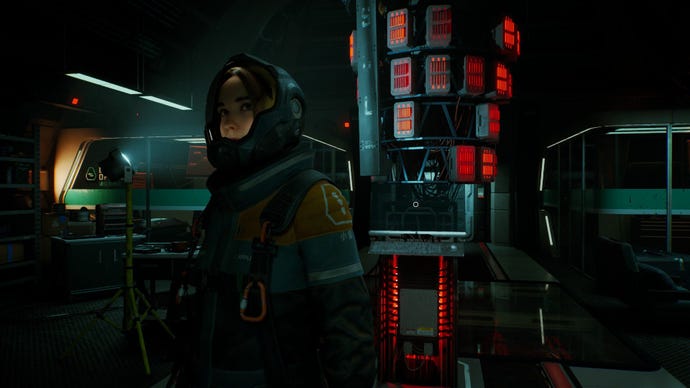
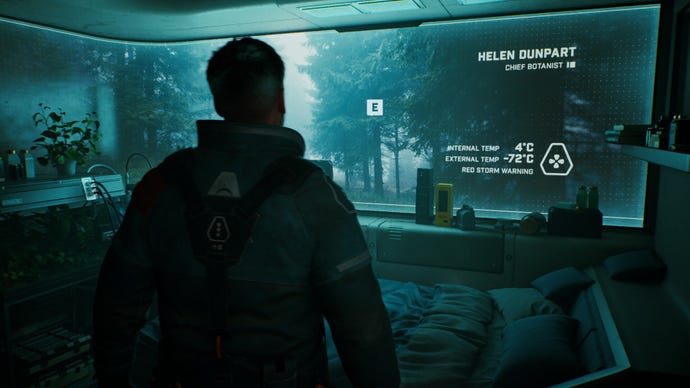
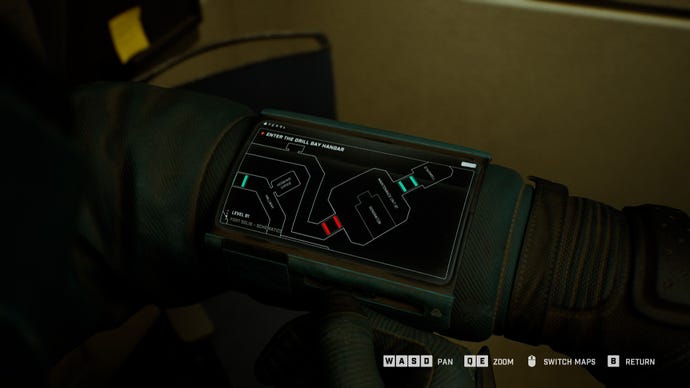
It’s a handsome, well-conceived setting, and at least initially, a spooky one. Among the game’s best tricks is that Fort Solis is in low-power mode when you arrive, which means ceiling lights don’t activate till you actually enter some rooms, so you’ll often have to walk into pitch darkness. The deathly slow handling - seriously, this game’s turning circles make OGResident Evilfeel likeDevil May Cry- both cultivates a sense of vulnerability and opens up time for savouring the details.
The other obvious highlights are the voice and motion performances, together with the general character art and animation. In Fort Solis, you play Jack and Jess, who pick up a distress signal from Fort Solis while fixing something else in the area. The game starts you off as Jack, but you switch to Jess after a couple of hours following a certain plot twist.
Image credit:Rock Paper Shotgun/Dear Villagers
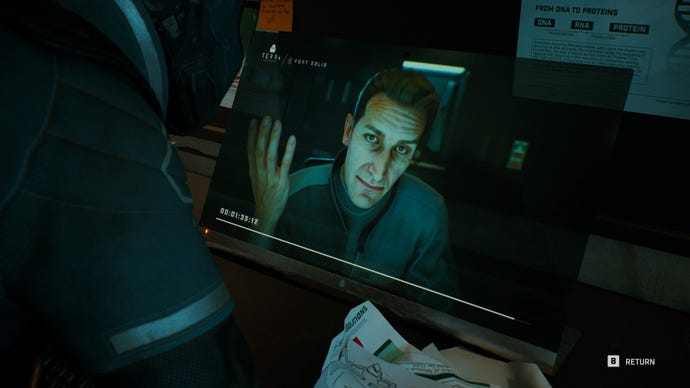
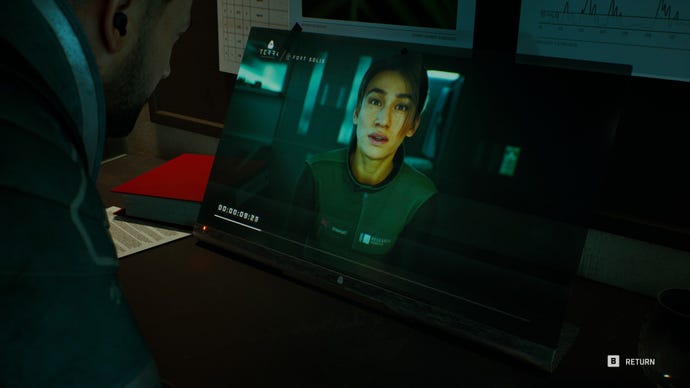
It’s just a shame that there isn’t much to be conspiratorial about. As is the way of abandoned space bases, Fort Solis harbours a “Dark Secret” or two. The first hour is fraught with possibility, even as you gradually crisp over in the face of Jack and Jess’s relentless bonhomie, but the major revelations prove dissatisfying. Without spoiling too much, this is a cautionary tale about whether a mounting wider disaster justifies the risks of scientific experimentation. But the game takes an almost clinical approach to its subject matter, refusing to explore its worrying themes in much depth, or spin them out into anything memorably grotesque.
It’s understated to a fault. I did find the ending I achieved (I haven’t had a chance to replay and try for alternative routes) provocative for how it revealed my actions to be futile - generally speaking, I like it when games decline to frame the player as the most important agent. It makes sense for the characterisation of Jack and Jess: they’re glorified janitors like Isaac Clarke, except without the “glorified” part. But I’m not sure Fort Solis is really designed to invite such interpretations. It just sort of throws its hands in the air beyond a certain threshold. I have zero insight on its development, but it feels like a production that ran out of time and resources.
Image credit:Rock Paper Shotgun/Dear Villagers
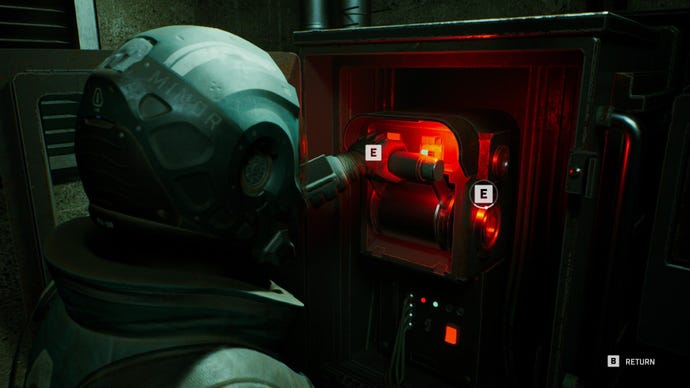
Speaking of running out of time, the QTEs aren’t very gripping. Many would dispute the possibility of a “good QTE”, but I’d mash-X-to-usher those people towardsUntil Dawnand yes, I’m going to say it,Heavy Rain. I think QTEs and similar prompted interactions can work well as expressive devices, provided they’re properly woven into the scene direction. Fort Solis approaches them in a dutiful fashion that echoes its unsurprising plot. It’s just pushing a couple of buttons on cue to make an action sequence play out or hack a terminal. There’s at least one major QTE that makes absolutely eff-all difference to the outcome: I know this because my review build crashed and I had to restart from an earlier save.
It’s in keeping with the slight aimlessness of Fort Solis as a whole that I can’t think of a way to conclude this review. I guess the more generous framing is that you’ll enjoy this game if you’re mega keen on elaborate, internally consistent hard sci-fi environments and nicely acted, if underwhelming backstory. You won’t enjoy it if you want challenge or intrigue or games that engage at length with the subjects they raise. Above all, don’t treat it like thehorror gameit was announced as - specifically,“Dead Space meets Duncan Jones' Moon”. Treat it more like a place than a series of tasks, and there’s much to savour.
