HomeNews
Fables creator places Wolf Among Us universe in public domain amid clash with DC over Telltale adaptationUpdate: DC Comics respond
Update: DC Comics respond
Inan extended account,Willingham discusses various conflicts that arose during his 20 years of working with DC Comics. Some of these were “smaller matters”, like neglecting to ask his opinion on artists for new stories, and late reporting or under-reporting of royalty payments to Willingham. But in recent years, the author feels that DC Comics have been trying “to strong arm the ownership of Fables from me”, describing how (in his view) legal negotiators have attempted to subtly recast Fables as DC’s own property during contract discussions for new comicbook issues to mark the setting’s 20th anniversary.
“More recently, during talks to try to work out our many differences, DC officers admitted that their interpretation of our publishing agreement, and the following media rights agreement, is that they could do whatever they wanted with the property,” he writes.
“They could change stories or characters in any way they wanted. They had no obligation whatsoever to protect the integrity and value of the IP, either from themselves, or from third parties (Telltale Games, for instance) who want to radically alter the characters, settings, history and premises of the story (I’ve seen the script they tried to hide from me for a couple of years). Nor did they owe me any money for licensing the Fables rights to third parties, since such a license wasn’t anticipated in our original publishing agreement.”
“I chose to give it away to everyone. If I couldn’t prevent Fables from falling into bad hands, at least this is a way I can arrange that it also falls into many good hands. Since I truly believe there are still more good people in the world than bad ones, I count it as a form of victory.”
The decision also reflects the “radical transformation” of Willingham’s stance on trademark and copyright law in the USA in recent years. “The current laws are a mishmash of unethical backroom deals to keep trademarks and copyrights in the hands of large corporations, who can largely afford to buy the outcomes they want,” he writes.
Willingham says he has given DC Comics “years to do the right thing”, including offering to renegotiate publishing contracts “from the ground up, putting everything in unambiguous language”, or failing that, “to simply tear up our contracts, and we each go our separate ways”, but has been ignored.
His contracts with DC remain in force, meaning he can’t publish Fables comics, authorise an adaptation such as a film, or license merchandise through anyone but DC Comics. “And they still have to pay me for the books they publish. And I’m not giving up on the other money they owe. One way or another, I intend to get my 50% of the money they’ve owed me for years for the Telltale Game and other things.”
“However, you, the new 100% owner of Fables never signed such agreements,” the post concludes. “For better or worse, DC and I are still locked together in this unhappy marriage, perhaps for all time. But you aren’t.
“If I understand the law correctly (and be advised that copyright law is a mess; purposely vague and murky, and no two lawyers - not even those specializing in copyright and trademark law - agree on anything), you have the rights to make your Fables movies, and cartoons, and publish your Fables books, and manufacture your Fables toys, and do anything you want with your property, because it’s your property.”
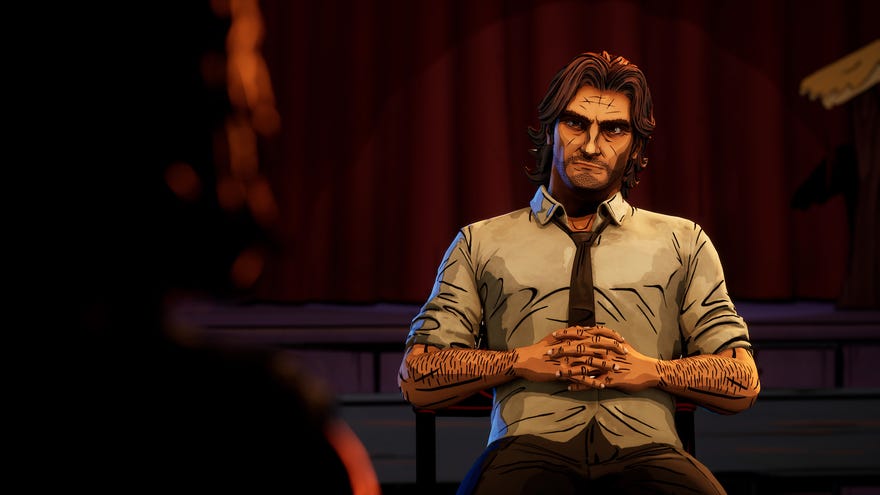
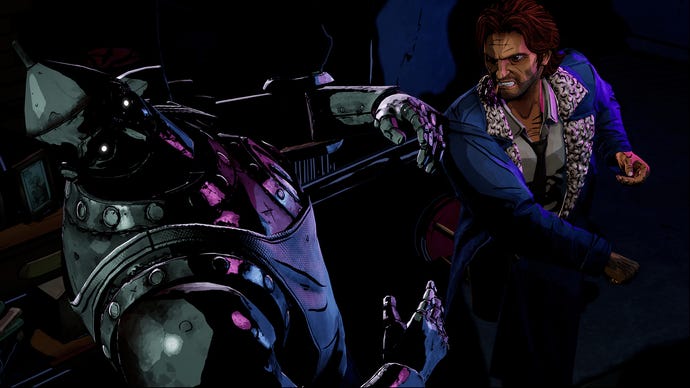
I have no idea what this means for Telltale, whose follow-up series The WolfAmong Us2has been delayed out of 2023 so that developers don’t have to crunch on the project.
Willingham isn’t the first to make such a move. Julian Gough, the author of Minecraft’s ending poem,placed his creation in the public domain in December 2022- the culmination of a long-held grievance against Mojang and Microsoft. Back in 2014, John Walker (RPS in peace) wrote a personal editorial for these hallowed pages about whyolder games should enter the public domain.
The author himself has this to add onTwitteX: “Several questions have poured in over Fables rights. No, this doesn’t include the right to reprint previously published Fables books and stories. And if you come out with your own Fables books, others couldn’t decide to reprint them. “Create your own” is the new order of things.”
