HomeNews
EA are making more of their accessibility tech free for other devs to use, including a personal game coachPlus a photosensitivity analysis tool, route navigation system used in Mirror’s Edge and an automated player that can take over for you
Plus a photosensitivity analysis tool, route navigation system used in Mirror’s Edge and an automated player that can take over for you
Image credit:EA
Image credit:EA
After offering up some of their accessibility inventions for free a couple of years ago -including the context-aware ping system seen in Apex Legendsandcode for a colourblindness tool- Electronic Arts are opening up even more of their accessibility features for anyone to use.
Apex Legends Is Fast, Fluid & One Of The Best Battle Royale Games | My Fav Thing In (Apex Gameplay)Watch on YouTube
Apex Legends Is Fast, Fluid & One Of The Best Battle Royale Games | My Fav Thing In (Apex Gameplay)

Included in the latest batch of tools released as part of EA’spromise to share accessibility tech with the industryare four patents and a tool for helping analyse photosensitivity risks with games.
EA themselves have used the tech in sports games including Madden and recent FIFA replacementEA Sports FC 24, with plans to use it more widely in the future.
Image credit:EA

In the case of Iris, any developer can go andgrab the code for the toolto start using it for free.
The first is an especially nifty concept for Automated Player Control Takeover, which automatically detects if a player stops controlling a game - for example, during moments where motor, cognitive or visual disabilities may be affecting them. When that happens, the tech aims to take temporary control of the game, mimicking the player’s movements and inputs within the game itself until the player can regain control.
That custom advice is taken a step further in the ambitious-sounding patent for an Animated and Personalized Coach for Video Games. Going beyond just tailoring tips, this is outlined as an animated coach of some kind who gives you feedback on your performance in the game, through both “in-game and out-of-game insights”. Having an animated character coach you on how to play could apparently help players to enjoy their chosen game more, finding it easier to change their play style in response to the custom feedback.
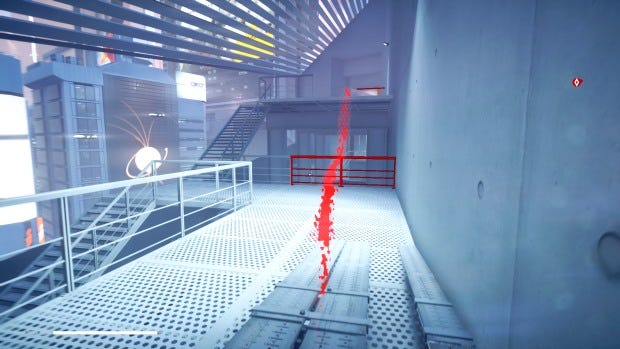
The last patent is something that is more than just an idea and has actually been used in a game, appearing inMirror’s Edge sequel Catalyst. The Route Navigation System works to create routes and navigation pointers through “large and complex game environments” - effectively sounding like a more advanced version of getting GPS directions in open-world games likeSaints RoworGTA. EA noted that displaying guidance such as navigation lines can aid with cognitive and visual accessibility when traversing in-game environments.
Again, these patents are there for devs to concoct their own solutions to, rather than being able to grab existing code for the features. Still, it’s lovely to see accessibility features becomingever-more widespread in games, and even major publishers not keeping their tech that can help more people enjoy games locked behind some kind of commercial protection. As developers come up with their own solutions based on these ideas, hopefully we’ll see those likewise shared around in an industry-wide effort to improve accessibility for all.
