HomeGuidesVampire: The Masquerade - Bloodhunt
Bloodhunt Blood Resonance types: Which Blood Resonance should you choose when feeding on mortals?Here are the different Blood Resonance types in Bloodhunt and what they do
Here are the different Blood Resonance types in Bloodhunt and what they do

Want to learn what the different Blood Resonance types in Bloodhunt do?It’s possibly the most complex and novel system in Sharkmob’s new vampiricBattle Royale, which just launched in Version 1.0 after a successful early access period late last year. But it’s important to understand, because the choice of mortals upon whom you feed will determine how your character grows in strength throughout a match.
Below we’ll walk you through the five different types of Blood Resonance inBloodhunt, the effects that each one bestows upon you, and which are the best types of blood for each vampire type. We’ll also explain how to increase the number of Blood Resonance points you can obtain over the course of a match.
On this page:
Bloodhunt - Narrative Launch TrailerWatch on YouTube
Bloodhunt - Narrative Launch Trailer

Bloodhunt Blood Resonance types
If you feed on a mortal with Resonant blood, you’ll gain a point in that Blood Resonance type (with the exception of red or Potent resonance, as we’ll explain below). Each type gives you a different type of benefit which lasts until the end of the match. Below you can see what each type actually does.
Here are the four different Blood Resonance types in Bloodhunt:
Each of the four classic Blood Resonance types (Phlegmatic, Melancholic, Sanguine, and Choleric) can be upgraded a maximum of 3 times to upgrade the effect, and it’s often a very good idea to focus on one or two particular types of blood at the beginning of a match. It’s an excellent idea to nab a Potent resonance given the opportunity, but bear in mind that you can only carry one extra life at a time, so there’s no point taking risks to go after another red resonance if you already have one in hand.
Note: each successive upgrade effect replaces the previous one, rather than adding to it. So tier 2 Choleric will give you a total of +25% melee damage, NOT +35% (10+25) melee damage.
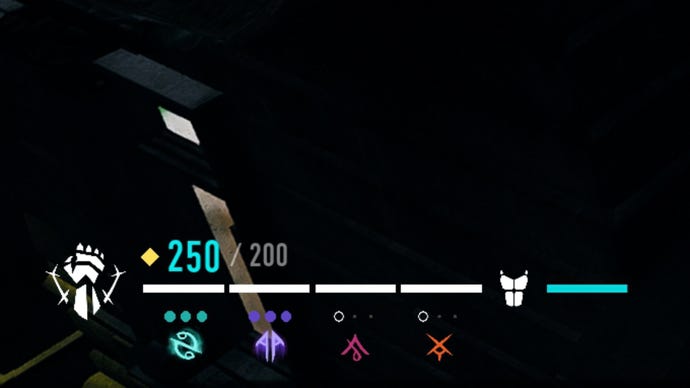
You can see your Blood Resonance points and slots remaining under your health bar. In this example, I have 3 points in Teal and 3 in Purple, and I’ve one point left over which I can assign to Pink or Orange.
How to get more Resonance slots
In the bottom-left corner of your screen, just under your health bar, you can see your different Blood Resonance points and slots available. To begin with, you can only gain a maximum of 3 Resonance points across any of the four classic blood types. So you can put all three points into one type, or split them up across multiple types.

What is the best Blood Resonance type?
There’s no particularbestBlood Resonance type to go for (aside from the incredibly useful one-off Potent Resonance), because it depends on your choice ofBloodhunt character. If you’re a Vandal, for example, you’ll have an edge in melee combat thanks to your damage reduction passive, so it makes sense to prioritise the Orange (Choleric) Resonance type. If you want to play a slightly more careful match, then Pink (Sanguine) is a great bet.
Here are the two Blood Resonance types I’d recommend for each archetype:
But I’d always recommend maxing out the first Resonance type before moving onto the next one, if possible. The tier 3 upgrade for each Resonance type is very strong so you’ll want to activate it as soon as possible in the match.
That’s all you need to know about the tricky concept of Blood Resonance types in Vampire: The Masquerade - Bloodhunt! You’re now a certified bloodsucker. Congratulations. But if you’ve been having some trouble staying alive in a city filled with enemy vampires, be sure to check out our list ofBloodhunt tips and tricksto gain an edge in combat and survival.
