HomeReviewsAstria Ascending
Astria Ascending review: peak tediumThe only thing rising is my blood temperature
The only thing rising is my blood temperature
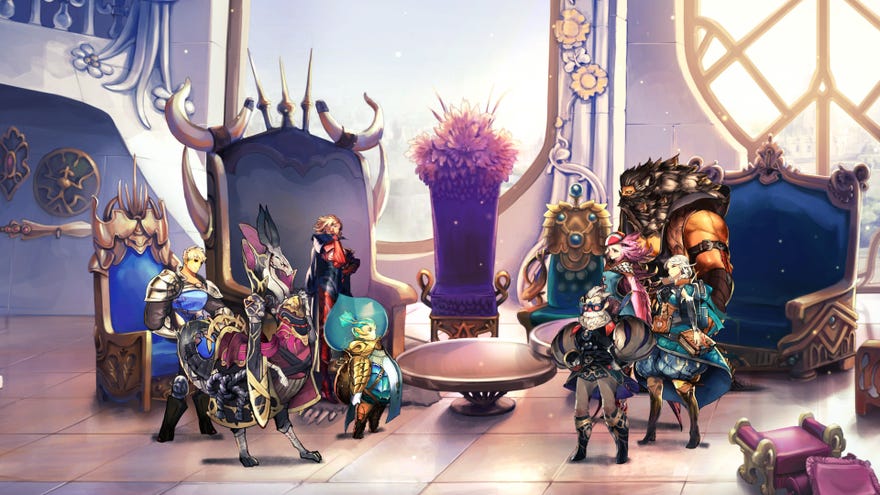
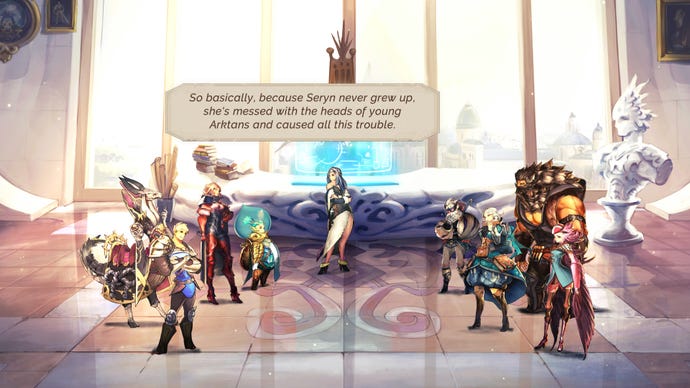
On the face of it,Astria Ascendingshould be right up my street. With its lush visuals, intriguing character designs and often engaging turn-based battle system, this handsome hand drawn adventure could have been a surprise dark horse to rival recent JRPG greats such asTales Of AriseandBravely Default II. Colombian RPGCris Tales managed it, so why not Astria Ascending?
French Canadian developers Artisan Studios have certainly tried hard to fulfill J part of this Japanese-inspired RPG, acquiring the talents ofFinal Fantasy XIIcomposer Hitoshi Sakimoto and Final Fantasy X writer Kazushige Nojima to bolster their small team, but even these big name veterans can’t salvage this game from the depths of its own tedium. Between its bewildering, colour-swap dungeons, cringeworthy voice acting and uneven focus on its large cast, Astria Ascending stumbles before it ever has the chance to soar.
Astria Ascending - Gameplay video: Basic combat TrailerWatch on YouTube
Astria Ascending - Gameplay video: Basic combat Trailer
What’s more, on the off chance you do find an exit you’re not meant to yet - you’ll be revisiting these identikit locations multiple times, after all - the way Astria Ascending stops you progressing is so tonally dissonant that I was tempted to chew the thumbsticks off my controller in a white hot rage (I would have opted to smash my face into my keyboard, but mouse and keyboard support wasn’t available in my review build). Most JRPGs have a bit of level-gating here and there, but usually have the decency to make it at a bit believable. You know, a nice fallen tree or hot wall of fire. With Astria Ascending, the only thing standing in your way is a lone NPC telling you, “This area’s too dangerous right now, I can’t let you pass.”
You can spend turns ‘focusing’ to help increase your attack power, but a more fruitful method is to exploit enemy weaknesses.

It’s a move they’ve pulled straight out of Super Neptunia RPG, but while Neptunia’s youth and inexperience might have held the fantasy together back then, here you’re a party of eight-strong legendary warriors, chosen heroes lauded for their prowess in battle and supernatural abilities. Heck, you’re all called demi-gods, for crying out loud. I think they can take a bit of danger.
Then again, having spent several hours in the company of these so-called heroes, I am beginning to understand why the local populus keep tutting and wagging their fingers at them. They are extremely incompetent. For much of the game’s first half, foes constantly slip through their fingers, even after hard-won boss fights. In one particularly excruciating sequence early on, for example, you spend the better part of an hour hunting down one of the game’s infuriatingly dimwitted Migmie creatures after it captures one of your own in a magic jar. You’d think a party of eight would be able to snare a flying rat monkey with relative ease, but no. Every time you fight this thing, everyone remains rooted to the ground shaking their fist, cursing at how they’ve let it escape once again. This cycle of near-misses quickly becomes deflating for the player, and it’s not long before you start to see this ineptitude for what it is: padding for an already baggy and preposterous story about a bunch of dissidents embracing the tyranny of chaos because, wait for it, they’ve stopped eating the world’s magical harmony fruit.
Wow, dad, what a zinger.

Thankfully, they do at least park their racial differences at the door when it comes to combat, and Astria’s turn-based battles do a decent job of livening up its turgid story segments. Rhythmically, fights have a lot in common withFinal Fantasy X. While your main party consists of four fighters, you can swap characters in and out at will, and even make mass substitutions in a single turn. You lose a turn doing so, meaning Astria’s fights aren’t quite as nimble and light on its feet as Final Fantasy X, but it does give you the full spread of character abilities to play with as you please. Said abilities are also tied to SphereGrid-esque job boards, letting you spend points to boost your stats, learn new abilities and passive support powers in whatever order you like as you work your way round different types of star constellations.
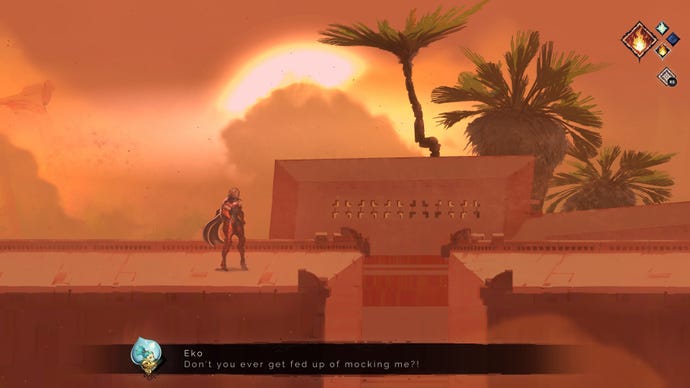
Even in game’s incidental dialogue, Eko’s youth and watery origins are a constant running ‘joke’. It’s very tiresome.
And yet, there are still aspects of Astria Ascending’s battle system that could do with just a bit more polish. The MP cost of spells and abilities seems wildly out of whack with the number of magic points you have, for example - a problem that could be remedied, perhaps, if your MP bar automatically regenerated outside of battle, just like your health bar does. Money suffers from the opposite problem: monsters constantly drop vast quantities of the stuff. Sure, you’ve got a party of eight to constantly outfit and equip with new weapons, but it’s rare to come across an RPG that lets you upgrade everyone quite comfortably in a single shopping trip and still have change. You get a chance to trigger a pre-emptive strike on enemies before a fight, too, but there’s no audio or visual feedback to tell you you’ve done it successfully. All right, there is a slightly higher pitched ‘shing’ sound, but the hit itself always feels feeble and empty. Sometimes it will trigger when you’re seemingly standing miles away from it; others you can whack it right up close and you get nothing.
There are lines like this throughout Astria Ascending, and my face hits my palm every damn time.